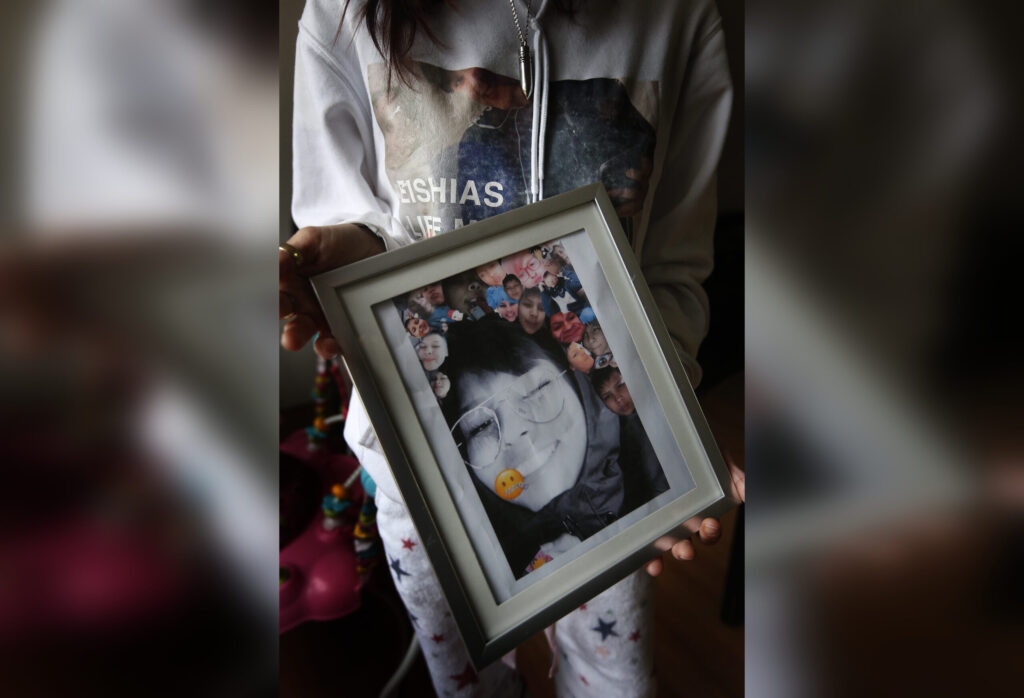
A policing expert, Peter Rampat, recommended on Friday that the Winnipeg Police Service consider age and cultural background when responding to high-risk situations. Rampat, a former Toronto officer and instructor at the Ontario Police College, provided testimony during the ongoing fatality inquest into the police shooting death of a 16-year-old First Nations girl, Eishia Hudson.
During his testimony, Rampat outlined that the Winnipeg Police Service's use-of-force policy fails to incorporate recently developed de-escalation tactics and scenario-based training. He emphasized that it does not adequately account for an individual’s age, ethnicity, or ability to pose a threat. Hudson was shot in April 2020 after police responded to reports of a liquor store robbery, during which she led officers on a pursuit in a stolen Jeep.
The inquest has revealed that during the chase, the vehicle collided with a police cruiser and other cars. Constable Kyle Pradinuk testified that he fired at Hudson's vehicle, believing it posed an imminent threat to fellow officers. However, Rampat criticized Pradinuk's actions. He stated that the harm caused to Hudson surpassed the potential risk that the officer was trying to mitigate, suggesting that Pradinuk's use of force did not align with proper training protocols.
Highlighting the importance of de-escalation, Rampat stated, “You can’t just look at a subject’s behaviour and say, ‘I can automatically go to a force option.’” He underscored the need for police officers to consider alternative options and assess the situation comprehensively before resorting to force. Rampat proposed that the police service enhance its training programs to include techniques like tactical breathing and mindfulness, aimed at improving decision-making under pressure.
Throughout the inquest, issues of race and age have been prominent, particularly given that police initially identified the robbery suspects as Indigenous individuals between the ages of 15 and 18. Rampat argued that both age and race should have influenced officers' decisions regarding the use of force. He noted that younger individuals are biologically more prone to panic and may react impulsively, necessitating a more cautious approach.
The inquest is exploring the question of whether systemic racism played a role in Hudson's shooting, alongside the appropriateness of the officer's actions. While Rampat refrained from definitively attributing systemic racism to the case, his conclusions conflicted with previous testimony from another expert, Chris Butler. Butler asserted that Pradinuk's actions were consistent with police standards and that the Independent Investigation Unit of Manitoba found no grounds for criminal charges based on this viewpoint.
Moreover, Rampat contested Butler’s assessment, stating that it overlooked video evidence that appeared to show the Jeep backing away from officers. Butler expressed reluctance to rely on such footage, citing concerns over its authenticity. During cross-examination, Winnipeg police lawyer Kimberly Carswell confronted Rampat regarding what she characterized as his exclusion of significant witness testimonies in his report. She questioned the validity of his analysis without considering multiple witness accounts that supported the perception of an immediate threat.
Rampat conceded that it was an oversight on his part to omit certain testimonies. Hudson’s death has galvanized protests and calls for a public inquiry into police-related fatalities among Indigenous Peoples, highlighting broader societal issues. The inquest's purpose is to uncover insights and recommend measures to avoid similar incidents in the future, without assigning blame to individuals involved.