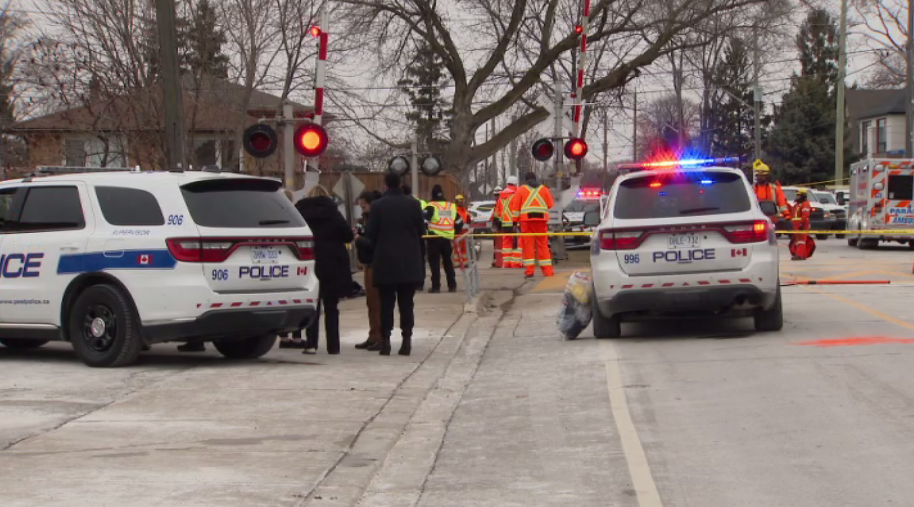
A recent report has uncovered that charges were dismissed or evidence was excluded in Ontario courts hundreds of times over the last decade due to violations of the Charter of Rights and Freedoms by police officers in urban areas. This study analyzed over 600 cases and revealed that individuals accused of crimes are often "walking free" as a result of these constitutional breaches occurring primarily in Toronto, Ottawa, and the Peel, York, and Durham regions.
Co-author Sunil Gurmukh, an adjunct law professor at Western University, stated that while police face challenging circumstances, legal protocols must be adhered to in order to effectively apprehend offenders. He underscored that many violations were either deliberate, negligent, or indicative of systemic issues flagged by courts, emphasizing the need for accountability in law enforcement.
The research examined 627 Ontario court rulings between January 1, 2015, and May 31, 2025, during which police were found to have violated Charter rights more than 1,000 times. In approximately 70 percent of these instances, crucial evidence was excluded, proceedings were stayed, or sentences were reduced. Such occurrences are seen as detrimental to public trust and can significantly harm victims seeking justice.
Gurmukh highlighted that the report did not encompass cases where suspects were not charged or charges were withdrawn by the Crown. He called for increased action from police forces, oversight agencies, and governmental levels in addressing these rights violations. To rebuild public trust and ensure safety, he advocated for enhanced monitoring, accountability, transparency, and independent oversight of police practices.
As an initial step, Gurmukh proposed that prosecutors notify police chiefs of Charter violations so that internal investigations can be initiated. He further recommended that police services and boards monitor these violations, publish annual reports, and publicly review existing policies and training aimed at addressing systemic issues highlighted in the study.
Additionally, Gurmukh suggested that the provincial inspector general of policing conduct a broader examination, considering the significant implications of officers' conduct in individual cases. He noted that violations of the Charter have led to the exclusion of critical evidence in trials, including firearms, drugs, child pornography evidence, and breathalyzer test results.
The report identified that the most frequent rights violations involved unlawful searches and seizures, as well as delays in allowing suspects access to legal counsel. Gurmukh emphasized that such violations are preventable, reiterating that the Charter exists to protect everyone's rights, including the necessity for police to establish reasonable grounds before conducting searches.
A qualitative analysis focused on cases involving the Toronto Police Service and Peel Regional Police indicated systemic issues such as racial profiling, failing to inform arrested individuals of their legal rights promptly, and not allowing them to choose their legal representation. Furthermore, the courts have criticized the Toronto Police Service for not bringing detainees to bail court within 24 hours of their arrest, a problem that has persisted for over two decades and termed a "culture of complacency" by the judiciary.
Gurmukh reported 11 cases where officers from Toronto and Peel Region provided false testimony, with courts excluding evidence or granting stays in 10 of these cases. Additionally, 15 cases were identified where unlawful investigations into alleged child sexual exploitation were conducted, resulting in the exclusion of credible evidence in 11 instances due to Charter violations.
As a notable example from 2022, an Ontario Superior Court of Justice case resulted in the exclusion of evidence related to child sexual exploitation after Peel police exceeded the limits of a search warrant by staging a fake delivery and unlawfully searching parts of a residence. Gurmukh asserted that such police overreach and disregard for the Charter have compromised the integrity of legal prosecutions, thereby endangering the safety of vulnerable populations, particularly children.
As of the report's release, neither the Toronto nor Peel police had provided any comments regarding these findings.