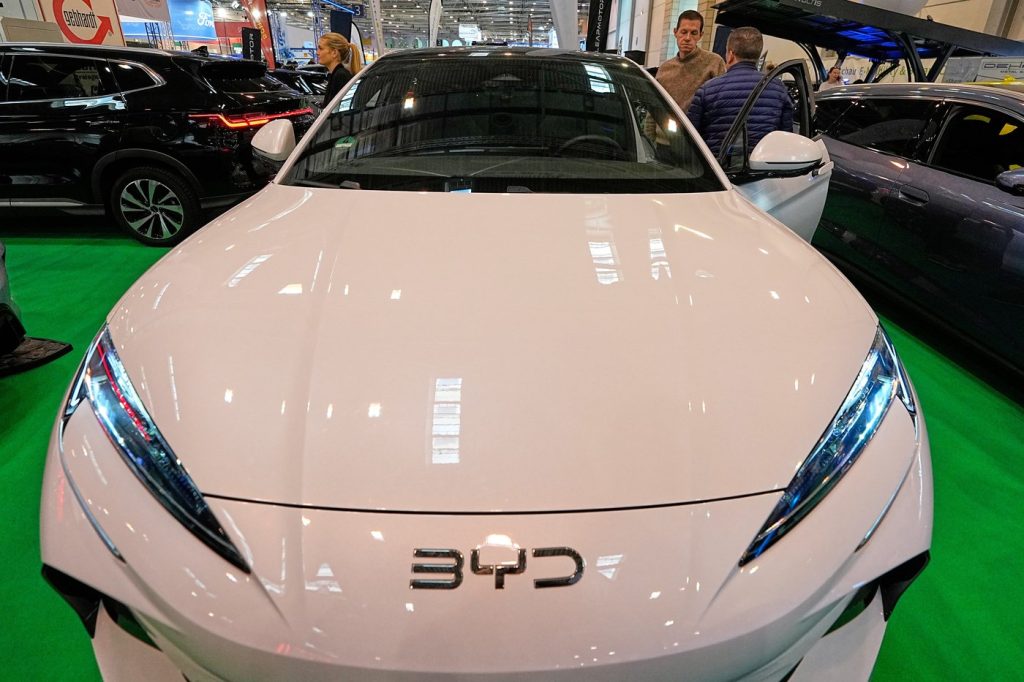
OTTAWA — Intelligence and cybersecurity experts have raised significant concerns regarding the national security risks associated with the presence of Chinese electric vehicles (EVs) on Canadian military bases. Critics advocate for a potential ban on these vehicles, warning that onboard sensors may collect and relay sensitive information back to the Chinese government.
This caution follows the examples set by Poland and Israel, which have enacted similar prohibitions on EVs manufactured by Chinese firms, including BYD Auto, in the past year. The concerns have intensified as Conservative lawmakers in Canada highlight the potential threat posed by what they term "spy cars."
Dennis Molinaro, a counter-intelligence expert from Ontario Tech University and a former national security analyst, argues that Canada should mirror the actions of Poland and Israel, emphasizing that a national security law in China may obligate private companies to supply intelligence to Beijing, thus making these vehicles a security liability.
David Shipley, CEO of Beauceron Security, advocates for Parliament to summon military leaders and government officials to explain how National Defence intends to address these escalating risks. He points out that Chinese authorities have previously indicated their concerns by banning Tesla vehicles from their political events and military bases, highlighting a precedent for such precautions.
Neil Bisson, director of the Global Intelligence Knowledge Network, outlines that due to the technological capabilities of these vehicles, such as lidar and radar cameras, and their connectivity to the electrical grid and drivers’ smartphones, they could effectively function as surveillance tools. He asserts that allowing Chinese EVs into Canada increases the risk of surveillance and other security breaches, even beyond military installations.
Responding to the growing concerns, Chief of the Defence Staff Gen. Jennie Carignan and Defence Minister David McGuinty have both stated that they would investigate the implications of allowing Chinese vehicles onto military premises. Carignan noted that while the Canadian Armed Forces (CAF) currently have a limited number of Chinese vehicles, they must carefully assess security regulations as the situation evolves. Meanwhile, McGuinty indicated he would consult with military officials regarding this issue following Poland's recent actions.
The Liberal government faces increasing pressure to restrict Chinese EVs as they plan to facilitate the entry of more affordable Chinese electric cars into the Canadian market through favorable tariff quotas. This is occurring amidst an ongoing effort to attract Chinese investment into Canada's auto sector, which faces challenges due to trade tensions with the United States.
The political discourse surrounding Chinese-made vehicles is becoming more charged, as Conservative Party Leader Pierre Poilievre has proposed banning these vehicles from areas near military bases and other critical infrastructure. Ontario Premier Doug Ford has echoed these sentiments, warning about the potential security risks associated with these cars and their capabilities to compromise privacy.
Public Safety Minister Gary Anandasangaree emphasized the federal government's responsibility to ensure that vehicles in Canada do not possess the ability to transmit data internationally, a challenge that could escalate as the influx of Chinese EVs increases.
Molinaro acknowledged that, while there is no confirmed evidence of the vehicles being used for espionage, the level of concern remains valid. He mentioned that intelligence agencies might be hesitant to disclose how they ascertain these risks for fear of revealing their methods.
Although experts like Shipley emphasize the heightened risk associated with Chinese EVs, they caution against viewing the issue as solely confined to vehicles made in China. He pointed out that all internet-connected vehicles, regardless of manufacturer, pose potential risks to military security and highlighted the absence of regulations governing these technologies.
Nonetheless, some experts, like Dan Stanton from the University of Ottawa, downplay the severity of the threat, suggesting that fears surrounding Chinese EVs engaging in extensive espionage may be exaggerated and that the situation is likely more benign.
This debate surrounding the implications of Chinese EVs for national security continues to evolve as the Canadian government weighs its options amidst growing calls for action.