MONTREAL — Three students who found themselves stranded aboard ships in the Persian Gulf for over two weeks have returned home safely. The director of Quebec's maritime institute, Mélanie Leblanc, confirmed their safe arrival after they flew from Saudi Arabia to London and then onto Canada on March 21, 2026.
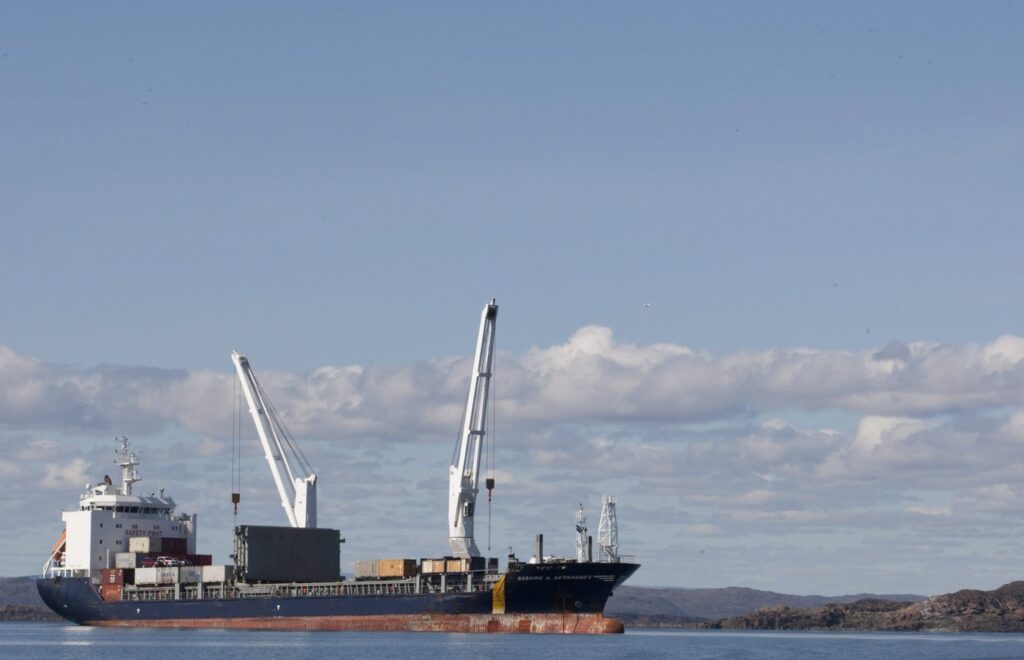
Leblanc received an email from one of the students earlier in the day and also spoke with two of them via video conference. The students were participating in a training program with Desgagnés, a Quebec-based shipping company, and were stationed on two cargo ships that have been immobilized since February 28, due to Iran's blockade of the Strait of Hormuz amid escalating tensions with the U.S. and Israel.
The blockade essentially rendered the waterway nearly impassable, which affected maritime traffic in the region. Throughout the ordeal, Leblanc stated that the institute maintained constant communication with the stranded students. “There wasn’t a single day that went by without us talking to them or writing to each other,” she said, assuring that the students were always safe and that the institute was aware of the ships' locations.
The students were not considered full crew members; they were trainees without specific roles on board the ships. This flexibility allowed for their safe disembarkation without disrupting the functioning of the vessels. Leblanc explained, “They’re students in training... which is why we were able to disembark them.” While full crews are necessary for operations and constant watchkeeping, the presence of trainees allowed for departures during the crisis.
As the situation continued without resolution, the institute began to plan for evacuation. Leblanc mentioned that practical considerations influenced the decision, including the effectiveness of the students’ learning experiences during this period and the understandable concerns from their families. Two students were successfully disembarked when their ship was unloading cargo in a Saudi port, with coordination from local authorities and the shipowner. The third student's situation was more complex; Saudi officials did not permit a transfer via a smaller service boat, necessitating that the ship secure a specific docking slot for the disembarkation.
Leblanc noted that both evacuation operations occurred smoothly, expressing relief with the outcome. The institute provided extensive support throughout the ordeal, keeping in constant contact with the students and planning debriefing sessions for the following week. She remarked, “It’s kept us on our toes these past two weeks," indicating that the students are doing well and that their families feel a significant sense of relief.
No other students from the institute remain in the Persian Gulf, as the crews aboard the ships are composed of international personnel. “No ships are entering or leaving the region until the situation stabilizes,” Leblanc stated. She further mentioned that the institute currently has 25 students working on ships globally, with some stationed in Quebec and others deployed internationally.