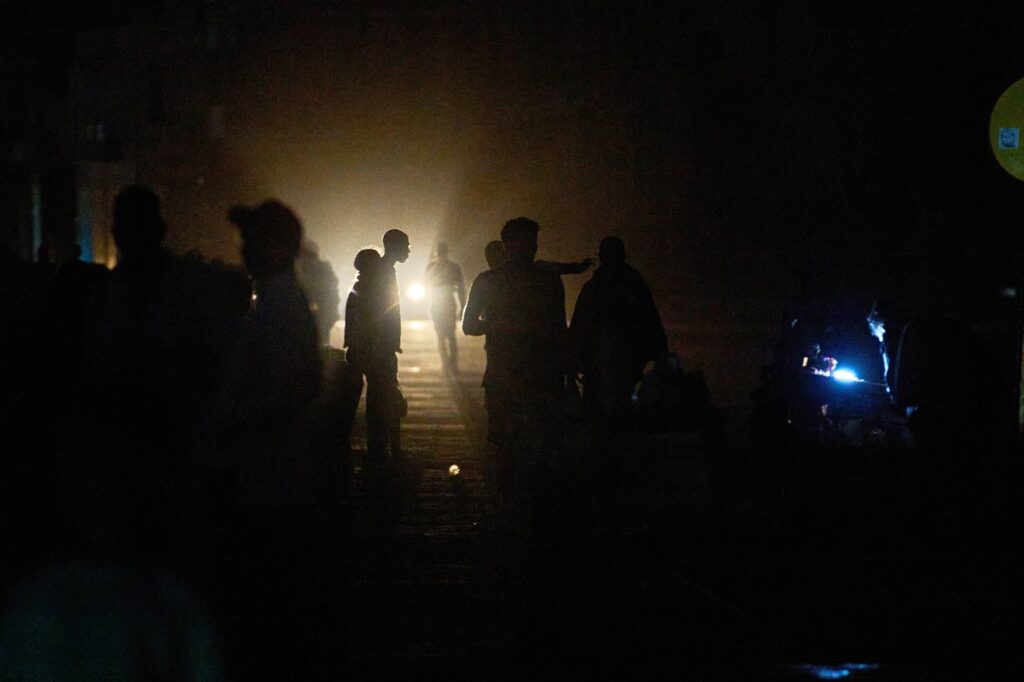
On March 21, 2026, Cuba's power grid experienced a significant collapse, resulting in a nationwide blackout for the third time that month. This outage was reported by the Cuban Electric Union, which operates under the Ministry of Energy and Mines. Initially, no specific cause was given for the outage; however, the union later indicated that an unexpected failure at the Nuevitas thermoelectric plant in Camagüey province triggered the blackout.
According to reports from the Ministry of Energy and Mines, the failure led to a cascading effect, affecting other operational generating units. As a response, the ministry activated several “micro-islands” of generating units to supply electricity to critical facilities, including hospitals and water systems. While efforts were underway to restore power, the situation highlighted ongoing issues plaguing the island’s energy infrastructure.
Over the past two years, power outages have become increasingly commonplace in Cuba, often lasting up to 12 hours due to deteriorating infrastructure and fuel shortages. The last nationwide blackout occurred just days prior to this event, marking it the second outage within a week and reflecting a troubling trend that has disrupted daily life for many Cubans.
The impact of such blackouts on the population has been profound. Daily routines are severely affected, with decreased work hours, challenges in food preparation, and spoilage due to non-functional refrigerators. In some instances, hospitals have had to cancel surgeries due to power disruptions, posing serious risks to health care delivery.
President Miguel Díaz-Canel has noted that the island has not received oil from foreign suppliers for over three months, compounding the challenges faced by the energy sector. Currently, Cuba only produces around 40% of the fuel necessary to sustain its economy. The crisis is exacerbated by the existing U.S. energy blockade, which has affected fuel imports significantly. Following a warning from former U.S. President Donald Trump in January regarding tariffs for countries supplying oil to Cuba, the pressure on the Cuban government has intensified.
Additionally, Cuba's struggles with oil supply are linked to the political situation in Venezuela, which has historically been a vital ally to Havana. The removal of Venezuela's leadership has had significant implications for trade and energy shipments, further destabilizing Cuba's fuel sources.
The blackouts and energy crises have also drawn political comments from Trump, who has suggested that the Cuban government is on the verge of collapse, alluding to potential intervention in the island's politics. Past remarks from Trump indicate a belief that he could soon have the opportunity to influence Cuba directly.
As the situation unfolds, the Cuban government continues to grapple with the dual challenges of an aging power grid and international sanctions, both of which contribute to the instability faced by the country’s energy sector. The reliance on these crumbling systems makes the need for urgent reform and sustained external support crucial for any improvement in living conditions for the Cuban populace.