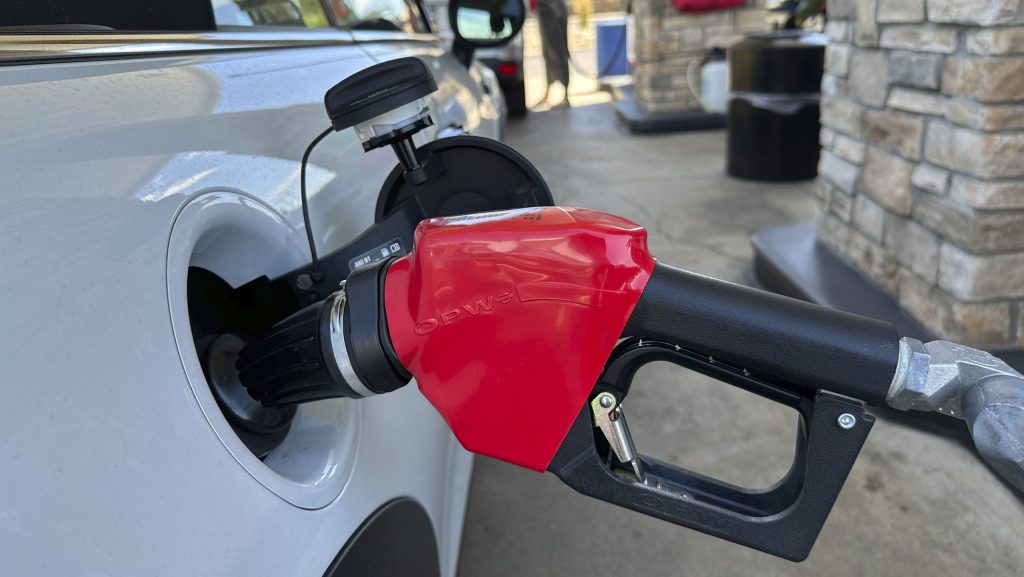
The price of gasoline is anticipated to hit a new high as the weekend concludes, with projections indicating a five-cent increase, bringing the cost to 175.9 cents per litre at most gas stations in Toronto and the Greater Toronto Area (GTA) on Sunday.
This impending rise marks the highest gasoline price in the Toronto vicinity in nearly two years, nearing the peak of 178.9 cents per litre observed in April 2024. Since the beginning of the month, gasoline prices have surged by a total of 40 cents, raising concerns among consumers and analysts alike.
Roger McKnight, the chief petroleum analyst at En-Pro, noted that the recent fluctuations in pump prices do not align with traditional patterns observed in the oil industry. Historically, retail fuel prices have mirrored changes in wholesale prices with a roughly 24-hour delay; however, the current market behavior reflects a significant deviation from this norm. McKnight emphasized that the recent trends indicate prices are moving outside the expected parameters associated with wholesale price fluctuations.
The ongoing conflict involving the United States and Israel launching missile strikes against Iran has been a crucial factor influencing the global price of oil and gas. In retaliation, Iran has reportedly obstructed and attacked oil shipments traversing the Strait of Hormuz, a strategic waterway through which roughly 20 percent of the world's oil usually passes. This geopolitical tension has precipitated volatility in global crude oil markets.
The price of Brent crude oil, which serves as the international benchmark, has experienced considerable volatility, escalating from approximately $70 per barrel prior to the onset of the Iran conflict to a peak of $119.50 earlier this week. As of Friday, Brent crude closed at $112.19 per barrel, while the benchmark U.S. crude finished the day at $98.32 per barrel. This sharp increase in oil prices is exerting upward pressure on gasoline costs at the consumer level.
In summary, the projected rise in gasoline prices highlights the unprecedented volatility in the market driven by global geopolitical events. The anticipated increase to 175.9 cents per litre places significant strain on consumers, reflecting the broader impacts of supply chain disruptions and geopolitical tensions on fuel prices across the region.