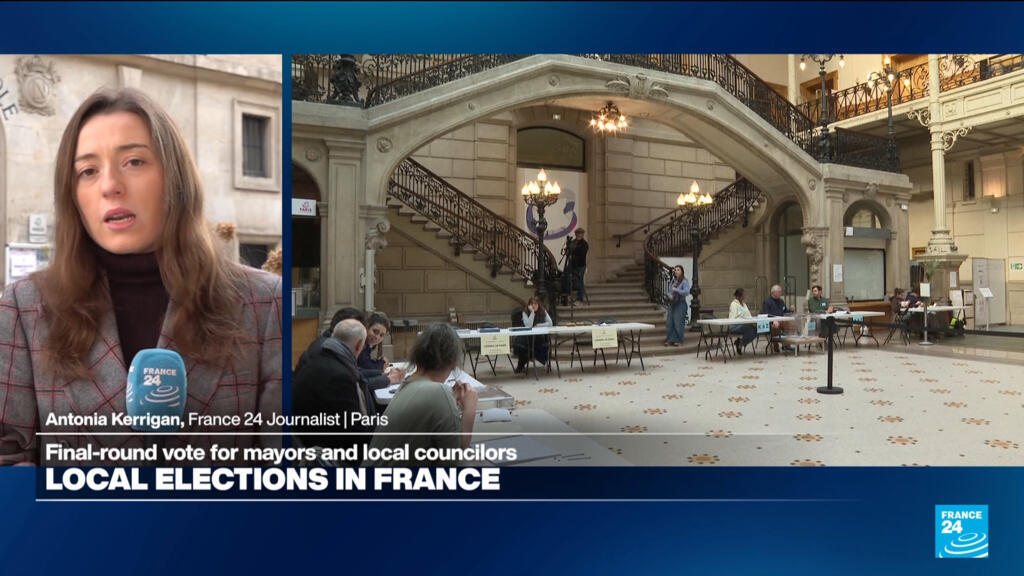
As the political landscape in France continues to evolve, all eyes are on the country's three largest cities: Paris, Marseille, and Lyon. These metropolitan centers, known for their cultural and economic significance, are currently overseen by left-wing mayors. However, with upcoming elections, the dynamics of power in these cities are about to change, raising questions about the potential shifts in leadership and policy direction.
In Paris, the capital city, the political climate is particularly charged. The incumbent mayor, Anne Hidalgo, has been in office since 2014 and is an influential figure in the Socialist Party. Her administration has focused on promoting green policies and increasing public transport efficiency. Nevertheless, as the elections approach, there are growing concerns about a decline in public support. Rising costs of living and social issues have prompted residents to seek alternative political solutions, making Paris a critical city to watch in the upcoming electoral contest.
Moving to Marseille, the second-largest city in France, the political situation is equally captivating. The city has faced numerous challenges under the leadership of left-wing officials. While the current mayor, Benoît Payan, strives to tackle issues such as urban decay and unemployment, dissatisfaction among the populace has grown. This discontent has opened the door for right-wing parties, who are campaigning on platforms that promise change and revitalization for Marseille. The competitive atmosphere hints at a possible shift in power as voters weigh their options in the elections.
Lyon, known for its rich history and vibrant culinary scene, is also experiencing a significant political transformation. With the left-wing mayor, Gregory Doucet, at the helm, Lyon has prioritized sustainability and social equity initiatives. However, the mayor’s policies have faced scrutiny, particularly in light of economic disparities that persist within the metro area. Voters in Lyon are becoming increasingly polarized as sentiments fluctuate between support for Doucet and a desire for a different political approach that might better address their concerns.
The upcoming elections not only highlight the shifting political allegiances in these three major cities but also reflect broader trends across France. As the public becomes more vocal about issues that matter to them, including economic stability and social justice, it presents an opportunity for opposition parties to gain traction. The potential gains for right-wing parties in these urban areas mark a significant shift in French politics, challenging the long-standing dominance of left-leaning leadership in historically progressive cities.
In conclusion, the electoral competitions in Paris, Marseille, and Lyon signal a crucial turning point for these cities and the nation's political landscape. Voters are more engaged than ever, and the outcomes of these elections could redefine the direction of policies critical to urban development and social welfare. The stakes are high, and all eyes remain on these three cities as they prepare to cast their votes, shaping the future of their local governance and, by extension, the nation as a whole.