EU-Australia Free Trade Agreement: Implications and Reactions
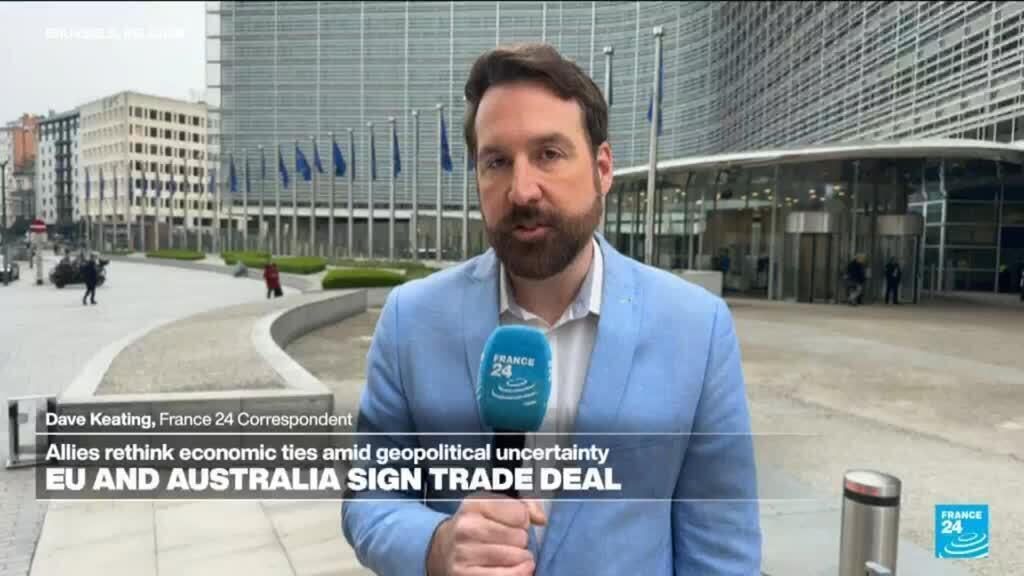
On March 24, 2023, the European Union (EU) and Australia finalized a significant free-trade agreement that has been anticipated for years. This deal not only facilitates enhanced economic exchanges between the two regions but also marks a strategic move to strengthen defence cooperation. Amid global uncertainties, particularly concerning trade dynamics and geopolitical tensions, the agreement includes provisions for easier access to crucial rare-earth minerals, which are essential for various industries, particularly in technology and renewable energy sectors.
The free-trade agreement is part of the EU's broader strategy to diversify its trade relationships, reducing dependency on traditional partners and exploring new markets. This diversification is particularly crucial as global supply chains continue to be affected by the COVID-19 pandemic, geopolitical tensions, and shifting economic power dynamics. By strengthening ties with Australia, a key ally in the Pacific region, the EU aims to bolster its economic resilience and strategic foothold in the Asia-Pacific area.
However, the deal has faced significant backlash from European farmers, who have labeled the agreement as "unacceptable." The concerns primarily stem from the competitive pressure the deal may impose on local agricultural markets. Farmers fear that the import of Australian agricultural products, which may be produced under less stringent environmental and health standards, could undermine European agricultural sectors. The negativity surrounding the deal underscores the ongoing tension between trade liberalization and domestic agricultural interests within the EU.
The European farming community's concerns highlight a broader dialogue within the EU about the balance between free trade and protecting local industries. As the union seeks to engage in trade agreements globally, it must navigate the complexities of ensuring that domestic farming communities remain sustainable and competitive. The backlash from farmers is indicative of a growing resistance to trade agreements among certain sectors that feel threatened by global competition.
Moreover, the agreement also addresses defence cooperation between the EU and Australia. In light of increasing geopolitical tensions, particularly concerning China’s assertiveness in the Indo-Pacific region, the deal outlines collaborative efforts aimed at enhancing security and defence capabilities. This aspect of the agreement signifies the multipurpose nature of modern trade agreements, where economic arrangements increasingly intertwine with security considerations.
In terms of rare-earth minerals, both parties recognized the importance of these resources, which are essential for technological advancements and the transition to green energy. The EU's commitment to securing these materials underscores a shift towards sustainable practices while maintaining competitive technological industries. As the demand for electric vehicles, renewable energy technologies, and other high-tech applications rises, ensuring a stable supply of rare-earth elements becomes a strategic priority for both the EU and Australia.
As the implementation of this free-trade agreement unfolds, it will be crucial for both parties to address the concerns raised by European farmers while reaping the benefits of an enhanced partnership. The challenge will lie in finding a balance that supports economic growth and innovation while also safeguarding the interests of local industries. The EU's future trade policies may need to incorporate measures that ensure fair competition and environmental standards that reflect European values and priorities.
In summary, while the free trade agreement between the EU and Australia presents opportunities for economic collaboration and strategic partnership, it also brings to the forefront the complexities of trade relations that need to be navigated carefully. The ongoing dialogue surrounding this agreement will likely shape future discussions on trade policy within the EU and with other global partners.