In Ottawa, federal public servant Jennifer MacDougall has expressed significant anxiety regarding her decision to accept the government's early retirement offer. The source of her concern is a letter she received from the pay center in February, stating that she owes approximately $10,500 to the government due to a discrepancy in her pay file. This issue dates back to the period between 2014 and 2018, when MacDougall was in a role that had been reclassified, resulting in her being underpaid. Although she finally received retroactive pay in 2019, the subsequent notification regarding her debt has left her uneasy about her financial future as she considers retirement.
MacDougall described the situation as "crazy" and is currently appealing the decision. She noted that her case is still under processing and is concerned about the federal government's legal authority under the Crown Liability and Proceedings Act, which allows for a six-year window to recover debts. The emotional toll of the situation is palpable, as she mentioned that it is causing anxiety for both her and her husband, ultimately affecting her confidence in retiring.
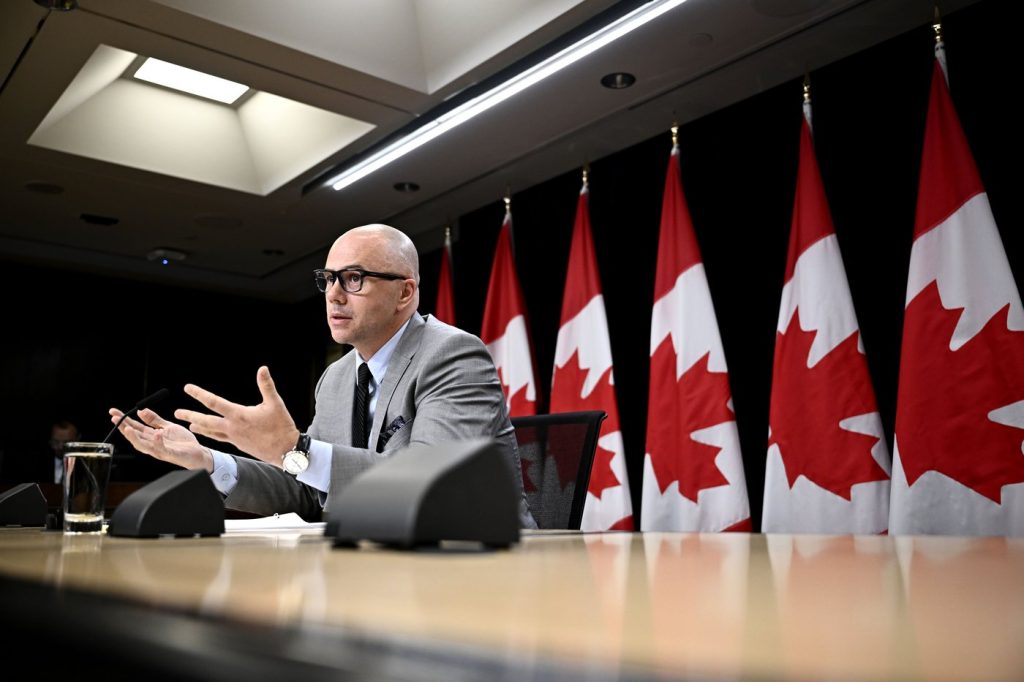
The recent federal budget introduced an early retirement incentive aimed at reducing the workforce of public servants. This program would allow federal employees to retire early without penalties to their pensions, although it is yet to be available to employees. During a press conference earlier this month, Alex Benay, the associate deputy minister of Public Services and Procurement Canada, acknowledged that public servants may have legitimate concerns about taking advantage of this early retirement option due to the ongoing issues with the Phoenix pay system.
Benay affirmed that it is reasonable for employees to feel apprehensive, given the troubled history of the Phoenix system. He also indicated that the government has a plan in place to handle an expected increase in cases related to severance pay. "We have a specialized service that we’ve created within the pay center to deal specifically with these cases," he stated, although he admitted that this service has not yet been activated. He reassured that the service is prepared and that staff have received the necessary training.
The Phoenix system, which has been in place since 2016, has faced extensive criticism due to its various operational problems, costing taxpayers around $5 billion. This flawed system resulted in some federal employees being overpaid while others did not receive their salaries at all. In an effort to resolve these issues, Ottawa announced a 10-year, $350.6 million contract for the system's replacement, Dayforce, with implementation scheduled to begin in 2027. Furthermore, the government plans to utilize artificial intelligence to alleviate the backlog of transactions that the Phoenix system has accrued.
As of February 25, 2026, the backlog stood at 216,000 cases, with nearly half of those being over a year old. MacDougall fears that if she decides to retire, the government may later pursue further payments from her. "For the next six years after my last pay, I’ll always be worried that they’re going to come looking for something," she commented. This persistent fear has led her to question the reliability of any information received from the government.