ABOARD AIRFORCE ONE (AP) — President Donald Trump expressed his acceptance of a Russian oil tanker delivering relief supplies to Cuba, which is currently facing severe challenges due to a U.S.-imposed oil blockade. While traveling back to Washington on Sunday night, Trump stated, “We have a tanker out there. We don’t mind having somebody get a boatload because they need... they have to survive.”
In response to a query about whether a New York Times report suggesting that the tanker would be permitted to reach Cuba was accurate, Trump affirmed, “I told them, if a country wants to send some oil into Cuba right now, I have no problem whether it’s Russia or not.”
On Monday, the Russian Transport Ministry confirmed that the oil tanker Anatoly Kolodkin had arrived at the Cuban port of Matanzas, carrying approximately 730,000 barrels of oil, which was described as "humanitarian supplies." This vessel is currently sanctioned by the United States, the European Union, and the United Kingdom due to the ongoing conflict in Ukraine.
Kremlin spokesman Dmitry Peskov stated on Monday that Russia had previously discussed the oil shipment to Cuba with the United States. He emphasized that Russia considers it necessary to provide assistance to Cuba, referring to the country as "our Cuban friends.”
The Trump administration has taken one of the most stringent approaches against Cuba in recent history, effectively cutting off the island from crucial oil shipments in an attempt to induce regime change. This blockade has led to devastating repercussions for the Cuban populace, contradicting Trump and Secretary of State Marco Rubio's claims of wanting to assist the civilians. The blockade has precipitated hardships including widespread desperation among the residents.
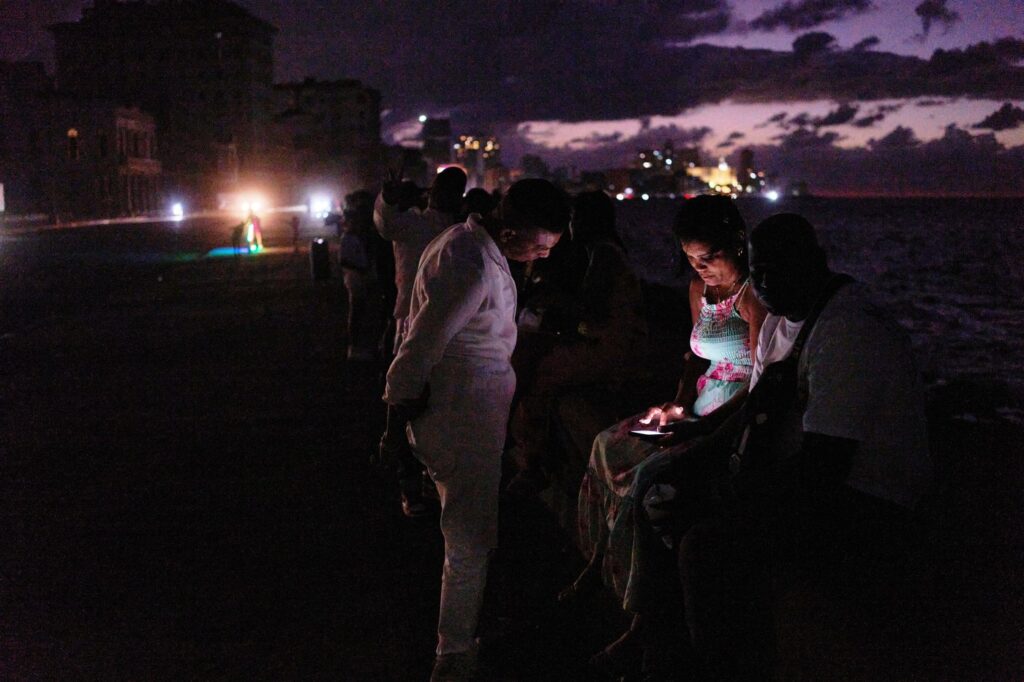
Cubans have been grappling with island-wide blackouts and a significant shortage of gasoline and basic resources, which have severely crippled hospitals and hindered public transportation. Experts predict that the oil shipment could yield roughly 180,000 barrels of diesel, which could cover Cuba's daily demand for a duration of nine to ten days.
Cuba has historically been a focal point in the geopolitical rivalry between the United States and Russia, a tension that spans several decades. However, Trump dismissed concerns that permitting the tanker to reach Cuba would benefit Russian President Vladimir Putin. “It doesn’t help him. He loses one boatload of oil, that’s all it is. If he wants to do that, and if other countries want to do it, it doesn’t bother me much,” Trump commented. He maintained, “It’s not going to have an impact. Cuba’s finished. They have a bad regime. They have very bad and corrupt leadership, and whether or not they get a boat of oil, it’s not going to matter.”
In ending his remarks, Trump mentioned, “I’d prefer letting it in, whether it’s Russia or anybody else because the people need heat and cooling and all of the other things.” The ongoing saga reflects the complexities of international relations as they pertain to humanitarian needs and geopolitical strategy.