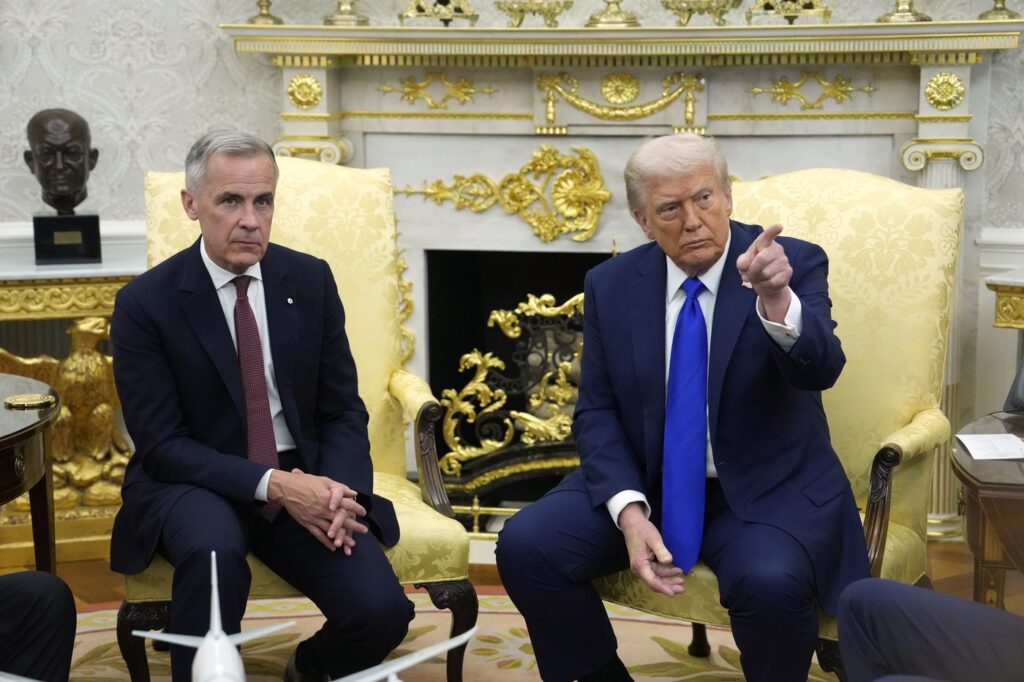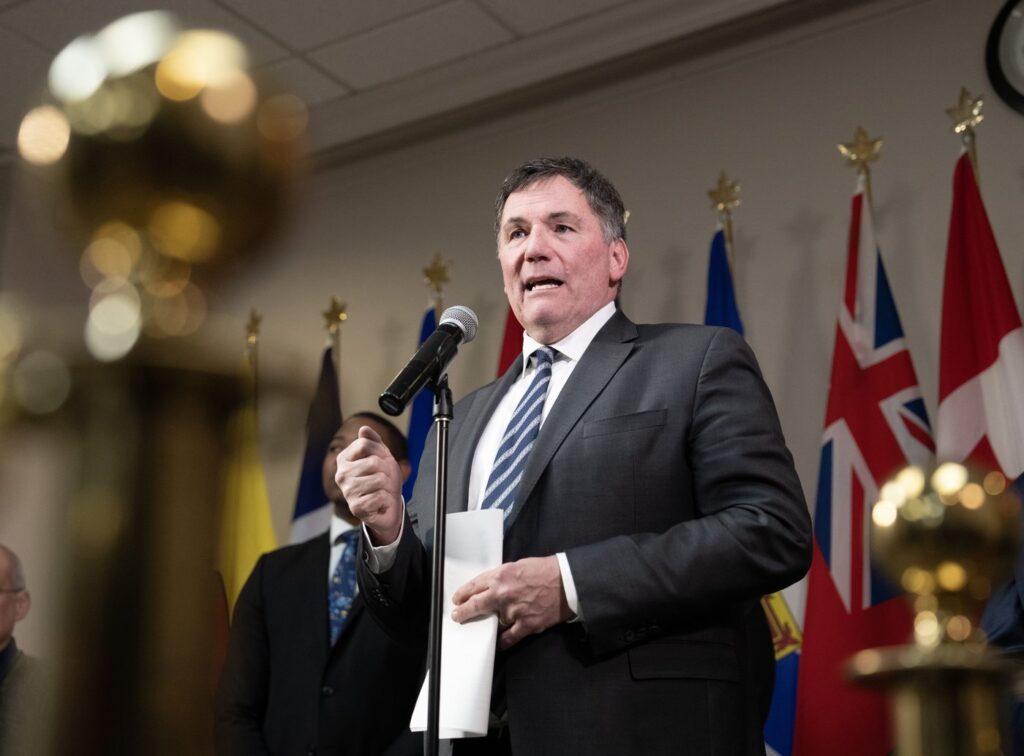
OTTAWA – Canada's Trade Minister, Dominic LeBlanc, expressed confidence on Monday regarding the ongoing negotiations surrounding the Canada-U.S.-Mexico Agreement (CUSMA), asserting that he is not concerned about Mexico potentially signing a trade agreement with the United States that would exclude Canada. During a news conference, LeBlanc highlighted the Mexicans' commitment to a trilateral agreement, as all three nations aim to renew CUSMA.
LeBlanc stated, "We’ve also said all along that there will be a bilateral element to these discussions and there will also be a trilateral element." He emphasized that both the U.S. government and the Mexican administration have recognized the importance of addressing bilateral issues, which will synergistically inform the discussions about the trilateral review of CUSMA as well.
Formal negotiations between Mexico and the U.S. have commenced ahead of a deadline set for July. Earlier this month, U.S. Trade Representative Jamieson Greer acknowledged that progress in talks with Canada has not been as advanced. The review process for CUSMA will culminate in a tripartite decision by July, where each country will have the option to renew the agreement for an additional 16 years, withdraw from it entirely, or indicate a stance of non-renewal and non-withdrawal. The latter option could initiate an annual review, potentially prolonging negotiations for up to ten years.
While specifics of Canadian negotiations were not disclosed, LeBlanc characterized the dialogues with U.S. officials as productive, noting a positive shift in communication since the halt in negotiations following U.S. President Donald Trump's decision in October. Recently, LeBlanc led a significant trade mission to Mexico, with a reciprocal Mexican trade delegation scheduled to visit Canada in May.
Interestingly, LeBlanc mentioned that Canada's stance on the conflict in Iran has not posed an obstacle in trade discussions, stating, "The good news is in my conversations with U.S. officials, this has not been an impediment at all." His remarks followed a meeting in Ottawa with provincial and territorial counterparts focused on addressing internal trade barriers.
The Canada-U.S. relationship has been significantly strained during Trump's presidency due to tariffs and threats of territorial annexation. As CUSMA's future hangs in the balance, Trump has publicly dismissed the agreement as irrelevant, suggesting it may have fulfilled its purpose. Greer has also floated the prospect of the U.S. potentially moving towards two separate bilateral agreements with Canada and Mexico instead of maintaining a trilateral pact.
Moreover, Greer has indicated concerns regarding Canadian barriers that complicate bilateral trade talks, such as provincial restrictions on the importation of U.S. alcohol. LeBlanc addressed these concerns by engaging in discussions with provincial leaders, clarifying that the federal government does not dictate provincial jurisdiction. He conveyed this position to both Ambassador Greer and Secretary Howard Lutnick.
In response to these trade dynamics, the provinces, territories, and federal government reached an internal trade agreement last year aimed at eliminating trade barriers to facilitate business operations across Canada. On Monday, LeBlanc announced that trade ministers have agreed to expand this agreement to encompass services, recognizing ongoing challenges in labor mobility, particularly in skilled trades.
Certain products remain excluded from the current trade agreement, including food, live animals, alcoholic beverages, cannabis, tobacco, and plants. The Canadian Federation of Independent Business (CFIB) weighed in on the matter, advocating for the mutual recognition of goods and services, which would enhance business growth, cut costs, and provide consumers with broader choices.
CFIB's Alberta director, Keyli Loeppky, stated, "The next phase should prioritize expanding mutual recognition to food and alcohol products, which continue to face significant barriers across provincial borders." She underscored that removing these remaining obstacles would bolster Canada's economy and unveil new opportunities for small businesses and consumers alike.
This report provides insight into Canada's position in the ongoing CUSMA negotiations and highlights the intricacies of managing trade relationships amid political shifts and internal regulatory challenges.