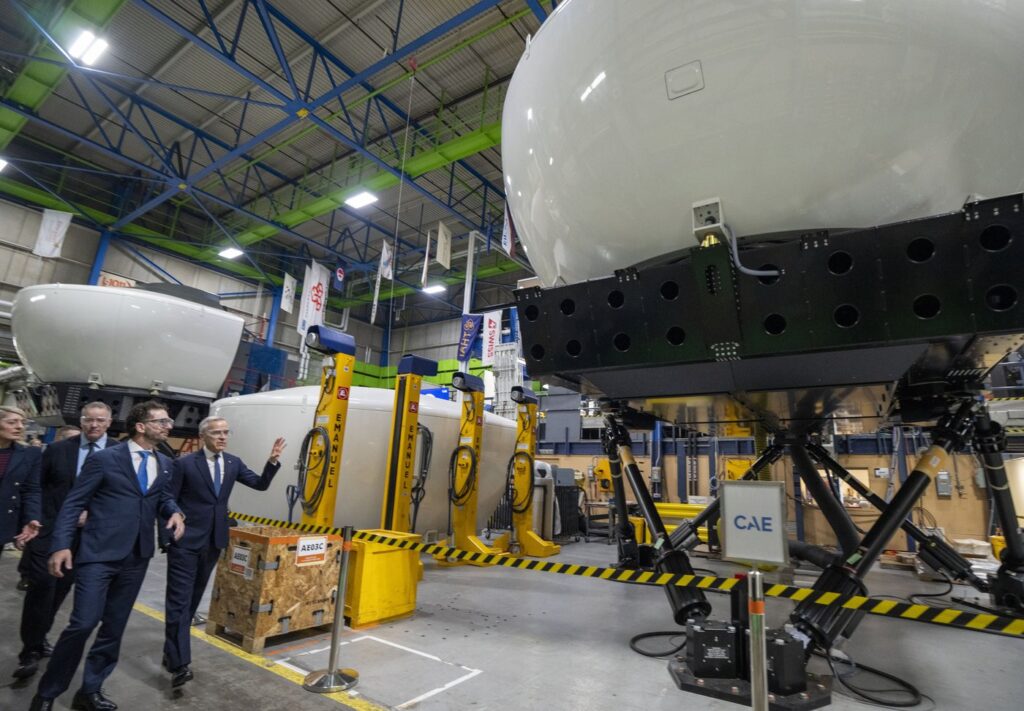
CAE Inc., a prominent flight simulator manufacturer, has announced that it is laying off two percent of its workforce in response to anticipated spending cuts by commercial airlines. This decision reflects the company's strategic adjustments as it adapts to the evolving financial landscape within the aviation industry.
The layoff impacts approximately 280 positions, with nearly two-thirds of these reductions occurring in Quebec, primarily within the Montreal area, where CAE is headquartered. The significance of this move underlines the company's proactive approach to managing its resources amid a forecasted decline in demand for air travel and associated services.
According to company spokeswoman Samantha Golinski, these layoffs are part of a broader transformation plan that was introduced by the new chief executive officer, Matthew Bromberg, last year. The plan aims to streamline operations and effectively mitigate costs, ensuring the organization's sustainability and competitiveness in a challenging market.
In addition to the layoffs, CAE has initiated a comprehensive review of its operations at three of its training centers located in Brussels, Stockholm, and Barcelona. This review is part of a strategy to assess the potential sale of these facilities. However, CAE has stated that no definitive decisions have been made regarding their future at this time.
As part of its workforce management efforts, CAE is also extending early retirement options to certain employees, alongside a work-sharing program targeted at personnel working on the factory floor in Montreal. These measures are designed to cushion the impact of layoffs and provide alternative pathways for employees affected by the company's operational changes.
Back in November, CEO Matthew Bromberg initiated the first steps of the transformation program, which seeks to assert tighter controls on costs amid an anticipated downturn in demand for air travel and commercial pilot training. This proactive strategy aims to address the shifting dynamics within the global aviation sector, ensuring that CAE remains resilient in the face of changing market conditions.
The company's recent actions underscore the broader challenges facing the aviation industry, where companies are grappling with fluctuating demand and the need for cost management. As CAE navigates these turbulent times, its efforts to reorganize and streamline operations are critical as it works towards maintaining its leadership position in the flight simulation and training market.
As this situation continues to develop, stakeholders will be closely watching CAE's next steps and the impact of these layoffs on its operations and the broader workforce in Quebec.