France's New Measures Against Illicit Shipping Practices
In an effort to combat the illicit transportation of Russian oil and strengthen its enforcement of existing sanctions, France is considering an update to its military planning law that aims to double the jail terms for ship owners and operators who do not adhere to legal maritime protocols. This prospective legislative change signifies a heightened commitment from the French government to ensure compliance with international sanctions imposed against Russia following its invasion of Ukraine.
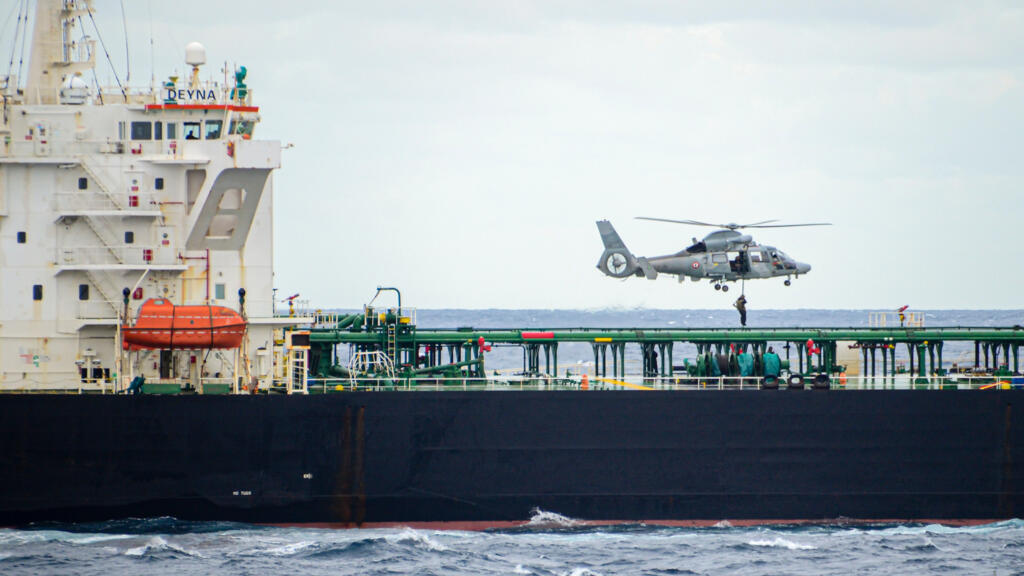
The draft update specifically targets vessels that fail to fly the correct national flags, which is a critical aspect of maritime law, as well as those that refuse to comply with orders to stop when approached by authorities. This move is primarily driven by concerns that certain ships might be engaging in trade that undermines Western sanctions aimed at limiting Russia's revenue from oil exports. The increased penalties are intended to serve as a strong deterrent against non-compliance.
Currently, the legal framework allows for significant penalties for violations; however, the proposal to double the jail terms reflects a recognition of the evolving challenges posed by global maritime activities in response to geopolitical tensions. French authorities are particularly concerned about the methods employed by ships to circumvent these sanctions, including the practice of changing flags or altering identifiers during transit to disguise their activities.
The context of this legislative initiative is rooted in the need for stringent measures as various reports indicate the ongoing flow of Russian oil into international markets, often facilitated by vessels utilizing deceptive practices. France's strategic move is part of a broader coalition of Western nations that are working to enforce compliance with agreed-upon sanctions against Russia.
Furthermore, the anticipated law underscores France’s determination to secure maritime routes and ensure that vessels contributing to sanctioned economies are held accountable. Officials believe that by enhancing penalties, they will discourage ship operators from engaging in such activities, thus fostering a more responsible approach to international shipping.
As part of the legislative process, the update to the military planning law will be subjected to discussions and evaluations within the French parliament. Stakeholders from various sectors, including shipping and international trade, will be closely monitoring the developments as the proposed changes might significantly impact operational practices in maritime industries.
In summary, France's potential doubling of jail terms for non-compliance with maritime regulations reflects a decisive stance taken against illegal shipping practices and showcases a proactive approach in reinforcing international sanctions against Russia. With geopolitical tensions still high, monitoring and enforcement around maritime conduct will likely remain a top priority for French authorities.