US Officials Support Hungary's Orban Amid Parliamentary Elections
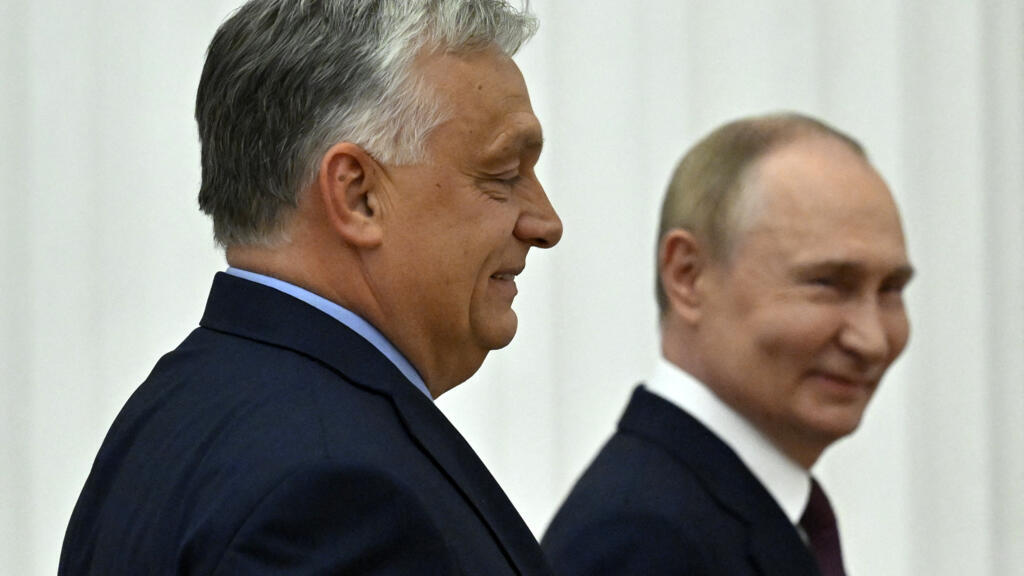
US President Donald Trump and Vice President JD Vance have publicly endorsed Hungarian Prime Minister Viktor Orban, sparking a debate over the implications of such support in the context of Hungary's parliamentary elections. Trump expressed his unwavering support for Orban, a nationalist leader, calling it “complete and total” during a statement made last month. Vice President Vance further solidified this endorsement by campaigning alongside Orban in Budapest earlier this week.
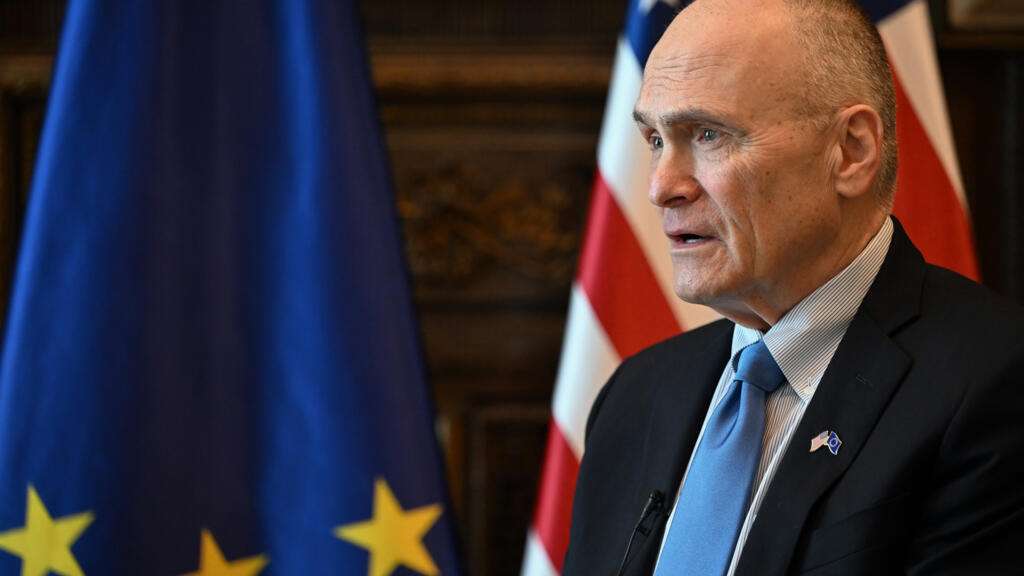
The endorsement from high-ranking US officials has prompted discussions regarding potential foreign influence in Hungary’s electoral process. However, US Ambassador to the European Union has stated that this support does not equate to "meddling" in Hungary's elections. This clarification aims to assuage concerns about the integrity of Hungary's democratic processes, especially given the growing scrutiny over the relationship between the US and Hungary.
Viktor Orban, who has been in power since 2010, is known for his strong nationalist policies and has been a polarizing figure in European politics. His government has often faced criticism for what many describe as authoritarian practices, including media control and undermining judicial independence. Despite these criticisms, Orban maintains significant support domestically, positioning himself as a defender of Hungarian sovereignty against external influences.
The backing from Trump and Vance may be seen as part of a broader strategy to align with nationalist leaders across Europe, particularly as many right-leaning parties have gained traction in recent years. This trend indicates a shift in Western political dynamics, where nationalist sentiments are increasingly embraced by political leaders in the US and beyond.
As Hungary approaches its parliamentary elections, the ramifications of foreign endorsements, particularly from the US, are under close scrutiny. Critics argue that such endorsements could compromise Hungary's political autonomy, while supporters maintain that international relations and alliances are a natural aspect of global politics.
The upcoming elections are crucial for the country, as they may determine the future direction of Hungary’s domestic and foreign policies. With Trump and Vance's endorsements, Orban may gain additional legitimacy and support among his base, potentially influencing voter behavior in the elections scheduled in the near future.
Overall, while the US administration’s backing is significant, the true impact on Hungary's electoral process remains to be seen. Observers will be closely watching not only the election outcomes but also how these international endorsements affect perceptions of Hungary’s democracy and governance. As the landscape of European politics continues to evolve, the intersection of domestic policies and foreign endorsements will likely play a pivotal role in shaping future relations within the region and beyond.