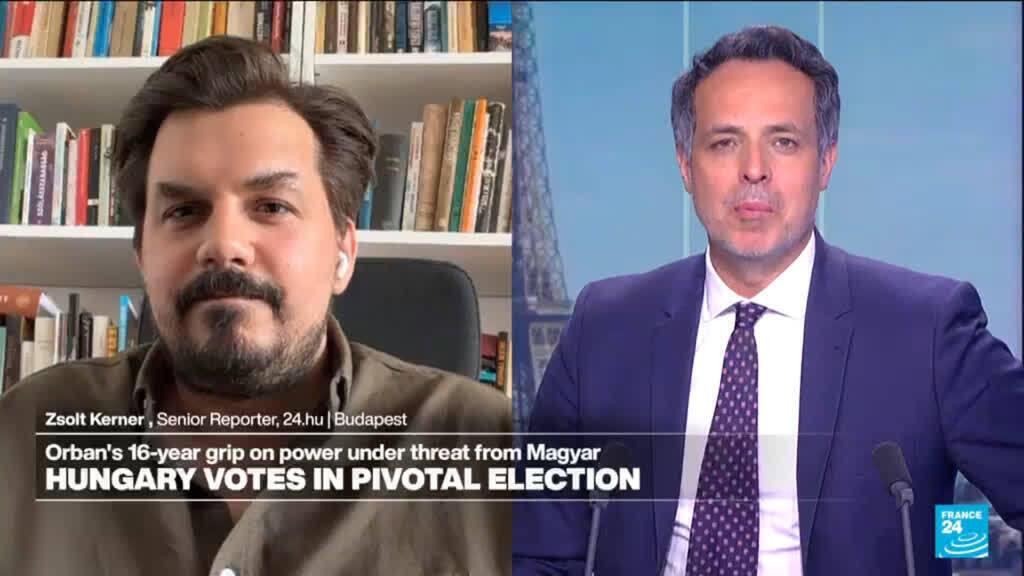
Hungarians initiated their voting process on a notable Sunday for their parliamentary elections, which are closely monitored across Europe. These elections represent a critical juncture that could potentially terminate the 16-year premiership of Viktor Orbán, who has become a prominent figure in European politics as a self-declared "thorn" in the European Union's side.
Viktor Orbán, at the age of 62, is vying for his fifth consecutive term in office. Over the years, he has significantly reshaped Hungary into what he describes as a model of illiberal democracy. Orbán's government has adopted a hardline stance on various issues, particularly concerning migration. He has positioned migration and "woke" ideologies as formidable "civilisational" threats, echoing rhetoric seen in other populist movements around the world, notably following Donald Trump's ascent in American politics.
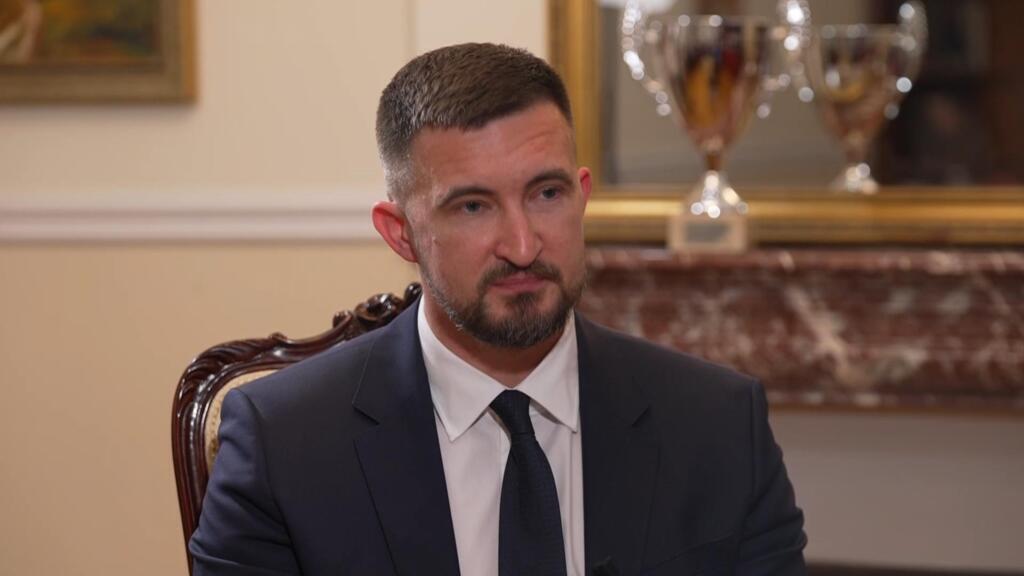
Emerging as a prominent challenger to Orbán is former government insider András Magyar, 45, who has rapidly gained traction within the Hungarian political landscape. Magyar, who burst onto the political scene just two years ago, has garnered significant public support amid a backdrop of economic stagnation. His rise comes despite a political system that is heavily tilted in favor of Orbán’s ruling Fidesz party, which has been accused of leveraging its dominance to undermine democratic norms and institutions.
The electoral system in Hungary, which can be complex and often criticized for its biases, plays a crucial role in shaping the outcome of elections. The system has raised concerns among opponents of Orbán, who argue that it perpetuates an imbalance that favors the ruling party, making it challenging for opposition parties to compete effectively. This election, thus, is not only a referendum on Orbán's leadership but also a test of the country's democratic integrity and the robustness of its electoral processes.
As the voting unfolds, the stakes are incredibly high. Many Hungarians hope for a change after years of policies that many view as divisive and detrimental to the nation's standing within Europe. The elections have drawn attention not only for their immediate implications for Hungary's governance but also for how they might reflect broader trends in European politics, where populist and far-right movements have gained ground in recent years.
As observers monitor the developments from polling stations and scrutinize voter turnout, the implications of this election could resonate far beyond Hungary's borders. Analysts predict that the outcomes could either pave the way for a new political era in Hungary or reinforce Orbán’s grip on power, shaping the future trajectory of Hungarian democracy in the years to come.
In conclusion, the Hungarian elections present a pivotal moment for the country, with potential ramifications for its domestic policies and its role within the European Union. The ongoing political battle between Orbán and his challengers captures significant tensions concerning governance, democracy, and national identity in an increasingly polarized Europe.