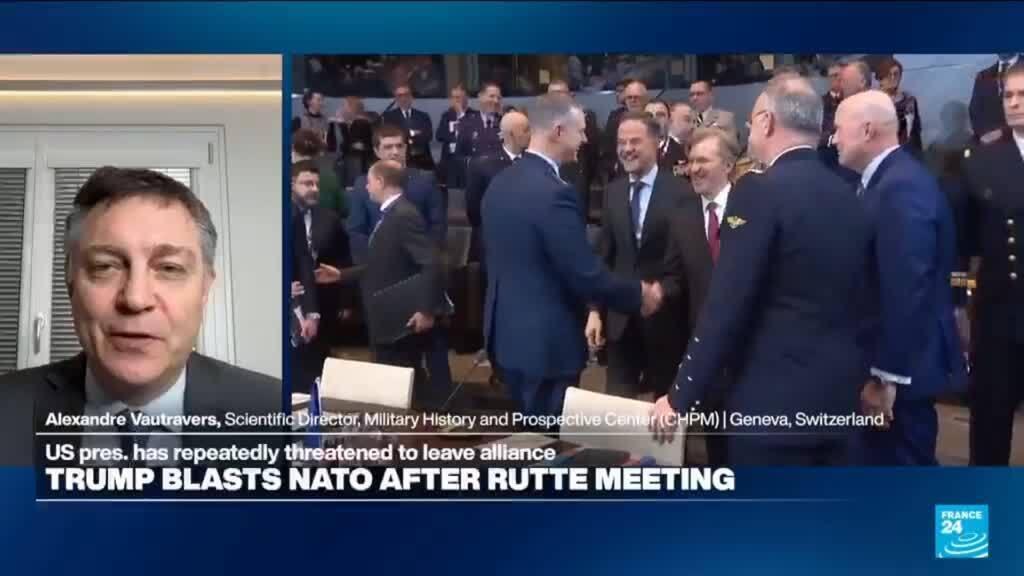
Oliver Farry has welcomed Alexandre Vautravers, an Associate Fellow in Leadership in Conflict Management at the Geneva Centre for Security Policy (GCSP), to discuss the evolving dynamics of international relations, particularly regarding the United States and Europe. Vautravers emphasizes that while political rhetoric, notably from figures like Donald Trump, may capture headlines, the real issues facing transatlantic relations are much deeper and more complex. These challenges stem from the technical, logistical, and strategic underpinnings that support the NATO alliance and the interoperability of forces from the United States and European nations.
According to Vautravers, the recent trend in US foreign policy under Trump's administration has fostered a climate of unpredictability. This has led to the adoption of highly confrontational policies that have not only impacted relations with adversaries but have also strained alliances with traditional partners. Countries in Europe are beginning to reassess their dependence on the US military umbrella, leading to what Vautravers describes as a phase of cautious autonomisation. This shift reflects a growing recognition that Europe must enhance its own defense capabilities and develop a more independent approach to security issues.
The discussion highlights the significance of interoperability among NATO allies. Vautravers asserts that the absence of cohesive strategies and shared objectives can cripple the operational effectiveness of the alliance. As European nations contemplate increasing their military readiness and capabilities, they must also ensure that their forces can operate seamlessly alongside US forces. This need for integration is critical, as effective collaboration during joint missions depends on well-planned logistics and established communication protocols.
Furthermore, Vautravers notes that the geopolitical landscape is becoming increasingly complex. Emerging threats—ranging from cyber warfare to hybrid conflicts—require a coordinated response from all members of the alliance. To address these issues effectively, European nations are compelled to invest in modernizing their militaries and building their strategic autonomy without alienating the United States.
As Europe grapples with these developments, Vautravers urges that the emphasis should be placed on resilience and adaptability. By boosting their own defense structures, European countries can reduce their vulnerability to external pressures and foster a more balanced transatlantic relationship. This newfound autonomy does not imply a complete detachment from the US; rather, it suggests a more mature partnership where Europe is capable of contributing to global security in its own right.
In conclusion, the dialogue initiated by Oliver Farry with Alexandre Vautravers sheds light on the emerging realities of NATO and transatlantic relations in a world marked by unpredictability and evolving threats. The call for increased European defense capabilities and the emphasis on interoperability are pivotal as NATO seeks to navigate the challenges posed by both internal dynamics and external pressures. The future of the alliance may well depend on its ability to adapt to these changes while ensuring that its foundational principles of cooperation and mutual support remain intact.