Hungary's Recent Elections Signal a Shift in Governance
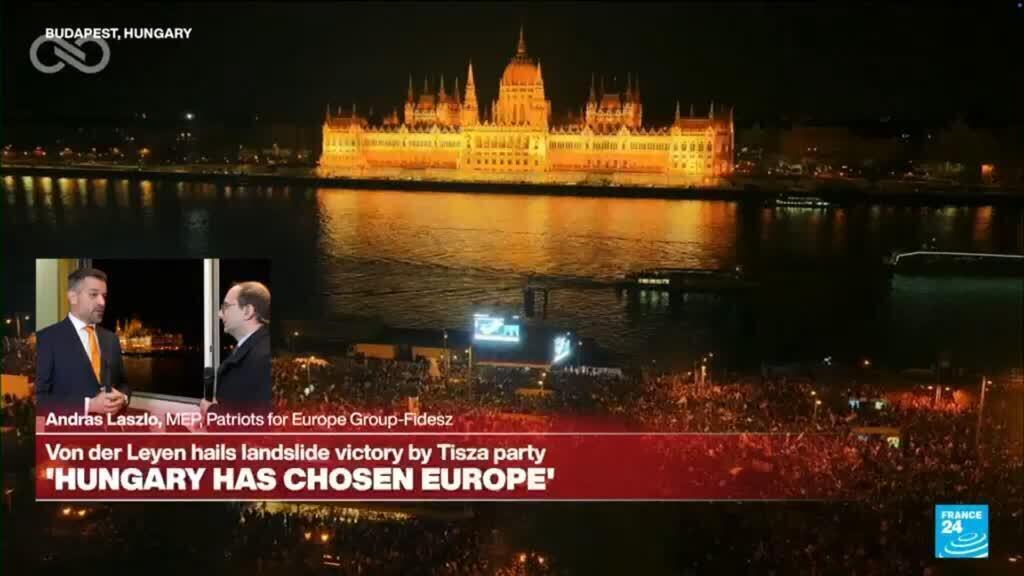
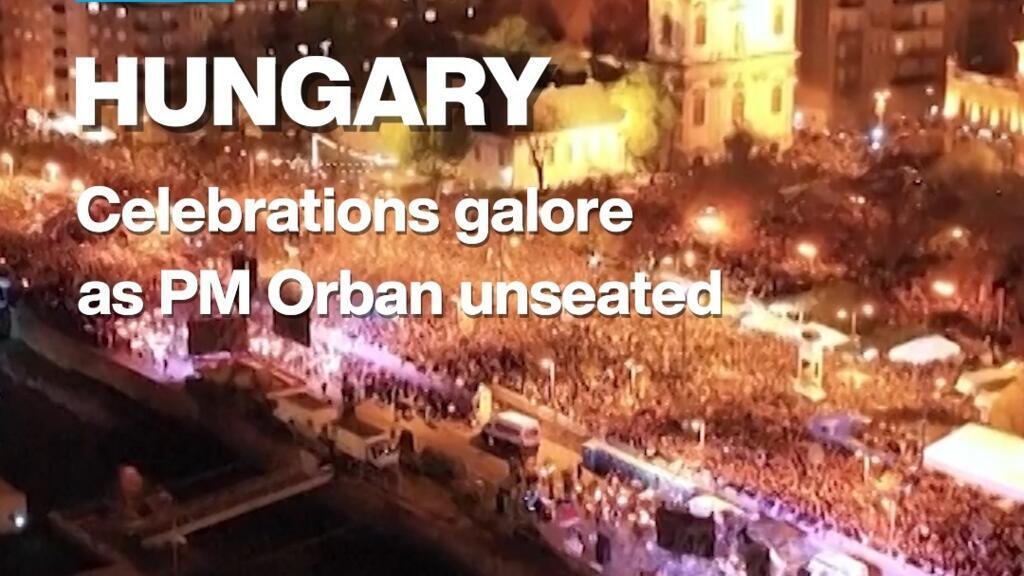
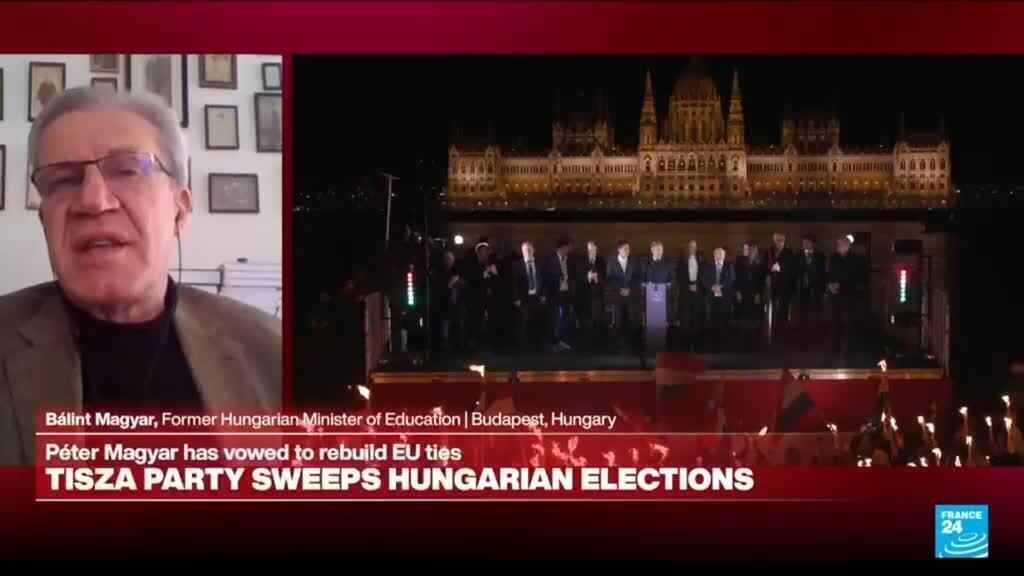
The recent elections in Hungary have garnered significant attention, achieving one of the highest voter turnouts since the dissolution of the Soviet Union. The outcome has resulted in a landslide victory for Péter Magyar, leading to discussions regarding the implications of this electoral shift. In an interview with Eve Irvine from FRANCE 24, Bálint Magyar, a key figure in Hungarian political history and a former Minister of Education, shared his insights on what this election means for the future of Hungary.
Bálint Magyar characterized this election as the "third regime change" in Hungary since the pivotal events of 1989-90, a period when the country transitioned from communist rule to democracy. He outlined a vision for transforming Hungary from what he referred to as a "mafia state" back into a liberal democracy. Magyar emphasized that the success of this transformation hinges on three critical pillars.
Pillars of Change
The first pillar, according to Magyar, is the restitution of the constitutional state. This entails restoring legal frameworks and institutions that uphold democratic governance and ensure that citizens' rights are protected. He expressed the need for a robust legal system that operates independently and is free from political interference.
The second pillar focuses on addressing what Magyar described as the "state criminal organization led by Orbán." This refers to the actions and policies implemented by the current government under Prime Minister Viktor Orbán, which critics argue have eroded Hungary's democratic institutions and facilitated corruption. Magyar insisted that dismantling this organization is crucial for restoring public trust in government and ensuring accountability.
Lastly, the third pillar involves eliminating Hungary's client relationship with Russia. Magyar posited that the previous government's alignment with Russian interests has positioned Hungary as an "agent" of Russia, undermining Hungary's standing within the European Union (EU) and NATO. This aspect of Magyar's vision reflects a desire to realign Hungary's foreign policy, emphasizing solidarity with Western allies and a commitment to NATO principles.
Conclusion
Bálint Magyar's reflections highlight a pivotal moment in Hungary's political landscape. The recent elections not only represent a change in leadership but also signify a potential shift towards reclaiming democratic principles and addressing longstanding issues within the governance framework. As Hungary embarks on this journey, the effectiveness of the proposed pillars of change will be closely monitored by both domestic and international observers, eager to see how this new chapter unfolds.