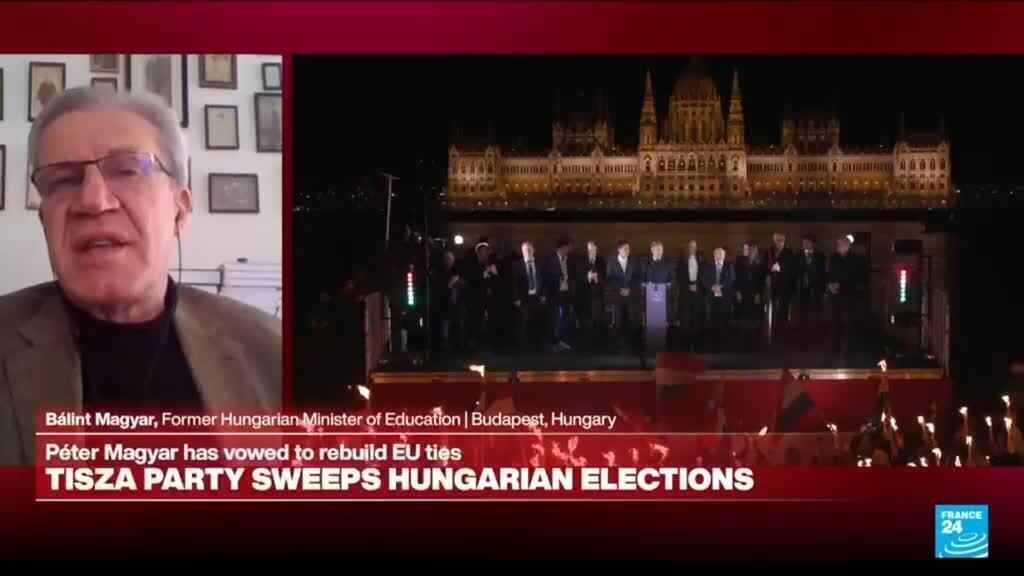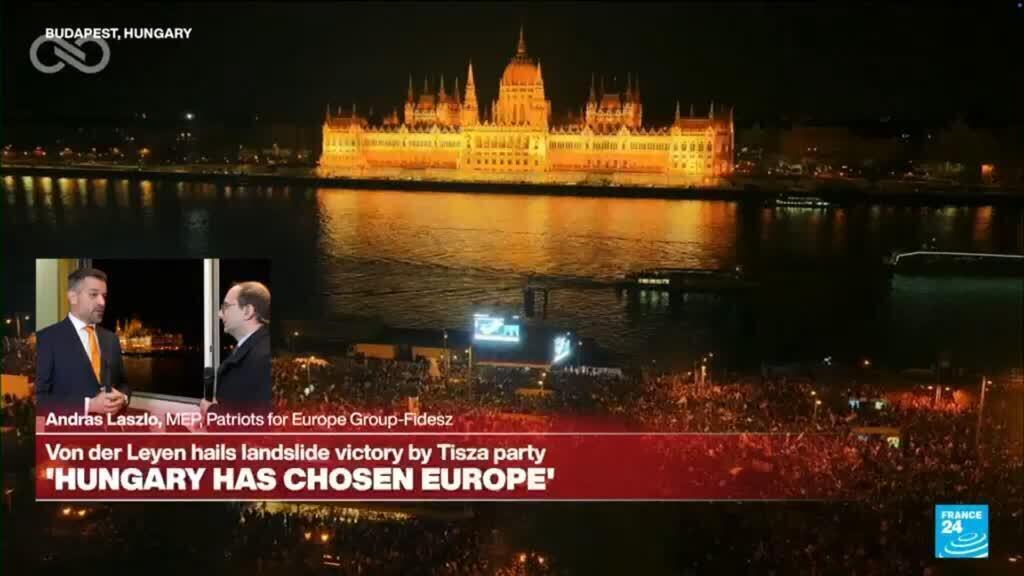
The recent elections in Hungary marked a significant moment in the nation's political landscape, showcasing one of the highest voter turnouts since the dissolution of the Soviet Union. Following this pivotal electoral event, Péter Magyar emerged victorious with a commanding lead. In an analysis of the implications of this result, FRANCE 24's Senior European Editor, Armen Georgian, engaged in a discussion with András László, a Member of the European Parliament (MEP) who represents the Patriots for Europe / Fidesz party.
During the conversation, László emphasized that the results of the election were not solely the product of a single miscalculation or specific policy failure by the governing parties. Instead, he pointed to a broader trend affecting governing parties across Europe, which are grappling with economic stagnation. The heightened political pressure stemming from these economic challenges is a common denominator in the current climate, influencing voter sentiment and electoral outcomes.
László also took the opportunity to criticize the opposition parties, accusing them of running a "filthy and hate-filled campaign." He asserted that the opposition's strategy prioritized personal attacks rather than addressing substantive issues and concrete policy proposals. This approach, according to László, detracted from meaningful discussions about the future direction of Hungary's governance and left voters disillusioned with the opposition's ability to present a viable alternative.
As the newly empowered majority steps into the spotlight, László acknowledged the considerable institutional authority it holds. However, he raised concerns regarding the ambiguity surrounding its policy direction. The lack of a clearly defined agenda could lead to uncertainty in governance and potential challenges in meeting the expectations of the electorate who have placed their trust in the newly elected officials.
Furthermore, László’s remarks shed light on the ongoing dynamics within EU politics, where economic factors and public sentiment significantly shape political narratives. The rise of populist sentiments and challenges to traditional party lines reflect a wider phenomenon that European countries continue to navigate. In Hungary's case, the Fidesz party's ability to harness voter concerns amidst a climate of economic unease has proven effective, but the future will tell whether this momentum can be translated into concrete and beneficial policies for the populace.
The discourse surrounding the election also highlights the importance of addressing the key issues at hand, rather than focusing on personal rivalries that serve to divide rather than unite the electorate. László’s assertions reflect a desire for political discourse that is grounded in pragmatism and a clear vision for governance in Hungary, especially as the country looks to position itself within the broader European context.
In summary, as Europe faces economic uncertainty, the political landscape in Hungary has shifted considerably, with Péter Magyar's victory serving as a reflection of both voter dissatisfaction with existing structures and the effectiveness of the ruling party's campaign strategies. Ongoing political development will require careful attention to the policies implemented by the new majority, as well as an introspective look at the opposition’s strategies moving forward.