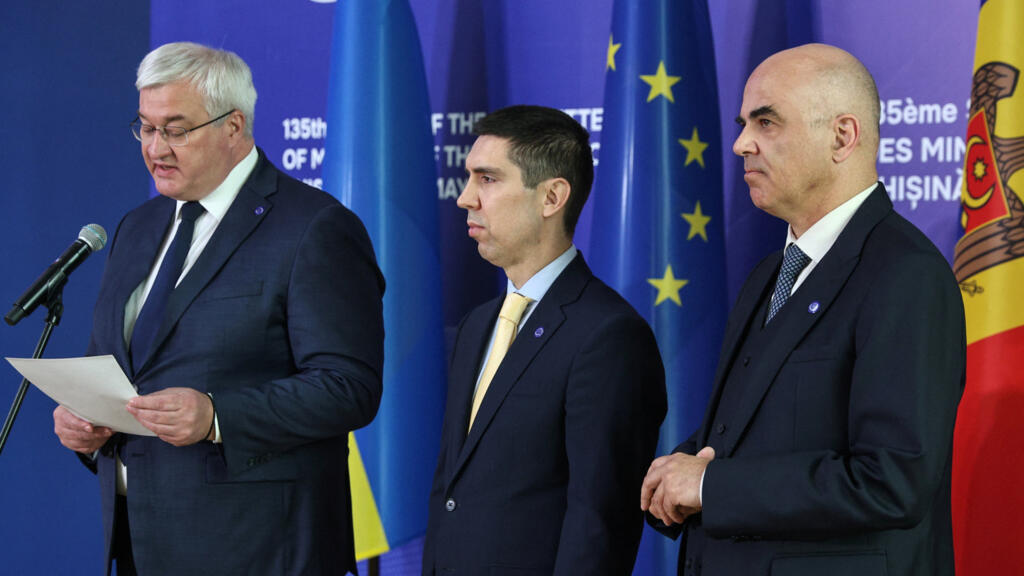
On a recent Friday, a coalition of thirty-four European states, together with Australia and Costa Rica, announced their intention to join a proposed special tribunal aimed at holding Russia accountable for its invasion of Ukraine. This initiative marks a significant step towards establishing a legal framework that would enable Ukraine to prosecute Russia for the alleged "crime of aggression". The formation of such a tribunal is intended to provide a formal mechanism for addressing the violations of international law that have occurred since the onset of the conflict.
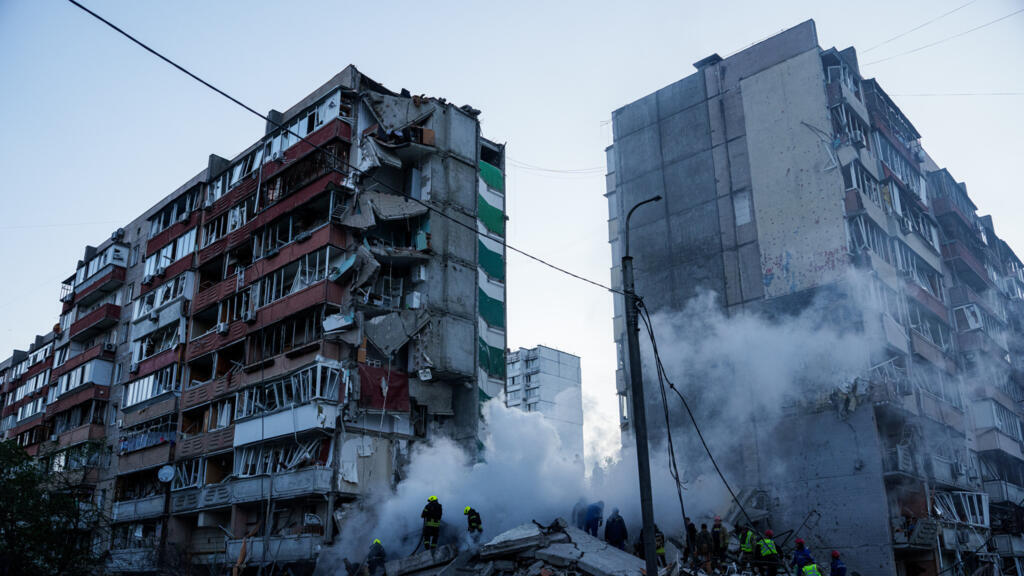
The initiative for this special tribunal has gained momentum in light of the ongoing humanitarian crisis and the widespread devastation caused by Russia's military actions in Ukraine. The supportive nations believe that establishing accountability is crucial not only for justice but also for deterring future acts of aggression by states against their neighbors. The proposed tribunal would serve to uphold international law and offer a means for Ukraine to seek reparations and justice for the harm inflicted upon its territory and population.
Among the European states joining this coalition are major players such as Germany, France, and Poland, alongside various smaller nations that collectively represent a significant portion of the European Union. This broad support highlights the unity among these countries regarding the necessity of upholding international norms and the rule of law. Furthermore, the inclusion of non-European nations like Australia and Costa Rica underscores the global consensus on the need to respond to acts of aggression and to reinforce international legal standards.
Legal experts have praised the establishment of the tribunal, emphasizing that it could serve as a landmark case in international law, potentially setting precedents for how similar instances of aggression are addressed in the future. The tribunal would not only focus on the political leadership of Russia but could also extend to military officials implicated in war crimes. This aspect has raised the stakes considerably, as it shows a willingness to confront those in power responsible for the ongoing conflict.
Despite the optimism surrounding this proposal, challenges remain regarding its implementation. There are questions about jurisdiction, enforcement, and the procedural logistics of bringing high-ranking officials to justice. Moreover, Russia's potential response to such a tribunal could exacerbate tensions not only in Ukraine but across the European continent. The diplomatic ramifications of this initiative will likely be closely monitored, as both supporters and detractors assess the geopolitical landscape amidst ongoing military operations.
The timing of this announcement also coincides with increasing international pressure on Russia, including sanctions and diplomatic isolation from various global bodies. As the conflict continues, calls for accountability grow louder, making the establishment of the special tribunal a focal point in international discussions on Ukraine. The tribunal is anticipated not only as a form of justice for the present but also as a warning for the future conduct of nations regarding territorial integrity and respect for sovereignty.
In conclusion, the formation of a special tribunal for Ukraine signifies a pivotal moment in international law and global diplomatic efforts to address aggression. As a collective of thirty-four European states, alongside Australia and Costa Rica, supports this initiative, the world watches closely to see how it unfolds and what impacts it will have on international relations and the pursuit of justice for Ukraine.