EU Unlocks Funds for Hungary Amid Reforms
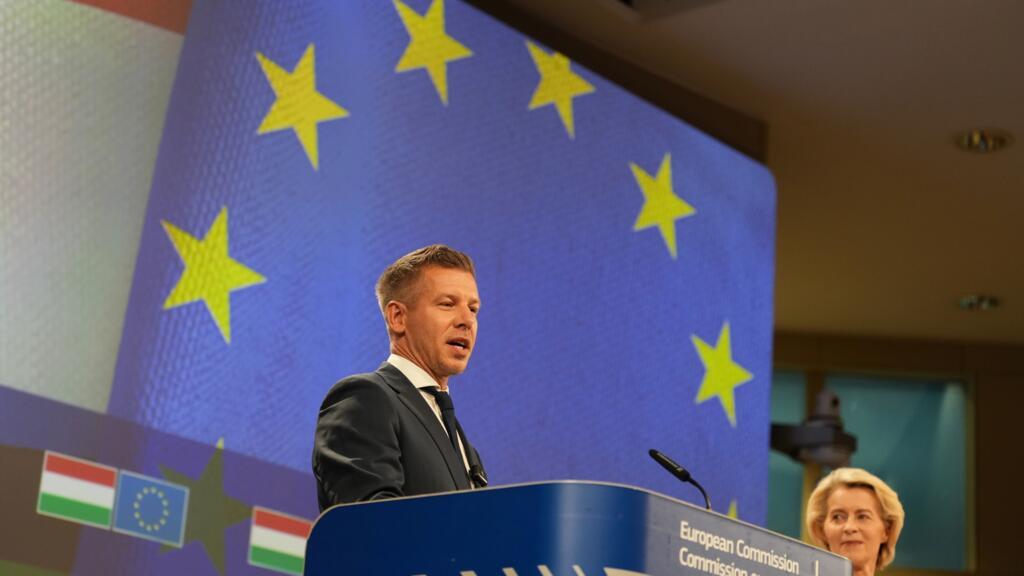
In a significant development, the European Union has announced the unlocking of over €16 billion in previously frozen funds for Hungary. This decision was communicated on Friday by EU Commission President Ursula von der Leyen, who highlighted the reforms implemented by Hungary's newly elected Prime Minister Peter Magyar as "long overdue." The funding had been suspended under the leadership of former Prime Minister Viktor Orban due to allegations of corruption and democratic backsliding within the country.
During Orban's tenure, Hungary faced severe criticism from the EU for its handling of democratic processes and the rule of law. The EU accused the government of undermining democratic institutions and fostering an environment of corruption that jeopardized the integrity of the country's governance. As a response to these concerns, the EU instituted a freeze on funds intended to support various development projects in Hungary.
With the appointment of Peter Magyar, who has pledged to implement essential reforms, the EU is now reassessing its position. Von der Leyen expressed optimism regarding Magyar’s leadership, stating that the reforms are vital for restoring confidence in Hungary's commitment to democratic principles. She emphasized that these changes are necessary to promote accountability and transparency within the government.
The release of the funds represents a turning point in Hungary's relationship with the European Union, which had been strained for years due to political disagreements and disputes over governance standards. The funds are anticipated to contribute significantly to Hungary's economic recovery and to enhance investment in critical infrastructure and social programs that have been neglected during Orban's administration.
However, the road ahead remains challenging. Hungary will need to demonstrate tangible progress in implementing the promised reforms to ensure ongoing support from the EU. The pressure remains on the Magyar administration to uphold its commitments and to align Hungary more closely with EU values concerning democracy, human rights, and the rule of law.
As the situation unfolds, observers will closely monitor how these developments will impact Hungary's future and its standing within the European Union. The combination of financial support and the expectation for reform marks a crucial juncture for Hungary and could potentially serve as a model for other member states grappling with similar issues of governance.
In conclusion, the unlocking of €16 billion in funds is a significant step for Hungary, reflecting the potential for change under new leadership and the EU's willingness to support reforms that align with its core values.