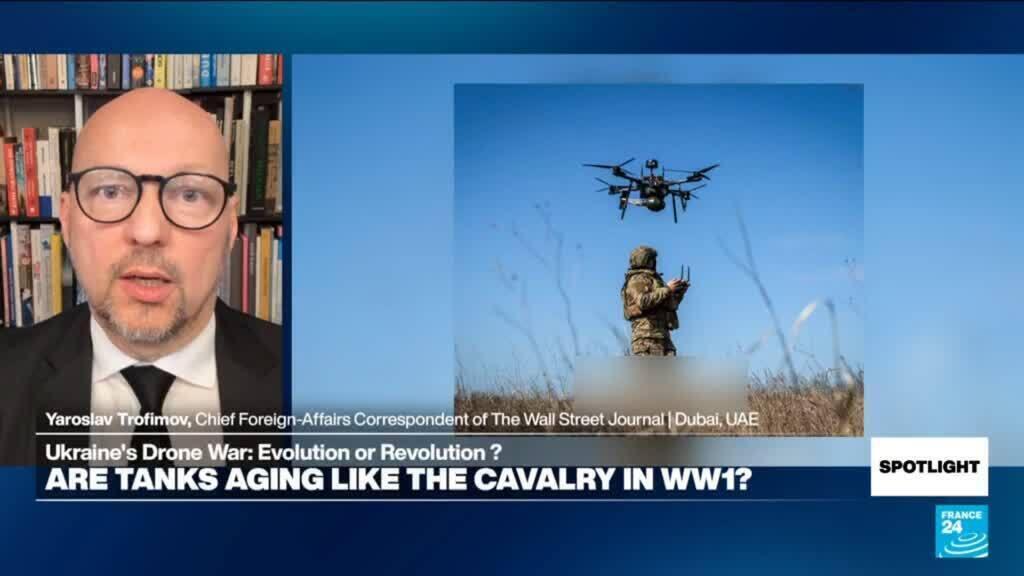
The rapid advancements in drone warfare, particularly those enhanced by artificial intelligence (AI), have significantly transformed the nature of conflict both in Ukraine and around the globe. These technological innovations are sparking a debate among military analysts and policymakers regarding whether these changes represent an evolution or a revolution in warfare. As nations adapt to new methods of combat, the implications for global security and military strategy are profound.
In Ukraine, the ongoing conflict has become a testing ground for the integration of advanced drone technologies and AI capabilities in warfare. Ukrainian forces have utilized a variety of drones for reconnaissance, targeting, and even offensive operations, showcasing the potential of these tools to alter traditional battle dynamics. The ability to deploy drones autonomously or semi-autonomously has raised questions about the ethics of warfare and the role of human oversight in military actions.
As the battlefield continues to evolve, governments around the world, particularly in Europe, are facing challenges in adapting their military procurement and strategy to these rapid technological changes. The increasing sophistication of drone warfare requires substantial investments in new technologies, training, and strategic planning. Nations must evaluate how best to allocate resources to not only keep pace with advancements but to also ensure that they maintain a competitive edge in defense capabilities.
The debate concerning the transformative nature of drone warfare also extends to the broader implications for international conflict. With the proliferation of drone technology and AI, the barriers to entry for warfare have significantly lowered, allowing even smaller actors—be they nations or non-state groups—to engage in sophisticated military operations. This democratization of warfare presents new strategic dilemmas for established powers, as they grapple with the unpredictability of conflicts that can emerge from this technology.
In response to these developments, many European governments are reassessing their military strategies and defense spending. The urgency to invest in advanced technologies is paramount, not only to address immediate security needs but also to prepare for an uncertain future where drone warfare could become even more prevalent. Policymakers are now weighing the costs and benefits of various investment options, seeking to strike a balance between innovation and operational readiness.
Furthermore, ethical considerations around AI in warfare are generating significant discourse. The use of autonomous systems raises critical questions regarding accountability in military operations. Who is responsible for decisions made by drones operating with AI? How can nations ensure compliance with international humanitarian law in the use of such technologies? The answers to these questions are still being formulated, but the urgency of finding solutions is becoming increasingly apparent as technology progresses.
In conclusion, the impact of AI-driven drone warfare is reshaping military frameworks and necessitating a reevaluation of defense strategies. The dual nature of these advancements—improving operational efficiency while potentially complicating ethical and legal frameworks—will continue to challenge governments globally. As the nature of warfare undergoes this transformation, an adaptive approach will be essential for nations looking to navigate the new landscape of conflict.
```