Malta's Parliamentary Elections Commence Amid Controversy
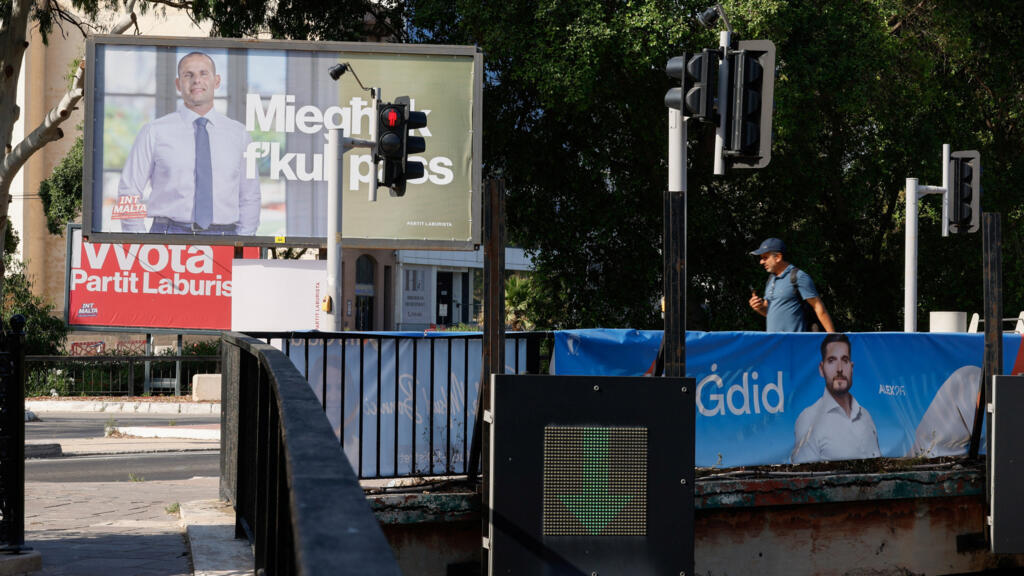
Parliamentary elections in Malta commenced on Saturday, where voters took to the polls with the potential of securing a historic fourth consecutive term for the ruling Labour Party. Opinion polls leading up to the elections indicated a strong likelihood that the Labour government, led by Prime Minister Robert Abela, would maintain its grip on power. This election cycle occurs in the backdrop of mounting public discontent regarding issues of over-construction and allegations of corruption that have surfaced over recent years.
The elections were prompted by a growing desire among the electorate for accountability and transparency in governance. Issues such as rampant over-development and several high-profile corruption scandals have cast a shadow over the Labour Party's record since coming to power in 2013. Despite facing criticism, the Labour Party continues to maintain a solid support base, bolstered by economic growth and job creation initiatives during its tenure.
The electoral process sees Maltese citizens exercising their democratic rights to influence the direction of their government. Polls revealed a significant portion of the electorate remains optimistic about the Labour Party's ability to address ongoing challenges. Observers noted that voter turnout could be crucial in deciding the election's outcome, with preliminary results expected to be released on Sunday afternoon.
In recent years, the political landscape in Malta has been further complicated by the assassination of investigative journalist Daphne Caruana Galizia in 2017. Her death led to large-scale protests demanding accountability and reform within the government. This incident continues to resonate with voters, particularly those concerned about corruption and the rule of law in Malta.
The opposition Nationalist Party, which is vying for power in these elections, has criticized the Labour government for what it terms an "inaction" stance concerning necessary reforms. The Nationalists are pushing for a more transparent governance model and greater public engagement in policy-making processes to combat the prevailing issues of corruption and mismanagement.
While the Labour Party projects a strong front, it must also contend with the growing disillusionment among certain segments of the populace regarding environmental sustainability and quality of life. As Malta wrestles with the implications of rapid urban development, some voters are voicing concerns about its impact on the island's natural beauty and community cohesion.
The socio-economic fabric of Malta is now at a crossroads, as concerns about the future shape of its development take center stage in this electoral cycle. As the nation moves towards the announcement of the preliminary results, all eyes will be on how the electorate responds to these pressing issues that have highlighted the complexities of governance in the small, yet vibrant Mediterranean nation. The results will not only have a profound effect on the Labour Party's political future but will also set the tone for the direction of Malta’s policies in the coming years.