EDMONTON Alberta Premier Danielle Smith has officially cast her ballot in the province's separation referendum, choosing to vote for a united Canada. In a video posted on social media, Smith expressed her support for staying in Confederation, highlighting recent progress in addressing what she termed unfair federal laws and policies affecting Alberta.
During her announcement, Smith acknowledged the frustrations many Albertans feel towards the federal government. However, she pointed to positive developments, including the advancement of major projects, such as a proposed oil pipeline to the British Columbia coast, signifying a brighter future for Alberta within Canada.
Smith encouraged fellow citizens to also vote for unity, reiterating her commitment to remaining in Confederation. "Canada can still work," she said, emphasizing the need for reforms to improve relations between Alberta and Ottawa.
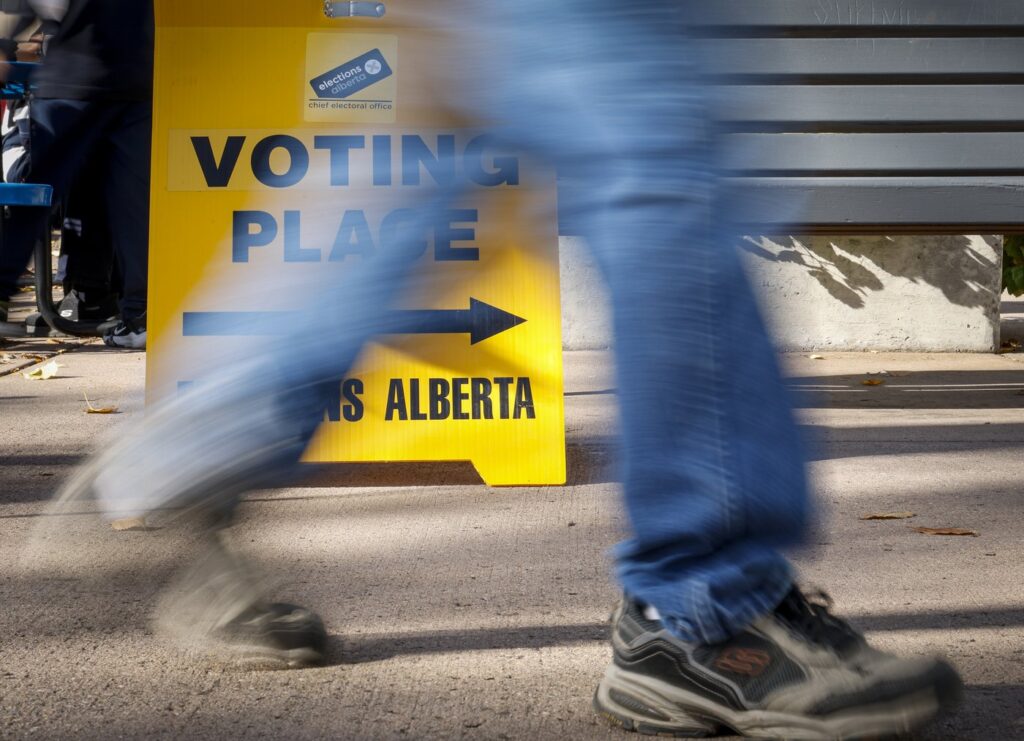
The official polling day for the referendum is Monday, with advance voting already underway this week. As part of the referendum process, Smith has included ten questions on the ballot; the first asks voters whether they wish to remain in Canada or pursue a second, binding referendum on separation.
The remaining nine questions focus on policy proposals concerning immigration and constitutional amendments. Smith's government seeks approval to gain more control over immigration processes and to collaborate with other provinces in efforts to amend the Constitution, ultimately devolving additional power to provincial governments.
In her appeal to voters, Smith urged support for the nine questions, asserting that a "yes" vote would send a strong signal to Ottawa regarding the need for greater provincial autonomy and respect to strengthen national unity.
Advance voting kicked off on Tuesday and is slated to conclude on Saturday, with Elections Alberta reporting a high turnout of nearly 175,000 voters on the first day, surpassing the average daily turnout of approximately 152,000 seen during the earlier provincial elections. Issues such as technology failures affecting polling stations and severe weather causing power outages were reported, yet officials managed to keep polling stations open later to accommodate voters.
Naheed Nenshi, the Leader of the Opposition NDP, was among those who voted on Tuesday, publicly urging Alberta residents to reject the United Conservative Party's propositions and to vote for unity with Canada. Responding to voter interest, Elections Alberta noted that they anticipated record turnout for the referendum and reported significant interest in mail-in ballots, with two-thirds of approximately 658,000 requests already returned by the deadline.
Polls indicate a strong majority of Albertans prefer to remain part of Canada, though the debate surrounding the referendum has been characterized by heightened tensions, often splitting families and communities. In Coutts, a village on the US border known for its participation in the anti-government COVID-19 protests, residents display both pro-Canada and separatist sentiments through competing signage, reflecting the division in public opinion.
Former Premier Jason Kenney commented that the focus of protest movements has shifted towards separatism since the pandemic. Local leaders, including Jim Willett, the former mayor during the trucker blockade, shared similar sentiments, viewing the new push for separation as a continuation of anti-government sentiments exacerbated by recent events. Willett expressed his allegiance to Canada, striving to convey a message of unity while still raising awareness of local grievances.
Conversely, residents like William Harty, who operates a motel in Coutts, see the referendum as a positive opportunity for Alberta to raise its concerns with Ottawa, while firmly expressing their desire to stay in Canada. "They're getting a lot more money out of Alberta; be a little more fair," he stated, indicating that the vote could help bring attention to the province's issues.
This ongoing referendum and its implications highlight the complexities of Alberta's relationship with the federal government and showcase the varying perspectives among residents regarding the future of the province within Canada.