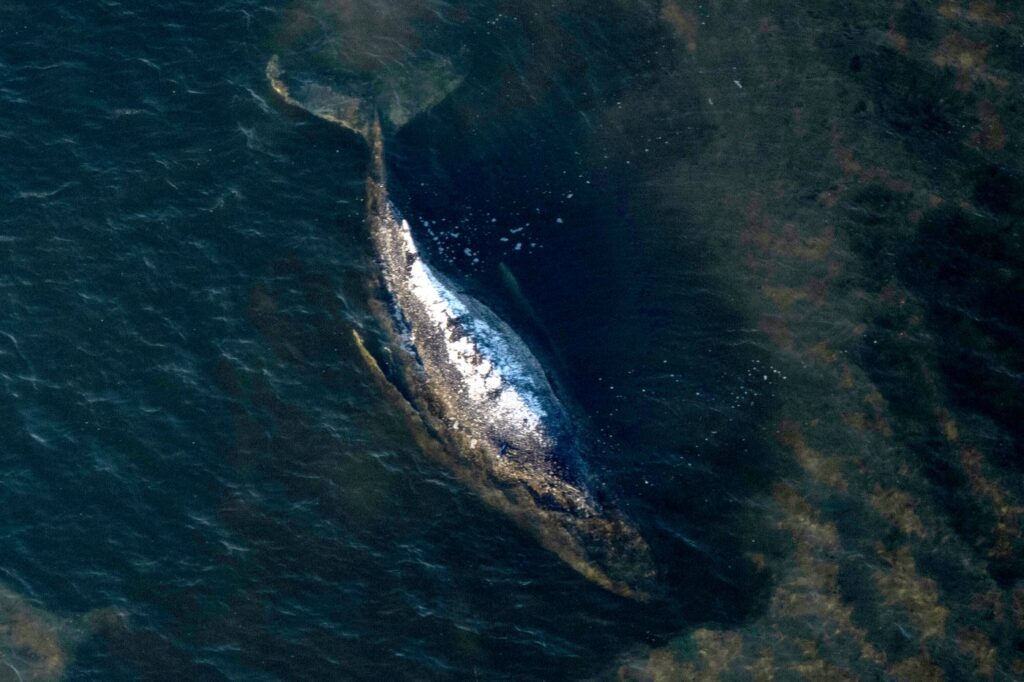
ANHOLT, Denmark (AP) — The story of a humpback whale, which drew widespread attention in Germany for several months, came to a tragic end when its carcass was finally dragged onto a Danish beach on Saturday. This event occurred after two weeks in which the whale's body languished in the shallow waters of the Baltic Sea.
The whale had been affectionately nicknamed "Timmy" and "Hope" by German media outlets, which closely followed its health and condition since it was first spotted off the coast of Germany on March 3. The mammal became a symbol of hope and concern for many as updates about its plight were disseminated through push alerts and live blogs.
On May 14, the whale was discovered dead just off the small island of Anholt, located in the Kattegat, a large strait between Denmark and Sweden that connects the Baltic Sea to the North Sea. Its death marked the conclusion of a dramatic and contentious rescue effort that had been ongoing for months. The height of this effort took place on May 2, when the whale was transferred onto a barge in a last-ditch attempt to guide it back toward its natural habitat in the Atlantic Ocean.
In a statement from the Danish Environmental Protection Agency, it was announced that the whale's carcass would be examined the following week to determine the cause of death. This examination is particularly important given the circumstances of the whale’s stranding and subsequent death.
A Danish news outlet, "News5," provided a livestream of the whale's carcass being pulled onto the shoreline by a truck equipped with a cable. This visual documentation emphasized the public interest and emotional investment in the whale's fate over the preceding months.
The reasons behind the whale's entrance into the Baltic Sea remain unclear. It is well-known that this area is not part of its natural habitat. Experts have speculated that the whale may have lost its way during its journey in pursuit of a shoal of herring or potentially while migrating. This insight further illustrates the challenges that marine species face, especially when their traditional migration routes encounter unexpected obstacles.
The incidents surrounding "Timmy" and "Hope" reflect a growing concern for marine life and the ecological factors that contribute to such unusual events. The story of this humpback whale has resonated with the public, prompting discussions about wildlife conservation and the need for awareness regarding the habitats of oceanic creatures. As the examination of the carcass takes place, further insights may be gained that could help inform future conservation efforts in protecting marine species and their ecosystems.