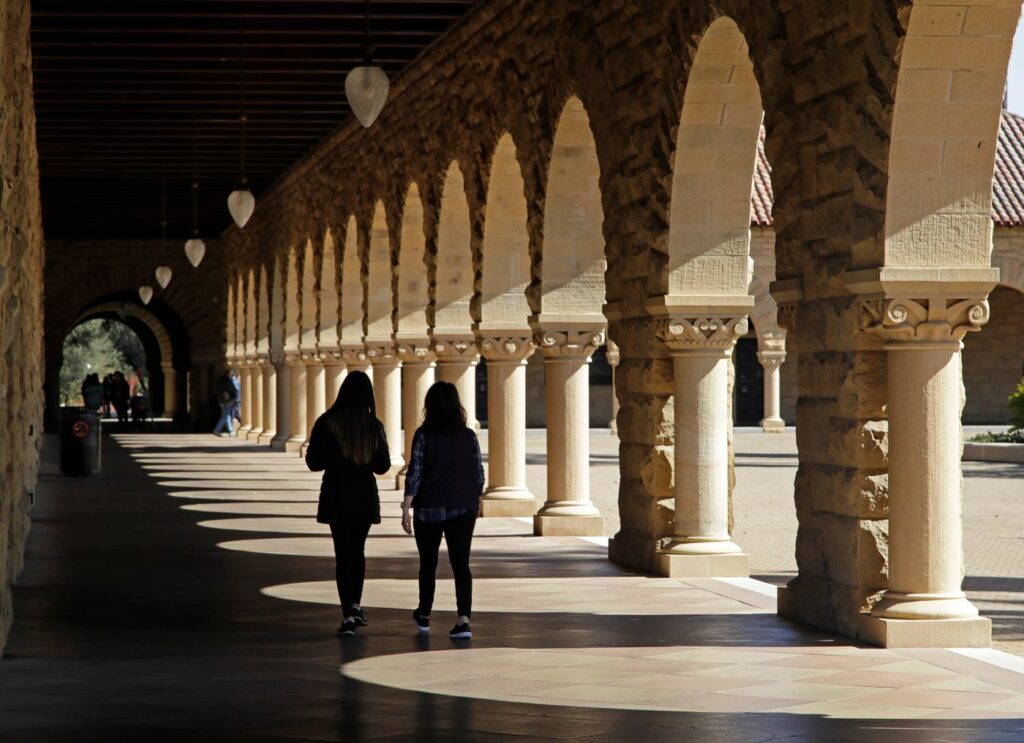
SAN JOSE, Calif. (AP) – A federal judge in California has ruled that the U.S. government is unconstitutionally silencing critics of Israel's war in Gaza, particularly targeting noncitizens who express their views. Judge Noël Wise delivered this ruling on Friday, emphasizing the critical importance of the First Amendment. The decision represents a substantial victory for The Stanford Daily, the student newspaper of Stanford University, which has reported that some international students felt threatened and afraid to speak out due to fears of deportation.
In her ruling, Judge Wise highlighted that "Freedom of speech is illusory if we are only 'free' to express complementary views about the government and its leaders." This observation underscores the necessity of protecting dissenting voices in a healthy democracy. The judge's decision is also in line with a previous ruling by a U.S. district judge in Boston, who found that the actions of the Trump administration targeting noncitizens for deportation solely based on their support for the Palestinian cause and criticism of Israel constituted a violation of the Constitution.
In her statement, Judge Wise affirmed that the freedoms of speech and press are "foundational to America's enduring democracy." By invoking both the First and Fifth Amendments, she struck down certain provisions followed by the federal government regarding deportations. This move was reinforced by instances from March 2025, where U.S. immigration authorities retaliated against individuals supporting Palestinians, as well as those who criticized prominent figures like Charlie Kirk after his assassination in September 2024.
Wise pointed out the alarming potential for broader implications of such government actions, stating, "Tomorrow, or perhaps even today, targets may include anyone in the United States who exercises their freedom of speech to simply express opinions the government does not like." She emphasized that the current trajectory threatens the fundamental rights enshrined in the Constitution, asserting the necessity of protecting free speech, even if such speech is unpalatable.
The Justice Department did not respond to requests for comments on this decision. Meanwhile, George Porteous, editor-in-chief of The Stanford Daily, expressed relief in response to the ruling, stating, “The reporters in our newsroom shouldn’t have to fear that writing a story will result in their deportation. Today’s victory means they won’t have to.”
Conor Fitzpatrick, an attorney with the Foundation for Individual Rights and Expression, which brought the lawsuit, praised the ruling, declaring, “In America, free speech doesn’t just belong to the people who say things the government agrees with.” This sentiment further echoes the court's recognition of the vital role free speech plays in American society.
Judge Wise's decision makes it clear that the government’s tactics have created a chilling effect on college campuses. She noted, “The government has offered a chilling message regarding protected speech – speak out against Israel or in support of Palestinians and we will revoke your visa and deport you,” leading to a silence among noncitizen students. In her findings, Wise reported that noncitizens involved in The Stanford Daily had enrolled to quit, withhold articles, refuse assignments, or request anonymity due to fear of adverse immigration consequences.
She reaffirmed that noncitizens possess the same First Amendment rights as citizens, criticizing the vague standards enforced by the government surrounding foreign policy and immigration. “This is an incomprehensible standard,” she remarked, asserting that everyone deserves clarity about what is permissible under the law.
Ultimately, Judge Wise asserted that the Constitutional right to freedom of speech protects an individual's ability to express views that may contradict prevailing political norms or challenge government policies. This ruling serves as a reaffirmation of the critical role of free expression within democratic society.