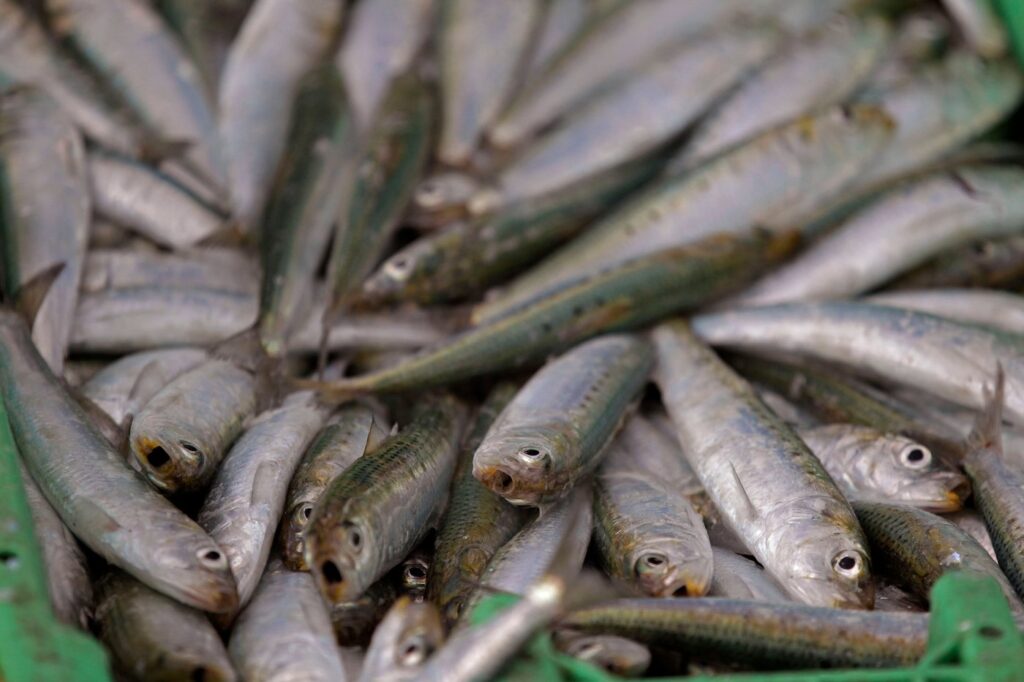
JOHANNESBURG (AP) - In South Africa, scientists are working to understand the cause of mass sardine deaths along the country's west and south coasts, and whether a newly detected herpes virus is to blame. This month, significant numbers of sardines have been reported dead or dying, prompting an investigation by the Department of Forestry, Fisheries and the Environment.
Researchers have determined that this marks the first instance of the pilchard herpesvirus (PHV) being identified in sardines in South African waters. The virus is known to have caused mass mortality events among sardines in Australia during the 1990s. It leads to inflammation and thickening of the gills in sardines, which can severely hinder their ability to absorb oxygen, according to officials from the South African environment department.
It is important to note that sardines and pilchards are essentially the same species, with sardines being the younger and smaller individuals. The department confirmed that PHV is specific to fish and does not pose any risks to human health. Therefore, the presence of the virus does not imply that commercially caught sardines or canned sardine products are unsafe for consumption.
As part of the investigation, dozens of sardines—both live and dead—have been collected from affected regions for analysis at the South African Institute for Aquatic Biodiversity and a local university. Preliminary findings indicate that the dead fish consistently show high levels of PHV, while the live sardines exhibit varying viral loads.
Scientists are also examining other potential factors that could have contributed to the sardine mortality. Potential causes under consideration include the presence of harmful algae blooms, unusually cold sea temperatures, and low oxygen levels in the ocean. However, the environment department has stated that the evidence increasingly suggests PHV is the main factor responsible for the mass die-off.
Dalene Vosloo, a biological sciences lecturer at the University of KwaZulu-Natal, who is not directly involved in the investigation, cautioned against drawing definitive conclusions based solely on the herpes virus. She indicated that it is plausible that a combination of factors, including fluctuations in water quality and temperature, may have made the sardines more susceptible to disease.
The repercussions of the sardine deaths have extended beyond ecological concerns. The Koeberg Nuclear Power Station, located north of Cape Town and the only nuclear power facility in Africa, had to reduce its power output by 50% at one of its units after dead sardines clogged the seawater intake. This development was reported by the national electricity company overseeing the plant's operations.
As the investigation continues, the situation remains under scrutiny, with scientists working to uncover the complete story behind this unusual mass mortality event among sardines in South Africa.