DUBAI, United Arab Emirates (AP) — Israel and Iran exchanged retaliatory strikes early Monday, escalating tensions that could potentially engulf the Middle East in a wider conflict. Iranian missiles were launched towards Israel, prompting authorities to alert the public to seek shelter. Explosions resonated in central Israel as air defense systems were activated to intercept incoming projectiles.
The Iranian assault followed Israeli airstrikes conducted in central and western Iran, marking a significant uptick in hostilities since a ceasefire was established on April 8 amidst ongoing conflicts. Iranian officials had threatened retaliation after Israel's unannounced strike on the southern suburbs of Beirut, a move that defied earlier diplomatic requests from Washington to de-escalate tensions.
As the 100th day of the current conflict approaches since its initiation on February 28, which resulted from the assassination of Iran’s Supreme Leader Ayatollah Ali Khamenei by Israeli and U.S. forces, the fragile ceasefire remains under threat. Iran's control over the Strait of Hormuz and confrontations involving the Israeli military and Hezbollah, a Lebanese Shiite militia, continue to intensify the conflict.
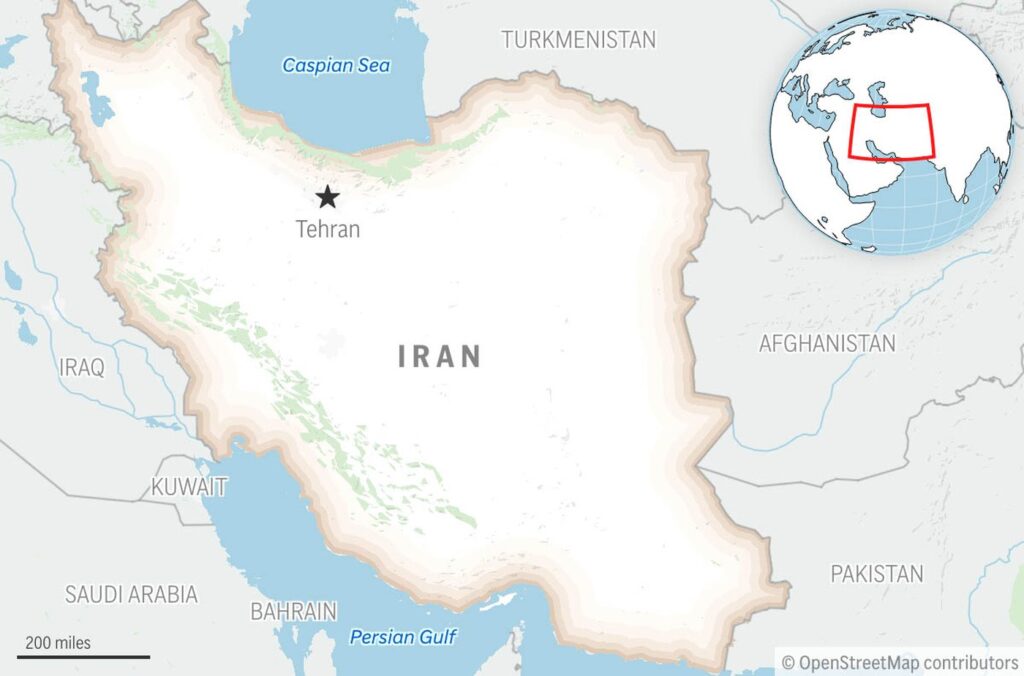
Reports from Iranian state television reported explosions in cities including Isfahan, Karaj, Tabriz, and Tehran, though details regarding the extent of damage or specific targets were not immediately provided. The Iranian Revolutionary Guard indicated that Israel employed air-launched ballistic missiles during its strikes. Meanwhile, semiofficial news agencies claimed that the strikes destroyed a petrochemical facility in Mahshahr, Khuzestan province, a statement later confirmed by the Israeli military.
Earlier in the day, sirens sounded across Israel following a missile launch from Yemen, although Israeli rescue services reported no casualties or material damage resulting from this incident. The missile launched from Yemen is attributed to the Iranian-aligned Houthi rebels, who have previously targeted Israel but had not been actively involved in the ongoing Iran conflict. No immediate claim of responsibility for the latest attack from the Houthis was made.
Furthermore, missile alert sirens were also activated in Saudi Arabia near an airbase housing U.S. forces. Saudi state media later reported that the missile threat had subsided, but no further details were disclosed.
Amidst these developments, U.S. President Donald Trump reportedly reached out to Israeli Prime Minister Benjamin Netanyahu, urging restraint and advising against immediate retaliation following the Iranian missile strike. This intervention is part of ongoing diplomatic efforts to manage the escalating conflict and stabilize negotiations between Iran and the United States regarding a potential ceasefire.
While tensions remain high, Trump expressed dissatisfaction with Israel's strikes in Lebanon, emphasizing that they were not coordinated with the U.S. He further asserted his dominant role in guiding Israel's military actions, stating, “I call the shots. I call all the shots.”
As both nations continue to exchange fire, and with other regional actors like the Houthis getting involved, the risk of a broader conflict spreading across the Middle East remains a pressing concern for international observers and stakeholders involved in the regional dynamics.