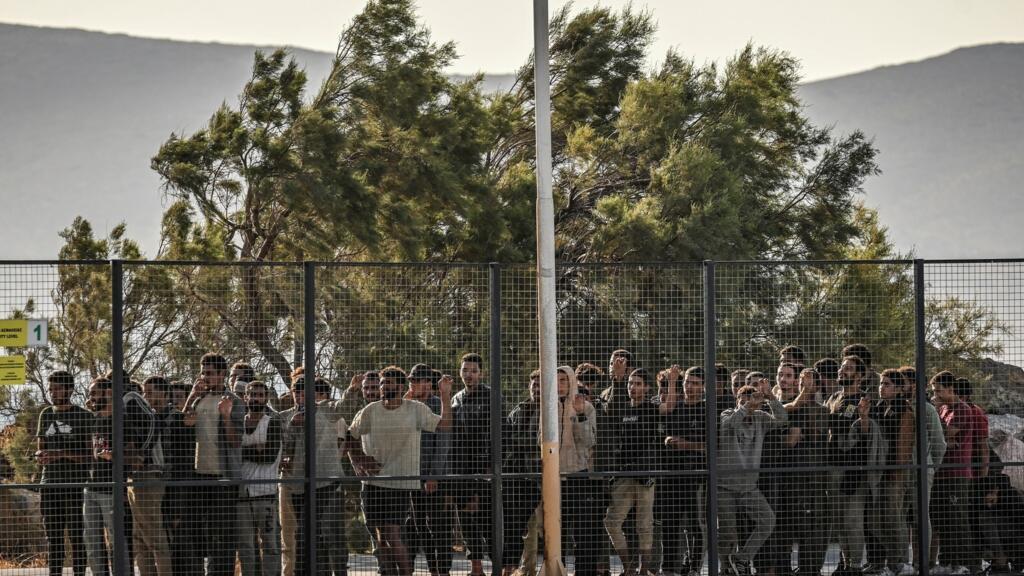
A significant immigration reform within the European Union (EU) is set to come into effect this Friday, marking a pivot in how member states address the rights and protections of asylum-seekers. The alterations, aimed at streamlining immigration processes, have drawn sharp criticism from human rights organizations, which argue that humanitarian considerations are increasingly being overshadowed by political agendas in the EU. This perception is particularly concerning amidst a backdrop of escalating public skepticism and opposition towards migration across various European nations.
The EU's reform initiatives are being implemented in response to growing pressures from member states facing increased inflows of migrants and asylum-seekers. Politicians across Europe are finding it politically advantageous to adopt stricter immigration policies, often reflecting the sentiments of their constituents who are wary of the social and economic impacts of mass immigration. This shift has fueled debates about balancing national security with humanitarian obligations, highlighting a crucial tension in contemporary European society.
As the new regulations take effect, they permit member states to adopt measures that may limit the rights of asylum-seekers, including faster deportation procedures and reduced access to legal support. Proponents of the reform argue that these changes are essential for managing the influx of migrants and ensuring that asylum processes are not exploited. However, critics worry that these policies could lead to increased violations of human rights and a decline in the dignity afforded to individuals seeking refuge from conflict or persecution.
Human rights advocates assert that the new rules effectively strip away vital protections that are crucial for the safety and welfare of vulnerable populations. They contend that many asylum-seekers may be left without the necessary support as they navigate complex legal frameworks, potentially leading to unjust outcomes, including wrongful deportations and denial of legitimate asylum claims.
This reform comes amid growing political unrest and a shifting public sentiment towards migration within Europe. Countries like Italy and Hungary have taken a particularly hardline stance, reflecting a broader trend where populist movements have gained traction by promoting anti-immigration policies. As public opinion hardens against migration, even traditionally more welcoming nations are reconsidering their approaches, resulting in a fragmented landscape of asylum policies across the continent.
Moreover, the implementation of this reform is likely to raise ethical questions concerning the EU's commitment to upholding international human rights standards. With humanitarian crises arising in various parts of the world, including regions plagued by war, persecution, and natural disasters, the tightening of immigration policies may lead to a situation where Europe turns a blind eye to those in need of protection.
The EU's strategies will inevitably affect the overall reception of refugees and asylum-seekers, potentially exacerbating existing humanitarian issues. Advocates for migrant rights stress the importance of maintaining a compassionate response to migration crises, emphasizing that the fundamental principles of human rights and dignity should always guide policy decisions.
In conclusion, the impending immigration reform within the EU represents a pivotal moment in Europe's approach to asylum and migration. As member states begin to implement the new regulations, the tension between national interests and humanitarian obligations will take center stage, challenging the EU’s founding principles of solidarity and human rights amidst a politically charged environment.