ISLAMABAD (AP) — On Friday, Pakistan's Prime Minister Shehbaz Sharif announced that the United States and Iran have reached an agreement on the wording of a potential peace deal aimed at concluding their ongoing conflict in the Middle East. Prime Minister Sharif emphasized that his nation is taking a leading role in mediation efforts and is presently collaborating with both countries to finalize the agreement.
Sharif expressed optimism, stating, "Peace has never been this close as it is now," in a post on social media platform X. This renewed momentum follows a week marked by escalating tensions, during which Iran exchanged fire with the U.S. and Israel over a period of three days, prompting fears of a resurgence of all-out warfare in the region.
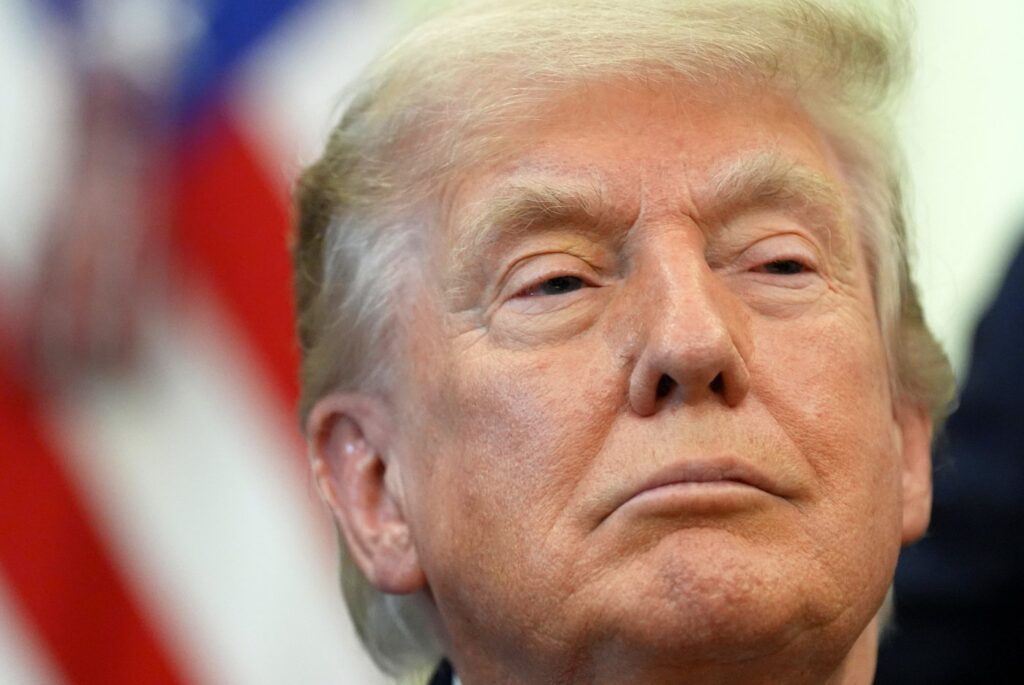
Iranian Foreign Minister Abbas Araghchi corroborated Sharif's claims, suggesting that an agreement is "closer than ever" in a message posted on X. U.S. President Donald Trump, who has frequently maintained that a deal is imminent, even shared Araghchi's post to signal his support.
The hostilities initiated by the U.S. and Israel on February 28 have significantly destabilized the Middle East and disrupted oil and natural gas shipments from the Persian Gulf. Following an initial ceasefire on April 7, negotiations have reignited hopes for a lasting resolution.
Araghchi conveyed on Iranian state television that both parties are close to signing a preliminary agreement to bring an end to the war "on all fronts, including Lebanon." Israel has been engaged in ongoing military conflicts with Hezbollah, an Iranian-supported militia in Lebanon, since early March. Despite the ongoing negotiations, Israeli leaders have reaffirmed their intention not to withdraw from Lebanon.
Crucially, specifics regarding Iran's contentious nuclear program will be addressed following the signing of the initial agreement, with a statement specifying that discussions will occur within a 60-day period thereafter. Araghchi noted that this timeline could be subject to extension depending on negotiations.
The nuclear program has been a contentious issue, with the U.S. and Israel fearing its potential to develop into a nuclear weapon, a primary rationale behind their military engagement. In contrast, Tehran insists that its nuclear ambitions are exclusively for peaceful use. A senior official from the U.S. administration reported that the proposed agreement includes steps for dismantling or removing Tehran's stockpile of highly enriched uranium.
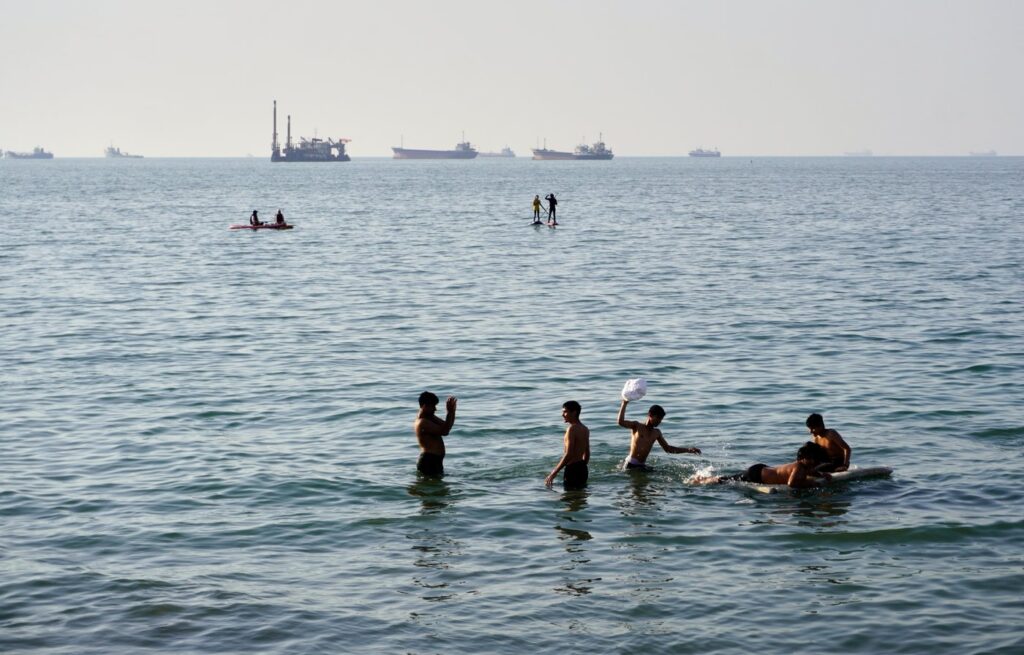
While the specifics of the uranium removal strategy remain unclear, it is understood that a technical framework will be established post-agreement, spanning the 60-day period aimed at details regarding this nuclear issue. Additionally, Iran's previously imposed restrictions on the vital Strait of Hormuz, a key maritime route for global oil and gas supplies, are on the negotiating table.
The Iranian side has expressed intentions for the country to impose charges on vessels traversing the Strait of Hormuz, having introduced a toll system during the conflict, a move criticized by the U.S. and other entities as a violation of international law. "There will be costs involved," Araghchi declared, "and those costs must be paid."
As developments unfold, U.S. Central Command announced on Friday that it intercepted several Iranian attack drones targeting commercial ships in the Strait of Hormuz. There is optimism among regional officials for a signing ceremony of the emerging deal in the immediate days ahead, pending approvals from both Washington and Tehran.
The prospective agreement is also rumored to entail gradual sanctions relief for Iran and the release of frozen Iranian assets. Trump asserted significant advancements in the negotiations while simultaneously threatening to escalate military actions against Iran’s oil operations.
In response to the evolving situation, Israeli Prime Minister Benjamin Netanyahu declared that Israel will not be part of the ongoing negotiations and reaffirmed the shared sentiment with Trump that Iran must not be permitted to acquire nuclear weapons. Israeli Defense Minister Israel Katz articulated expectations that Trump will maintain crucial Israeli interests, including a focus on suppressing Iran's missile capabilities and proxy networks in the region.
The mediation efforts are largely spearheaded by Pakistan, with Field Marshal Asim Munir leading the diplomatic initiative, supported by a coalition comprising Saudi Arabia, Turkey, Egypt, and Qatar.