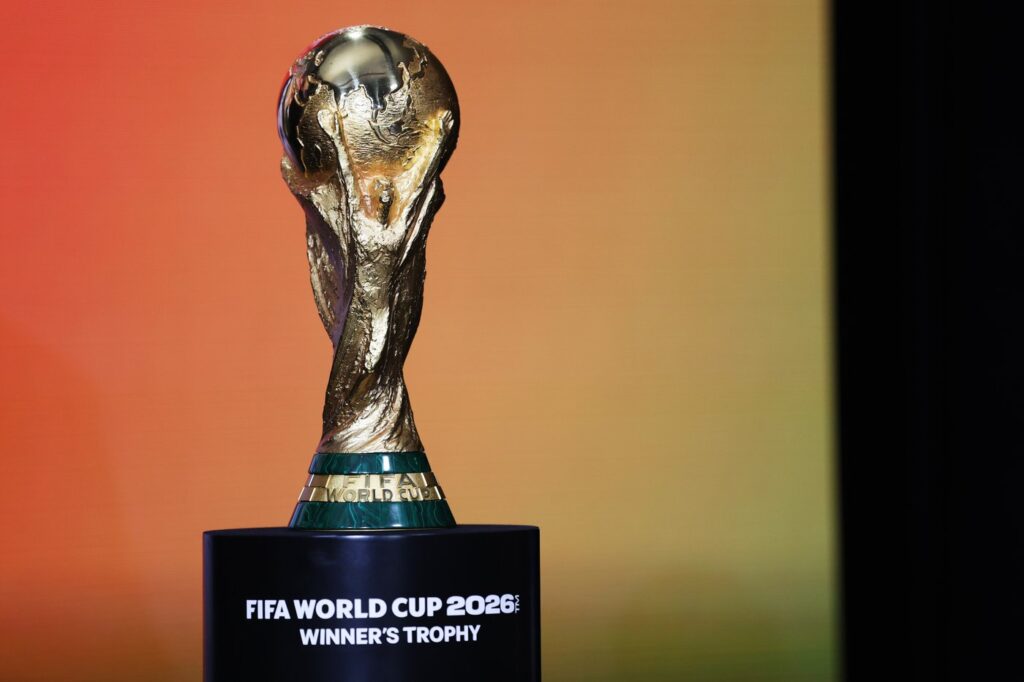
The FIFA World Cup 2026 is set to ignite excitement among soccer fans across North America. As the tournament approaches, it brings not only thrilling prospects for sports lovers but also stark implications tied to strict U.S. immigration policies. The reality of these policies has raised serious questions about the event's nature and accessibility for global participants.
Recently, Omar Artan, a Somali referee, faced an unfortunate situation upon his arrival in Miami. He was reportedly sent back to Turkey after U.S. officials expressed concerns about his alleged contacts with terrorists. This incident highlights the stringent immigration measures currently in place, which pose significant challenges for individuals from certain countries wishing to participate in the World Cup.
In a related development, the Iranian soccer team has encountered its own set of complications regarding their stay in the United States. Reports indicate that they have been advised against staying in the U.S. either before or after their matches. As a result, all of their accommodations will be situated in Mexico, underscoring the growing difficulties faced by teams and officials from nations that have strained relations with the U.S.
In light of these immigration issues, guest host Devang Desai engages with David Gass, the founder and host of Soccerwise. Together, they delve into the implications of these policies and the broader geopolitical tensions that could cast a shadow over the tournament. The conversation sheds light on how politics and sports intertwine, particularly in a high-profile event like the World Cup, which is meant to celebrate global unity and sportsmanship.
As the tournament draws closer, the intersection of soccer and international relations becomes increasingly relevant. These immigration hurdles not only impact individual players and officials but also send a message about the inclusiveness of the event itself. The spirit of the World Cup is deeply rooted in bringing nations together, yet these circumstances challenge the ideal of worldwide cooperation and understanding that sports often represents.
The complexities of immigration policies and their effects on international athletes raise essential questions about the accessibility of the World Cup for all countries involved. While it should be a festival celebrating soccer, unity, and culture, the reality reveals the difficulties that some nations face due to political tensions.
The upcoming World Cup not only serves as a stage for soccer talent but also as a reflection of the ongoing challenges in international diplomacy and relations. As preparations continue, the hope remains that the event will still manage to bridge divides and foster a sense of camaraderie among nations, despite the obstacles presented by immigration policies.
Listeners interested in exploring these themes further can tune into The Big Story podcast, available on platforms like Apple Podcasts and Spotify. This insightful conversation provides a deeper understanding of how immigration issues intersect with the global love for soccer, particularly during such a monumental event as the FIFA World Cup.