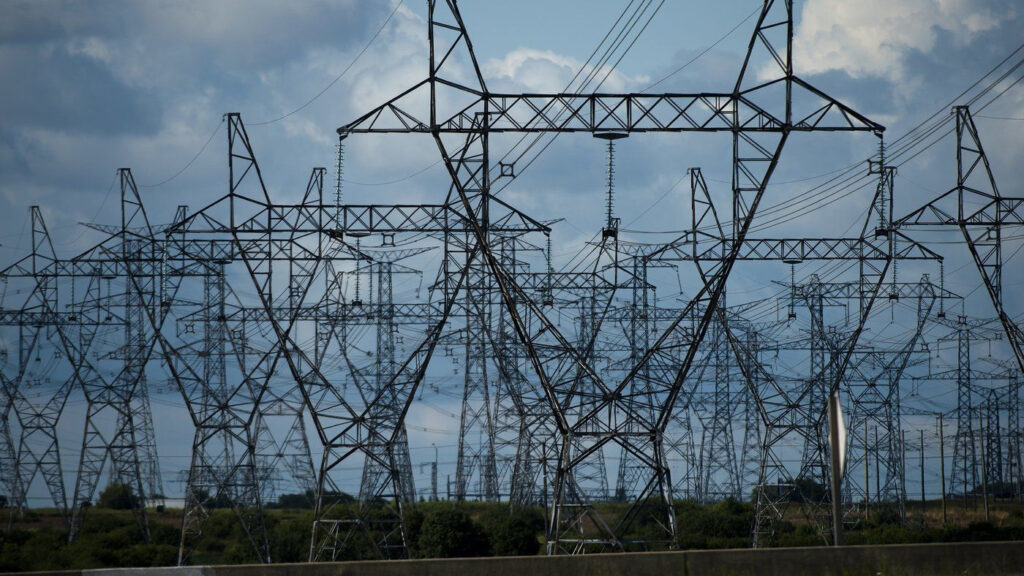
Ontario's previously enacted wage restraint law, known as Bill 124, continues to have significant repercussions throughout the public sector, even years after its repeal. The Independent Electricity System Operator (IESO) is currently seeking to recover $329 million from ratepayers this year, marking a substantial 40 percent increase from the previous year.
This dramatic increase is primarily a result of the reversal of Bill 124 and is not expected to repeat in the coming years. The IESO anticipates smaller increases of nine percent and two percent for the following three-year business plan cycle, as stated in its 2026-2028 business plan.
According to the IESO, "as a not-for-profit corporate entity, this significant increase largely represents a one-time correction to address the structural deficit to bring the IESO back to a balanced budget." After the repeal of Bill 124, the IESO disbursed approximately $45 million in retroactive raises and benefits owed to its employees. However, this funding was sourced from its reserves and debt, as the organization could not request approval for reimbursement through hydro bills due to the timing within its last three-year business plan cycle.
Energy Minister Stephen Lecce has approved the IESO's updated business plan and the accompanying request for funds from ratepayers, which is expected to result in about a 48-cent increase on the average monthly residential bill. This request now awaits approval from the Ontario Energy Board.
Green Party Leader Mike Schreiner remarked on the chaos caused by Bill 124, stating, "It was not worth it. It cost us more, and now our public services are paying the price." Concurrently, numerous community and social services workers represented by the Ontario Public Service Employees Union are currently on strike, advocating for retroactive wage increases to counterbalance the impacts of Bill 124.
Premier Doug Ford's government introduced Bill 124 in 2019, which restricted salary increases for those in the broader public sector to one percent per year over three years in an effort to alleviate the province's multi-billion-dollar deficit. Following the law's implementation, contracts across various sectors—including civil service, nursing, and education—were negotiated under these restrictive conditions. The government ultimately lost a constitutional challenge related to the law, leading to its repeal in 2024.
The aftermath of repealing the law has proven complex, as workers have sought retroactive compensation. Arbitrators have awarded varying amounts based on determinations of what would have been achieved through collective bargaining in the absence of Bill 124. These unexpected financial obligations from retroactive pay have strained budgets across the public sector, with hospitals specifically reporting significant cash flow difficulties.
The wage restrictions imposed by Bill 124 also contributed to staffing shortages in certain areas, particularly nursing, which advocates have highlighted. In 2022, Ontario's financial accountability officer estimated that while Bill 124 would initially save the province $9.7 billion in public sector wages, the long-term costs associated with providing retroactive compensation could amount to $13.7 billion two years later. Additionally, the province incurred $4.3 million in legal fees fighting the court challenge related to the law.
Liberal finance critic Stephanie Bowman criticized the Ford government for attempting to balance the budget at the expense of workers, particularly those in female-dominated professions, stating, "Doug Ford's ill-advised Bill 124 continues to cost taxpayers money and impact front-line services seven years after it was introduced."
A spokesperson for Ontario's Treasury Board Secretariat indicated that the process of providing retroactive compensation is nearing completion. Michelle Burr stated, "Payments have been implemented for all Ontario Public Service employees. For broader public sector employers, the majority of remedies have been reached, and the majority of payments to employees have been provided."