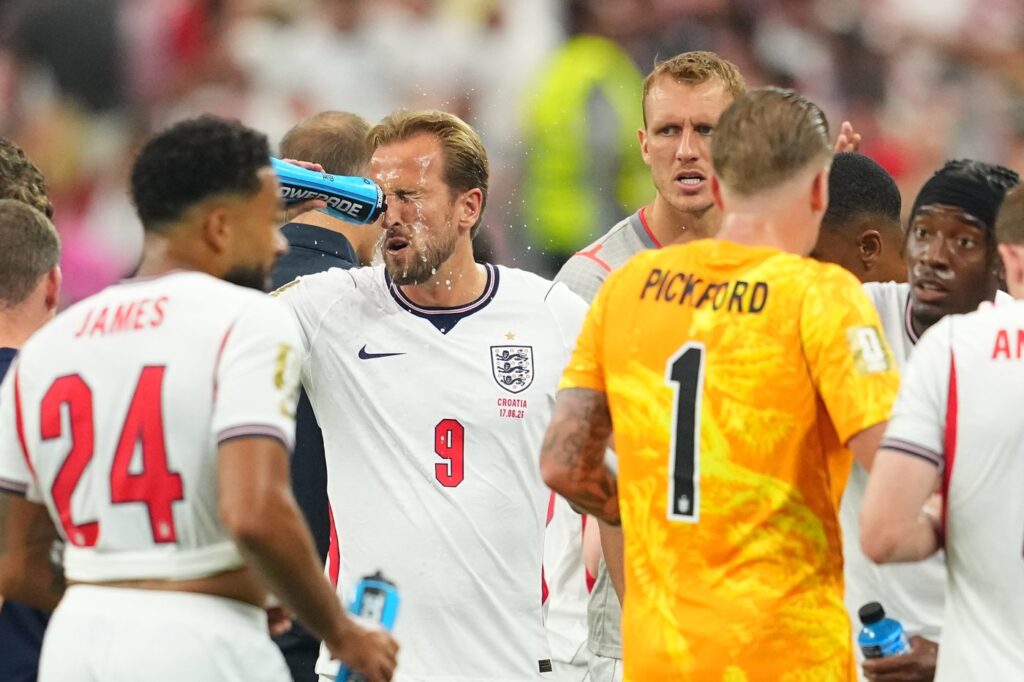
For the first time in World Cup history, FIFA has mandated hydration breaks for all soccer players to combat extreme heat during the tournament co-hosted by the United States, Mexico, and Canada. This decision, which introduces three-minute hydration breaks midway through each half, has been met with criticism from various groups. Experts have raised concerns that this summer's World Cup could be the hottest in the history of the tournament, prompting FIFA to implement these safety measures.
The mandatory breaks are designed to provide equal playing conditions for all teams, irrespective of temperature fluctuations, based on learnings from previous events, including last summer's FIFA Club World Cup in the U.S. Some coaches acknowledged that while the breaks make sense in extreme heat, they question their necessity for every match. Critics argue the breaks disrupt the game’s flow and offer coaches an opportunity to provide instructions and shift momentum, ultimately interrupting fan experiences and prompting broadcasters to cut to commercials.
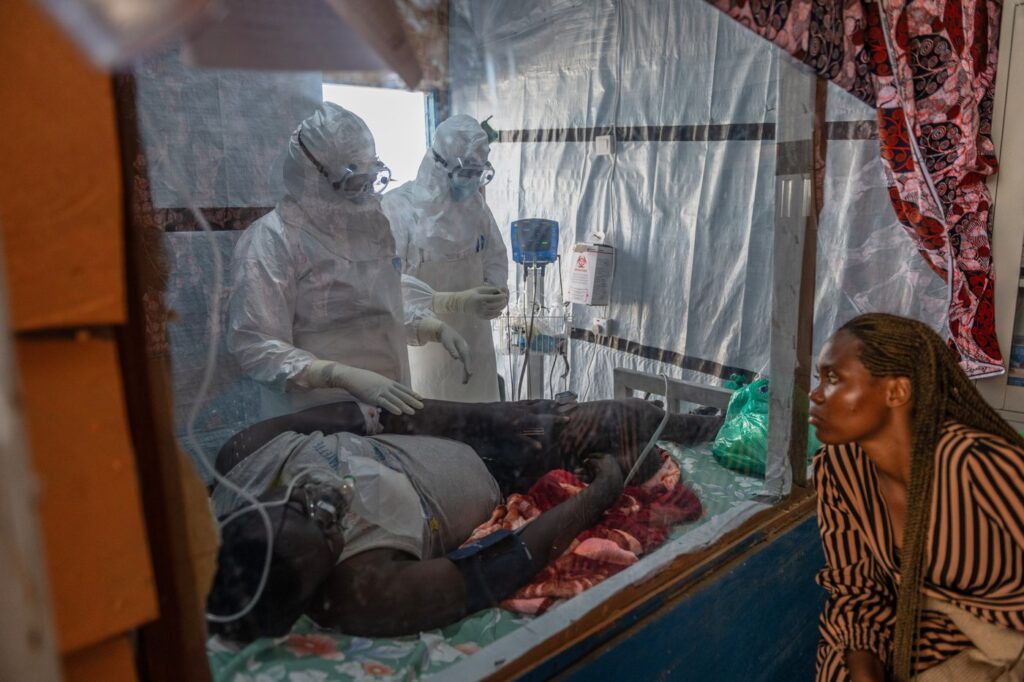
Hydration is critical for athletes, especially in hot conditions where exertional heat illness can occur. This condition happens when the body overheats, straining the heart, muscles, and nervous system. Symptoms such as muscle cramps, fatigue, headaches, dizziness, and severe dehydration can manifest, necessitating immediate medical attention if the internal body temperature exceeds 105°F (40.5°C). Some experts, including Joshua L. DeVincenzo from Columbia University’s National Center for Disaster Preparedness, emphasize that while the three-minute breaks aim to mitigate risks of heat-related incidents, they may be insufficient for adequate cooling and rehydration.
Dehydration exacerbates the risk of heat stress, with athletes losing up to 2 liters of sweat per hour, often consuming less liquid than they lose. Ryan Calsbeek, a biology professor at Dartmouth College, notes that there exists a critical threshold regarding body temperature; when it exceeds 95°F (35°C), athletes may begin to lose their capacity to perform effectively. Calsbeek argues that even slight deficits in performance can significantly impact the outcome of a match, indicating that those who can function better under extreme conditions may have a competitive advantage.
FIFA's three-minute hydration breaks, while intended to maintain player performance and mitigate heat illness risks, have drawn the attention of scientists advocating for longer breaks. Studies indicate that these short intervals may not allow for sufficient cooling or hydration, suggesting that six-minute breaks would be more beneficial. Douglas Casa, CEO of the Korey Stringer Institute at the University of Connecticut, supports longer breaks for effective rehydration, while Julien Périard, director of the University of Canberra Research Institute for Sport and Exercise, emphasizes the need for strategic planning during these short pauses to maximize their effectiveness.
Factors such as the individual's body type will influence how much recovery time is needed, making it essential for breaks to be elongated in response to extreme conditions. Bharat Venkat from UCLA's Heat Lab insists that as global temperatures rise, sports organizations will have to adapt their practices accordingly. He contends that hydration breaks and modifications in scheduling and event formats will be necessary to ensure player safety across all sports.
Overall, as the tournament progresses, the integration of mandatory hydration breaks into World Cup matches marks a significant shift in how sports may need to evolve to prioritize athlete health amid changing climatic conditions.