VANCOUVER, British Columbia – Amid the many large screens showcasing World Cup matches and food stalls offering local dishes like poutine, Vancouver's fan festival prominently features exhibitions honoring the hosting city's Indigenous communities, specifically the Squamish, Musqueam, and Tsleil-Waututh nations. The First Nations have taken on a significant role beyond just the fan festival; they are integral partners in the local World Cup organizing committee, a tradition initiated during the 2010 Winter Olympics.
This collaboration exemplifies the increasing emphasis on Indigenous inclusion at major sporting events. Similar initiatives have been observed at the 2023 Women’s World Cup in Australia and New Zealand and are expected at the 2028 Los Angeles Olympics. Vancouver's primary aim has been to integrate First Nations representatives into the World Cup planning process, thereby enhancing awareness of the Indigenous communities’ cultures and ensuring a lasting legacy from the event.
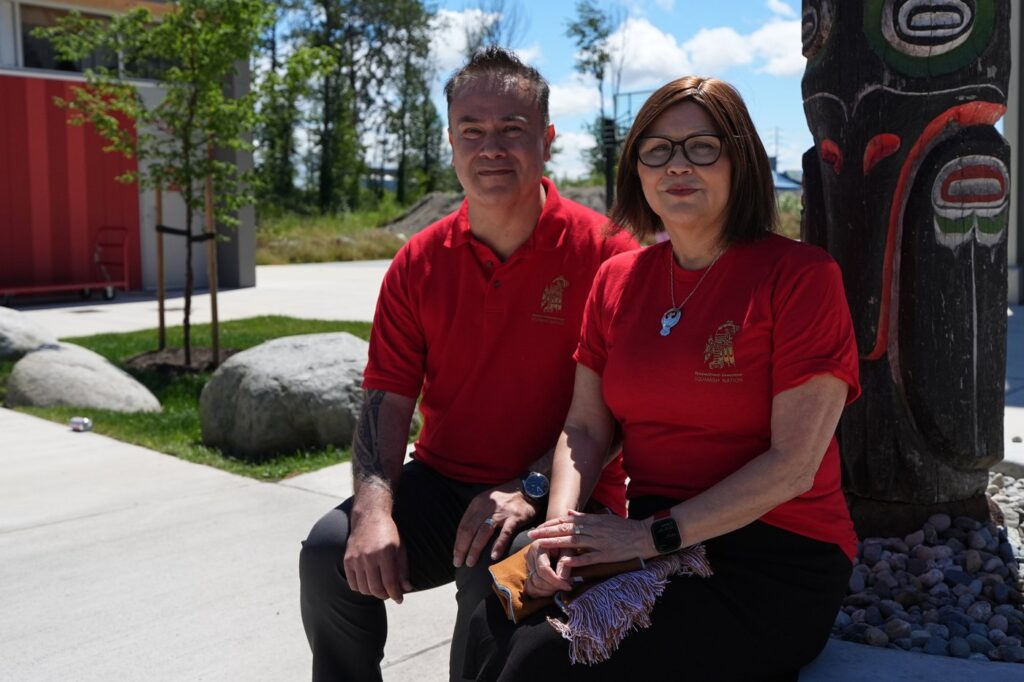
Tewanee Joseph, the major sports, entertainment, and marquee events secretariat for the Squamish Nation, expressed the importance of sharing cultural diversity. He noted that Indigenous communities are not merely part of history but vibrant participants in contemporary society. Joseph, who previously served as CEO of the Four Host First Nations during the 2010 Vancouver Olympics, highlighted that this involvement marked a historic milestone as Indigenous peoples were recognized by the International Olympic Committee as official host partners for the first time.
Other cities have also embraced Indigenous involvement in their World Cup preparations. In Seattle, the Puyallup Tribe served as an official Presenting Legacy Sponsor of SeattleFWC26. Toronto's opening ceremonies featured Indigenous dancers and musician William Prince from the Peguis First Nation, while the fan festival showcased local crafts and art through its Tkaronto Market.
In addition, FIFA has worked alongside the National Fund for the Promotion of Handicrafts in Mexico to endorse Indigenous artisans, who created folk art products inspired by soccer. Ahead of the current World Cup, FIFA has designated Indigenous engagement as a central component of its sustainability and human rights strategy, promoting respectful collaboration with communities across the three host nations.
FIFA has also previously partnered with the Office of the United Nations High Commissioner for Human Rights on the Unite for Indigenous Peoples campaign, which was a central theme of the 2023 Women’s World Cup. The event featured elements from both Australia’s First Nations and New Zealand’s Maori cultures, including the use of Indigenous terms in signage and traditional calls performed before matches. Pre-game ceremonies included welcomes to country by Aboriginal or Torres Strait Islander elders in Australia.
The commitment to Indigenous participation extends beyond FIFA. For the 2028 Los Angeles Olympics, organizers are bringing back lacrosse, a sport rooted in Indigenous history, as a medal event for the first time since 1908. The Haudenosaunee, recognized as the sport's inventors, have made efforts to compete in the LA Games as an independent nation but have yet to achieve this status.
Paula Amos of Indigenous Tourism BC emphasized the importance of outreach during the World Cup, noting that Indigenous tourism boasts a $1.1 billion economic impact on British Columbia annually. Approximately 31% of international visitors seek out Indigenous experiences, and Amos aims to inspire these visitors to return and further explore British Columbia's diverse Indigenous tourism offerings.
As part of their partnership in the event's planning and execution, the three First Nations will receive $6 million for legacy projects, with the Squamish planning to construct a youth soccer field in West Vancouver. However, the most significant legacy may be the cultural pride and visibility achieved during the World Cup.
Joseph expressed his pride in seeing Squamish Nation members actively participating in the celebrations and gaining recognition for their culture. He stated that the interactions between the people and the cultures during the event serve as lasting memories and foster a deeper understanding and appreciation within the broader community.