Global markets have experienced turbulence following renewed conflict between the United States and Iran, marked by military strikes and escalating tensions. U.S. President Donald Trump hinted that fragile negotiations aimed at resolving the situation might be "over." The conflict has significant implications not just for Iranians but also for residents of Israel, Lebanon, foreign inhabitants of Gulf nations, U.S. military personnel, and thousands of mariners navigating the critical Strait of Hormuz.
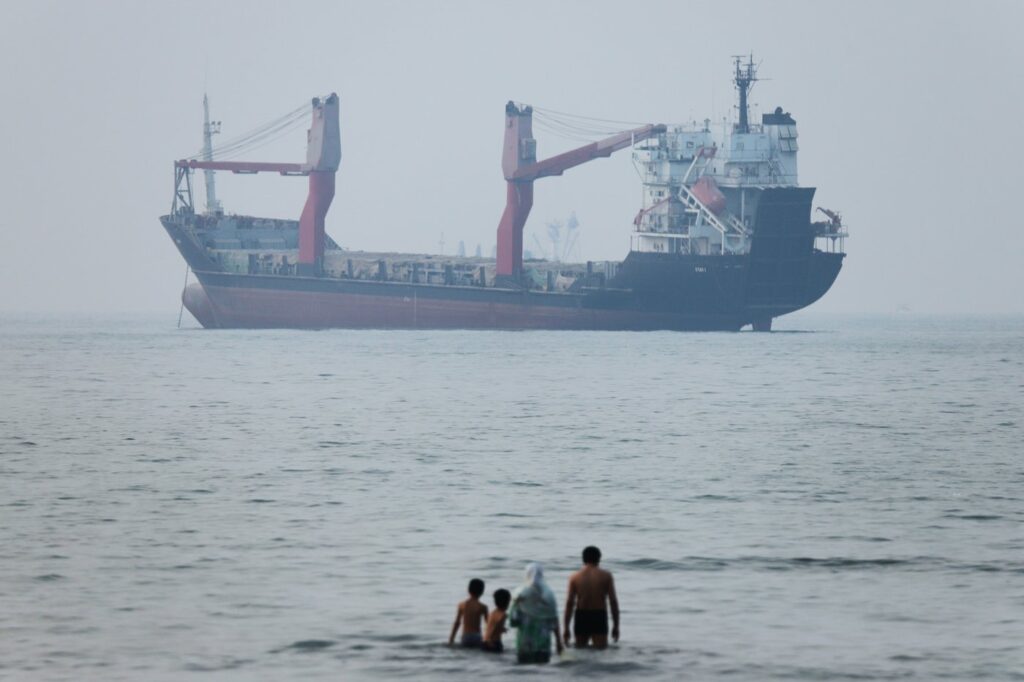
The war ignited on February 28, when Israel and the U.S. launched an attack against Iran, resulting in the death of Iran's Supreme Leader Ayatollah Ali Khamenei and several high-ranking officials. Iran's swift retaliation involved strikes across the Gulf region and an assertion of control over the Strait of Hormuz, a vital conduit for global oil and natural gas supplies.
On March 2, the Iranian-backed Hezbollah militant group in Lebanon escalated the conflict by firing rockets at Israel, prompting Israeli counterattacks and an invasion that occupied significant portions of southern Lebanon. A few days later, Iran appointed Mojtaba Khamenei, one of Ali Khamenei's sons, as the new Supreme Leader. However, reports suggest that he has been in hiding due to injuries sustained during the initial strikes.
By April 7, a fragile two-week ceasefire was brokered, although Israel was excluded from discussions. However, this brief period of peace ended with inconclusive U.S.-Iran talks in Pakistan on April 12. The U.S. then announced a blockade of Iranian ports on April 13, further escalating tensions. Direct diplomatic talks between Lebanon and Israel resumed in Washington on April 14, marking a significant step after decades without formal discussion.
As the situation continued to evolve, Iran claimed on April 17 it had reopened the Strait of Hormuz to shipping, a claim that proved short-lived. By April 21, Trump extended the ceasefire indefinitely but announced a U.S. initiative to guide vessels through the strait on May 3; however, that endeavor also faltered.
The conflict took a turn on May 31, when Israel launched its most extensive ground invasion of Lebanon in over 25 years in response to ongoing Hezbollah attacks. Despite a June 3 agreement to renew a fragile ceasefire, skirmishes resumed shortly after, culminating in Iran's first bombardment of Israeli targets since the ceasefire on June 7.
On June 14, Trump indicated an interim agreement had been reached with Iran, which included a commitment from Tehran to reduce its enriched uranium stockpile in exchange for relief from sanctions on Iranian oil sales. This was followed by a framework agreement announced on June 26 between Israel and Lebanon, perceived as a first step toward peace.
Amid these developments, negotiations continued, with crucial meetings hosted by Qatar on July 1. However, tensions remained high as Iran issued warnings on July 2 regarding oil tanker routes through the strait, emphasizing a potential military response to non-compliance.
The death of Ayatollah Ali Khamenei triggered a days-long funeral on July 4, after which negotiations with the United States were expected to resume. The situation took another dramatic turn on July 7 when Iran was accused of attacking three ships in the Strait of Hormuz, leading to U.S. retaliatory strikes against Iranian targets and a reintroduction of sanctions on Iranian oil sales. Trump declared the ceasefire "over" on July 8, yet emphasized the possibility of continuing negotiations, which raised fears of reigniting the conflict.