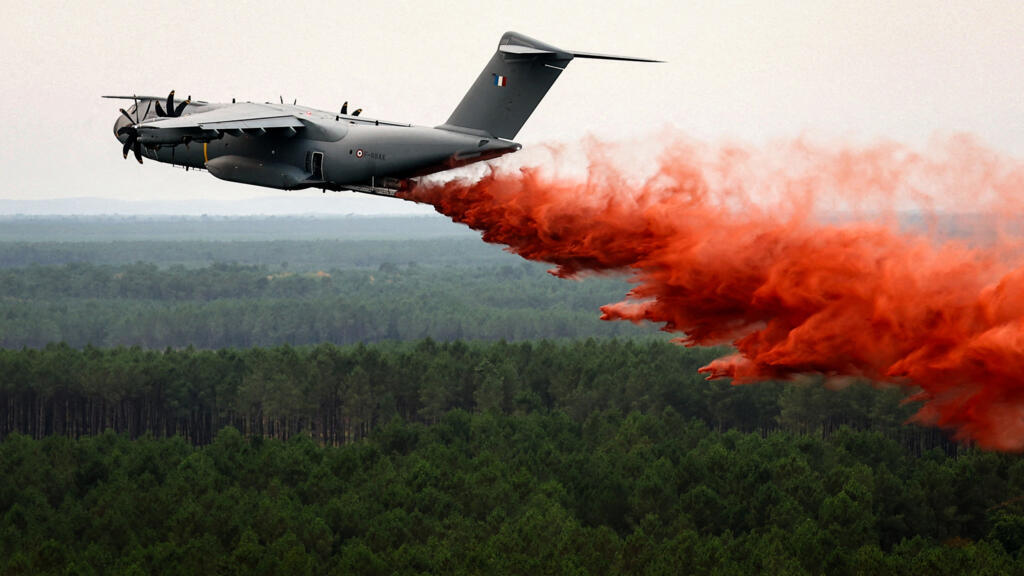
Massive wildfires have swept through southwestern France and central Spain, leading to the evacuation of nearly 260,000 individuals on Saturday. The severity of these wildfires has been exacerbated by extreme heat and prolonged drought conditions affecting the region. As flames engulf vast stretches of land, authorities are ramping up their response efforts, deploying troops and additional firefighting aircraft to combat the rapidly spreading blazes.
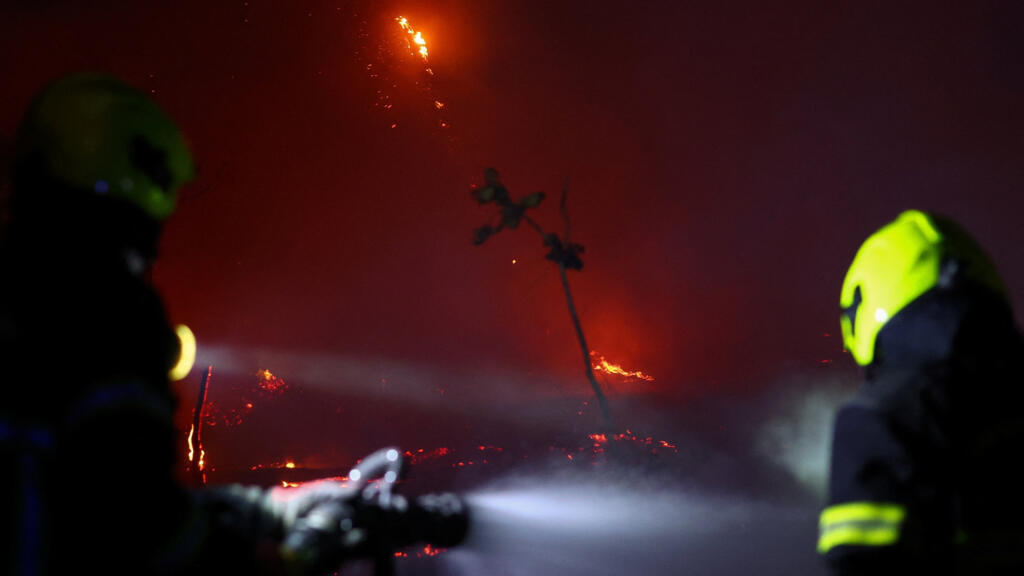
In France, the wildfires have been particularly devastating in several regions, prompting the government to declare a state of emergency. Emergency services are working tirelessly to control the flames, which have destroyed hundreds of homes and vital infrastructure. The situation has been made worse by high temperatures, which have hovered around record levels, creating ideal conditions for the fires to thrive.
Central Spain has also been severely impacted by the wildfires, with firefighters facing difficult conditions as they attempt to extinguish flames that threaten rural communities. Spanish authorities have mobilized their military forces to support firefighting efforts, deploying helicopters and airplanes capable of dropping water on the most affected areas. Local residents have been advised to evacuate immediately, and shelters have been established to accommodate those displaced.
Both nations are facing a challenging battle against the wildfires, with the potential for further escalation as meteorological forecasts predict continued dry and hot weather in the coming days. Local and national governments are under pressure to respond effectively, balancing the immediate needs of affected populations with the longer-term environmental implications of such catastrophic blazes.
This collective crisis highlights a growing concern over climate change's impact on weather patterns, contributing to increased frequency and intensity of wildfires in southern Europe. As scientists warn of the long-term effects of rising temperatures, communities are left grappling with the immediate consequences, including loss of property, displacement, and the urgent need for increased preventative measures in the future.
The large-scale evacuation and firefighting efforts underscore the gravity of the situation in both France and Spain. Communities that once thrived now face unprecedented challenges, and the psychological toll on the residents is immense as they watch their homes and livelihoods threatened by uncontrollable flames. Emergency services remain on high alert, as they continue to monitor the situation closely and respond to new outbreaks of fire.
Amidst the chaos, solidarity has emerged among individuals and organizations as they mobilize to provide support to those affected. Volunteers and local groups are stepping in to assist displaced residents by offering food, shelter, and emotional support in an attempt to alleviate the suffering caused by this natural disaster.
As the situation develops, the focus remains on containment and recovery, with the hope that as rain and cooler temperatures are expected eventually, they will bring some relief to the beleaguered regions of southwestern France and central Spain. The ability to adapt and respond decisively will be crucial in mitigating the impacts of such events in the future.