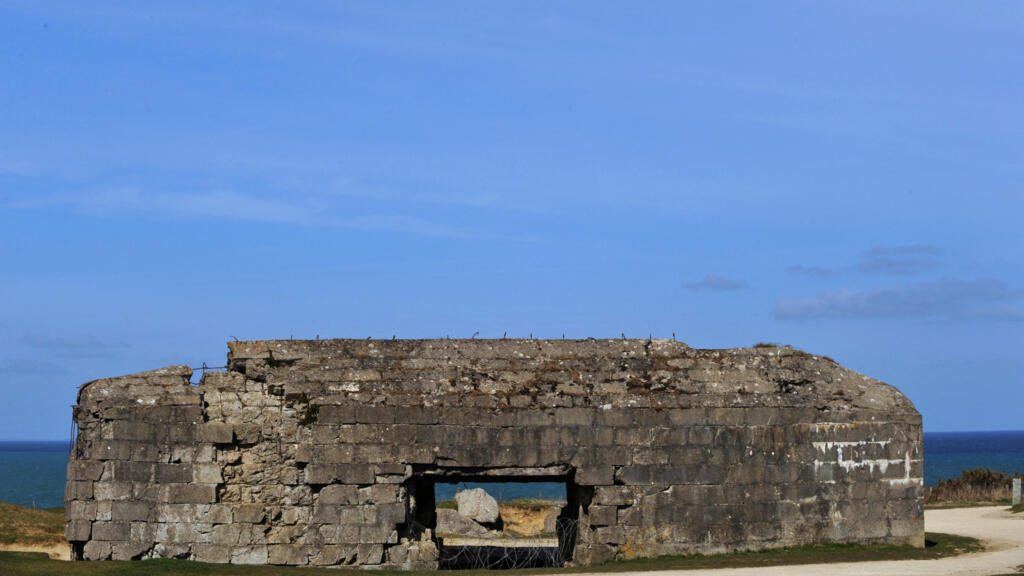
The D-Day landing beaches in Normandy, France, have officially been added to UNESCO's World Heritage List. This important designation recognizes the historical significance of the 80-kilometer stretch of coastline where Allied forces launched their invasion of Nazi-occupied Europe on June 6, 1944. This operation, known as Operation Overlord, was a turning point in World War II that contributed significantly to the defeat of Nazi Germany and its fascist allies.
The decision to include these beaches in the UNESCO World Heritage List highlights their importance not only as a site of military significance but also as a place of remembrance and reflection for those who fought and sacrificed their lives during the conflict. The D-Day landings involved massive logistical planning and coordination among the Allied forces, including troops from the United States, the United Kingdom, Canada, and various other nations. The successful landings at beaches such as Omaha, Utah, Gold, Juno, and Sword paved the way for the liberation of Western Europe from Nazi rule.
Over the years, these beaches have become a symbol of bravery and sacrifice, attracting thousands of visitors each year who come to pay their respects and learn more about the events that transpired there. The recognition by UNESCO aims to preserve and promote the history and memory of the D-Day landings for future generations. By designating these beaches as a World Heritage site, UNESCO acknowledges the universal significance of the events that took place and the lessons that can be learned from this pivotal moment in history.
Moreover, the addition of the D-Day landing beaches to UNESCO's prestigious list underscores the enduring importance of the values of peace, democracy, and freedom that the Allied forces fought for during World War II. It serves as a reminder of the sacrifices made by soldiers from various nations who participated in the invasion, as well as the civilian casualties that occurred during this tumultuous period. The site is not only a historical location but also a living testament to the resilience of those who fought against tyranny and oppression.
In recent years, there has been a growing effort to ensure that the history of the D-Day landings is accurately preserved and conveyed to future generations. This includes the establishment of memorials, museums, and educational programs aimed at teaching people about the significance of the events that took place on June 6, 1944. The new UNESCO designation is expected to aid in these efforts, providing additional resources and support for preservation and education initiatives related to the D-Day landings.
In summary, the inclusion of the D-Day landing beaches in Normandy on UNESCO's World Heritage List marks an important milestone in recognizing the historical significance of the events that transpired during World War II. It not only honors the sacrifices of the Allied forces but also serves as a crucial reminder of the ongoing fight against tyranny and the importance of preserving peace and freedom in the world. The designation aims to foster a deeper understanding of the past and its relevance in shaping our present and future.