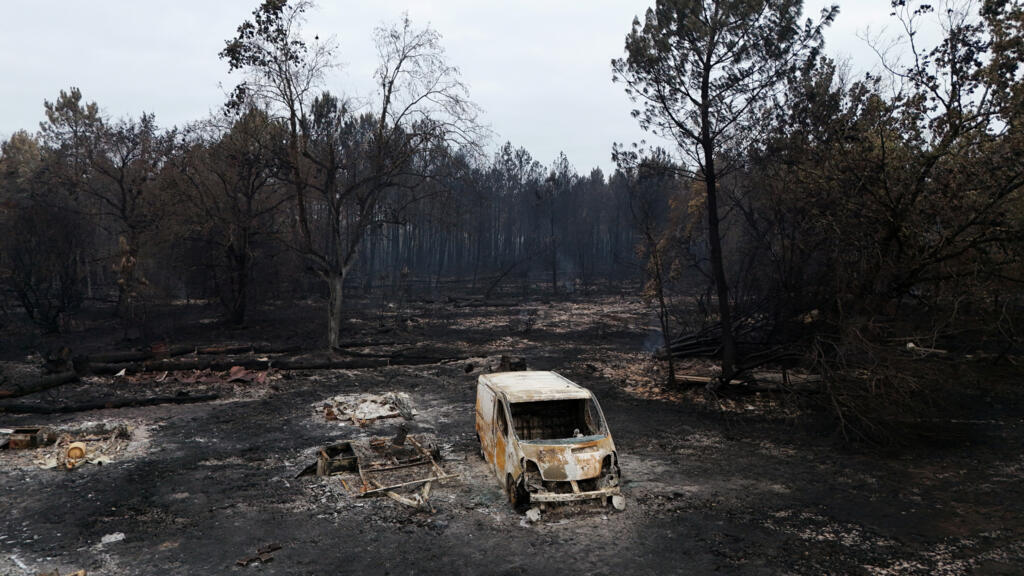
On Monday, French President Emmanuel Macron convened a crisis meeting to address the catastrophic wildfires that have impacted southern France. The fires have caused the evacuation of over 250,000 residents from their homes, prompting authorities to issue warnings for tourists to avoid the affected areas in the southwest. This severe situation highlights the ongoing struggle against wildfires exacerbated by extreme weather conditions, raising concerns about the safety of both residents and visitors.
In addition to the challenges faced in France, nearby Spain is also grappling with devastating wildfires. Spanish Prime Minister Pedro Sanchez is scheduled to visit the fire-stricken regions of Valencia, where firefighters are engaged in combat against a newly ignited blaze. This unfortunate situation in both countries underscores the broader environmental crisis posed by wildfires across Southern Europe, driven by climate change, high temperatures, and prolonged droughts.
Authorities in both nations are working diligently to contain the fires and safeguard communities. In France, emergency services are mobilized to protect vulnerable areas, while the government is assessing the damage and coordinating relief efforts for those displaced by the flames. The urgent response is indicative of the seriousness of the wildfire situation, as families are forced to leave their homes behind in search of safety.
As the crisis unfolds, emergency services and firefighting teams from various regions are being deployed to assist in combating the blazes effectively. Cooperation among local, regional, and national authorities is crucial for effective disaster response, and as the situation develops, more resources are being allocated to tackle these wildfires.
The impact of these wildfires extends beyond immediate safety concerns; they also pose economic challenges to the tourism-dependent regions of southwestern France and Valencia. As tourists are advised to stay away, local businesses that rely heavily on summer visitors face significant losses. The government's call to avoid these areas reflects a proactive stance in prioritizing public safety while managing the potential economic fallout from this disaster.
The wildfires in both France and Spain serve as a stark reminder of the growing frequency and intensity of such natural disasters linked to climate change. These events are likely to become increasingly common, demanding robust policy responses and community resilience strategies to mitigate their impacts.
In conclusion, the ongoing wildfires in France and Spain encapsulate the urgent need for comprehensive strategies to address climate-related challenges. Government leaders are tasked with not only managing the immediate crisis but also implementing long-term solutions to reduce the risk of similar events in the future. This complex situation calls for collective action and international cooperation as communities continue to grapple with the reality of a changing climate and its unpredictable consequences.