WASHINGTON (AP) — U.S. President Donald Trump revealed on Sunday that he chose to delay ordering American military strikes against Iran, primarily due to the urging of Gulf allies, notably Qatar, Saudi Arabia, and the United Arab Emirates. This decision came amidst a tense backdrop of escalating conflict and diplomatic negotiations in the region.
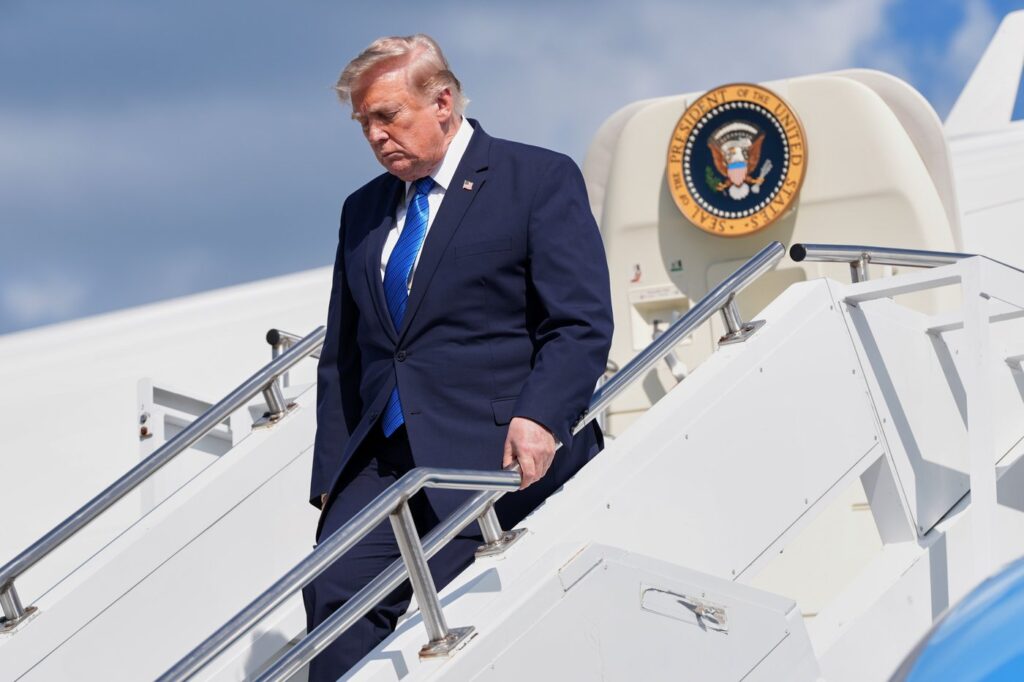
Trump stated that a comprehensive military plan, described as "the biggest attack since World War II," was prepared for execution on Sunday. However, after consulting with important Gulf leaders and receiving a request from unnamed Iranian officials, he opted to prioritize diplomacy, giving negotiations additional time to progress. During his flight back to Washington from his golf club in Bedminster, New Jersey, Trump recounted a conversation with Saudi Crown Prince Mohammed bin Salman, asking him whether a military response was preferable or if they would favor a diplomatic deal. The crown prince reportedly expressed a strong preference for negotiation over military action, highlighting the potential unpredictable consequences of an attack.
In the days leading up to this decision, Trump had expressed concerns regarding the effectiveness of ongoing negotiations with Iran, stating he was "losing faith" and warning that the U.S. military was prepared to respond decisively. Nonetheless, Trump maintained that the emerging diplomatic framework would lead to the reopening of the Strait of Hormuz, a critical artery for global oil and natural gas trade, and would address U.S. apprehensions regarding Iran's nuclear ambitions.
As Iran's tensions with the U.S. escalated, the country had engaged in attacks on vessels transit through the Strait without its approval, a clear assertion of its influence over this vital maritime route. In response to Trump's remarks, Iranian Foreign Ministry spokesperson Esmail Baghaei asserted that the Strait would not revert to pre-war conditions, signaling Iran's steadfast position amid diplomatic pressures. Baghaei also mentioned ongoing discussions with Oman regarding shipping through the strait but dismissed immediate prospects for reopening it.
Trump's announcement marked yet another instance of his fluctuating military strategy towards Iran, as he had previously halted strikes on several occasions since the conflict escalated following U.S. and Israeli attacks on February 28. Iran's defense minister responded to Trump's delay in military action, emphasizing that the Islamic Republic remained vigilant amid perceived threats from the U.S.
Despite presenting a united front in military strategy, internal division appears to be growing within the Iranian leadership regarding negotiations with the U.S. Some factions advocate for a hardline stance against any diplomatic talks, while others are pushing for military leverage to be strategically employed in negotiations.
Trump indicated that he anticipated negotiations to resume "tomorrow afternoon" without specifying who would participate in the discussions. A regional official involved in mediation stated that the proposal discussed would encourage both the U.S. and Iran to return to the negotiating table to settle outstanding issues hampering a potential deal.
The official described the proposal as involving the reopening of the Strait of Hormuz and ceasing hostilities across the region, including attacks by Iranian-backed militias against Gulf countries. In exchange, the U.S. would lift its naval blockade on Iran and permit the country to resume its oil exports, as part of the tentative ceasefire framework.
Although no agreement has been finalized, efforts at mediation remain ongoing. Trump also revealed that Israel is joining his commitment to conclude the conflict by adhering to a ceasefire deal reached in June, though Israel has yet to publicly acknowledge this assertion.
Concerns regarding potential Iranian retaliation were also a focal point of discussion. Crown Prince Mohammed bin Salman communicated his worries to Trump about the repercussions of escalating U.S. military action, emphasizing the risk it poses to the global economy and the stability of U.S. allies in the Gulf. The crown prince sought clarity from Trump regarding prospective military engagements against Iran and reiterated the need for caution in approaching the situation.
Ultimately, Trump reiterated that Saudi leadership, concerned about potential fallout from U.S. military action, had urged him to consider a diplomatic resolution, revealing a collective sentiment among Gulf nations that a peaceful solution would be more beneficial than further conflict.