MONTREAL – A Quebec man, Marc-Aurèle Chabot, who was charged last year with facilitating a terrorist activity, is no longer a member of the Canadian Armed Forces. This development follows his involvement in legal proceedings regarding allegations connected to an anti-government extremist plot.
Chabot was among three individuals from Quebec who were charged in July 2025 as part of a case investigated by the Royal Canadian Mounted Police (RCMP). The police alleged that these men were part of a conspiracy to establish an anti-government militia, reportedly taking significant steps to facilitate activities that could be classified as terrorism.
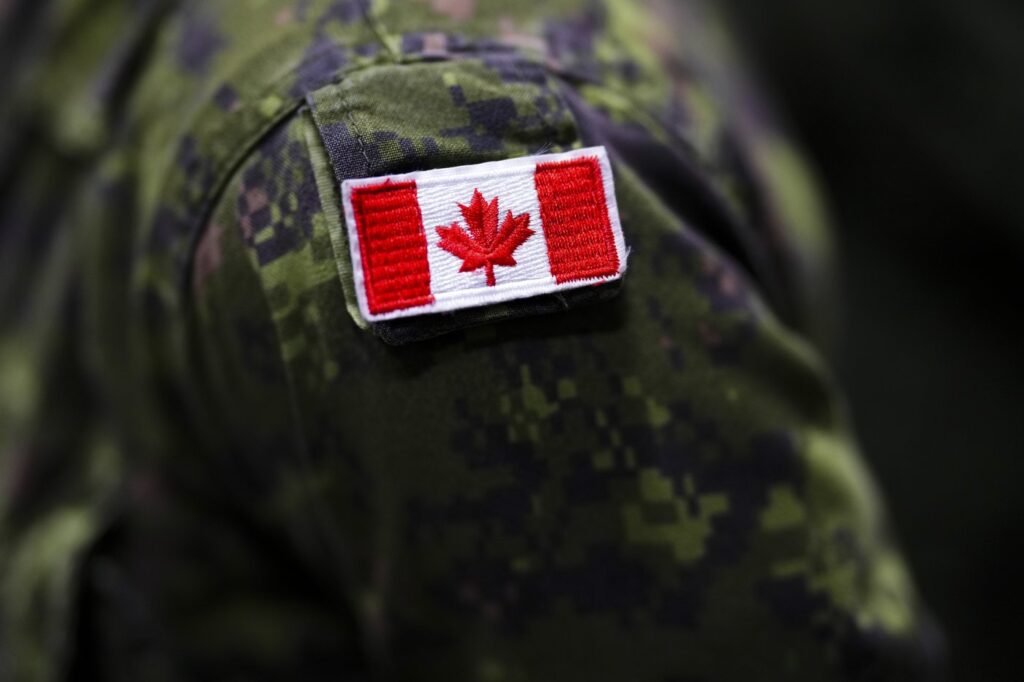
Cheryl Forrest, a spokesperson for the Department of National Defence, confirmed that Chabot is no longer in the military but refrained from disclosing further specifics regarding his departure due to the protections offered by the Privacy Act. Meanwhile, it was reported that a fourth suspect, who is facing separate weapons charges, remains affiliated with the Canadian Armed Forces but is not currently engaged in any military duties.
Previously, the military acknowledged that Marc-Aurèle Chabot had achieved the rank of corporal while serving at Canadian Forces Base Valcartier, located near Quebec City, at the time he faced criminal charges. The charges against him include illegal storage of firearms, possession of explosives, and having prohibited devices; however, it is important to note that none of these allegations have been proven in a court of law.
This case raises significant concerns about the potential radicalization of military personnel, as well as the implications of domestic terrorism within Canada. The involvement of current or former members of the Canadian Armed Forces in extremist activities poses serious questions regarding vetting processes and the monitoring of individuals within the military, especially when they are associated with groups advocating anti-government sentiments.
The continued investigation by the RCMP into this matter highlights the authorities' commitment to addressing potential threats to national security. As the case progresses, the focus will likely remain on understanding the motivations and networks of individuals engaging in such radical activities, as well as ensuring the integrity of military institutions against extremist ideologies.
As developments unfold in the legal proceedings for Chabot and the other suspects, the military and law enforcement agencies may be scrutinized for their protocols and preventive measures in dealing with similar cases in the future. The broader implications of this case extend beyond individual allegations, reflecting ongoing societal concerns about extremism and public safety in Canada.