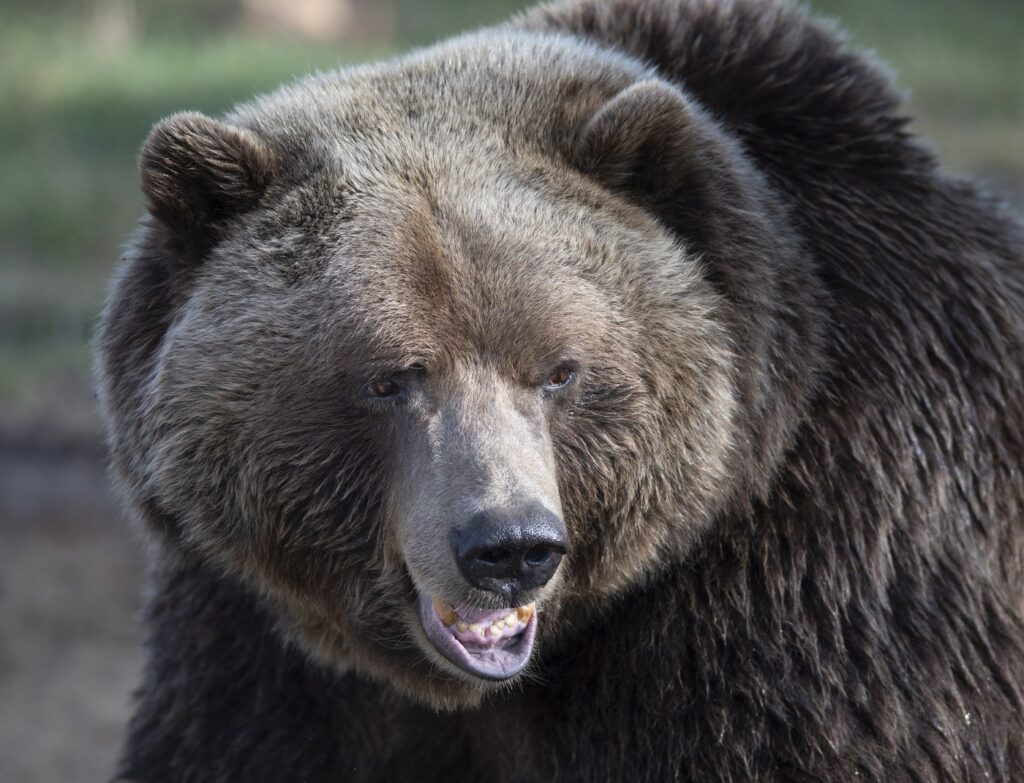
LILLOOET - A 72-year-old woman suffered severe injuries, including a broken neck, after being attacked by a grizzly bear in a remote area of British Columbia's Interior. The incident occurred on Sunday, August 6, 2026, outside of Gold Bridge, approximately 50 kilometers northwest of Lillooet.
The Conservation Officer Service (COS) believes the attack was defensive in nature, caused by a female grizzly bear that likely had at least one cub with her. David McKenzie, the president of Pemberton Search and Rescue, detailed the extent of the injuries, noting that the woman not only sustained a broken neck but also serious cuts to her face and arms. McKenzie stated, “Obviously, a result of the bear batting them around or wrestling with the bear.”
In response to the attack, the COS quickly mobilized a three-member predator attack team along with an emergency-room doctor, who reached the scene by helicopter. After attending to her injuries, they airlifted the woman to Vancouver General Hospital for further treatment.
The rescue mission was complicated by active wildfire fighting occurring in the area at the time. Additionally, the team was required to obtain permission from Transport Canada to land their helicopter safely near the site of the incident. This added layer of logistical challenge underscored the difficulties faced during the emergency response.
Following the incident, conservation officers returned to the site on Monday to conduct a thorough investigation and to retrieve the victim's personal belongings. Notably, authorities indicated that no bears had been removed or killed following the attack, and they did not plan to set up any capture devices in the area.
As a precautionary measure, warning signs have been installed in the vicinity to alert visitors of potential bear activity. The Conservation Officer Service has also advised hikers and outdoor enthusiasts to inform others about their travel plans and to adhere to best practices for wildlife safety. This includes knowing how to behave during an encounter with wildlife, particularly in regions known for bear activity.
This incident highlights the ongoing interactions between humans and wildlife in remote areas of British Columbia, reminding the public of the importance of safety measures when traversing through bear habitats.