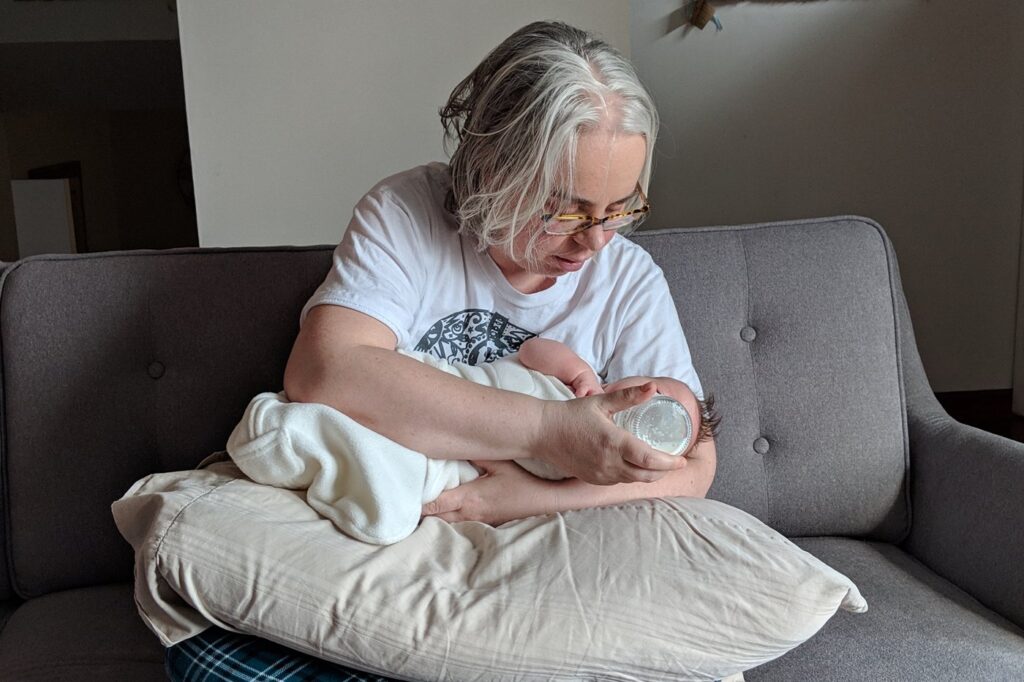
About two weeks after giving birth, Bridget María Chesterton found herself in a disorienting state, curled on the bathroom floor and questioning, "What’s going on?" What began as a joyous moment quickly devolved into a medical emergency, marking the onset of her battle with postpartum psychosis.
The diagnosis of postpartum psychosis—a severe mental health condition that is rarer than postpartum depression—came after her hospitalization. This disorder has gained considerable attention following the high-profile case of Lindsay Clancy, a Massachusetts mother facing charges for the tragic deaths of her three children. The primary issue at hand is whether Clancy's mental health struggles, particularly postpartum psychosis, influenced her actions.
Occurrence rates for postpartum psychosis are estimated at 1 to 2 out of 1,000 women post-delivery. While most women with this condition do not harm their children, severe cases can lead to self-harm or child harm. Chesterton emphasizes that her situation could have worsened without appropriate medication and a strong support system from her family.
The 52-year-old history professor residing outside Buffalo, New York, is determined to raise awareness about postpartum psychosis, confronting misconceptions that deem it an exaggerated concern. To share her journey, she has authored a poem about her experience set to be published in a journal later this fall. Chesterton passionately advocates for societal change in discussing mental health challenges related to motherhood, stating, "It’s something that we do not talk about as a society." She stresses, "I’m not embarrassed about what happened. I want people to know about it."
Bridget María Chesterton and her husband, James Fitzsimmons, longed for a child and underwent fertility treatments for several years. When Chesterton finally became pregnant in her mid-40s, she faced severe asthma complications, culminating in a premature C-section delivery of their daughter in January 2019. The challenges surrounding the pregnancy made her experience profoundly stressful, saying, "Everything about bringing her into the world was awful; it was the longest seven months of my life."
After the birth, their daughter was taken to the neonatal intensive care unit, where she remained for considerable time. Initially, Chesterton appeared fine following her discharge, but her mental state deteriorated dramatically. On the day Fitzsimmons found her disoriented on the bathroom floor, she was unable to remember fundamental aspects of her life, even claiming "it’s meditation day," despite having no prior engagement with meditation. Concerned, Fitzsimmons reached out to Chesterton's mother, Maria, who rushed to the hospital.
Maria recounted her shock when she noted her daughter's disconnection: "She didn’t even remember having a baby. She knew us vaguely." Symptoms of postpartum psychosis typically include disorganized thinking, delusions, and potential paranoia or agitation. Unlike postpartum depression—which affects about 1 in 7 women—postpartum psychosis poses a more immediate mental health emergency.
Chesterton was admitted to BryLin Hospital in Buffalo, known for its crisis mental health services, for approximately two weeks. Her family supported her recovery, with her mother often visiting and bringing food and treats. Upon her release, however, she quickly relapsed, becoming highly disoriented and needing to be institutionalized involuntarily for another two weeks.
Throughout her treatment, Chesterton believes that antipsychotic medication played a vital role in her recovery. However, she emphasizes that her family's ongoing support was equally critical. Once her baby came home after nearly two months in the NICU, she was surrounded by her husband, parents, and even a postpartum doula to aid her in adjusting to motherhood.
Dr. Emily Williams, one of Chesterton’s medical providers, pointed out that family involvement is crucial during the postpartum period, stating, "The more hands on deck, the better." Over the subsequent months, the fog began to lift, and gradual improvements in Chesterton's condition were observed, culminating in a fuller recovery by her daughter’s first birthday.
Dr. Williams commended Chesterton's family for acting swiftly in response to troubling symptoms. She noted the importance of recognizing such serious mental health issues rather than attributing them to fatigue or conventional stressors. Maria echoes this sentiment, advising families to remain vigilant for symptoms of postpartum psychosis and to unite in supporting loved ones' mental health.
The Associated Press Health and Science Department, with assistance from the Howard Hughes Medical Institute and the Robert Wood Johnson Foundation, continues to shed light on these pressing health topics, aiming for a greater understanding of mental health during and following pregnancy.