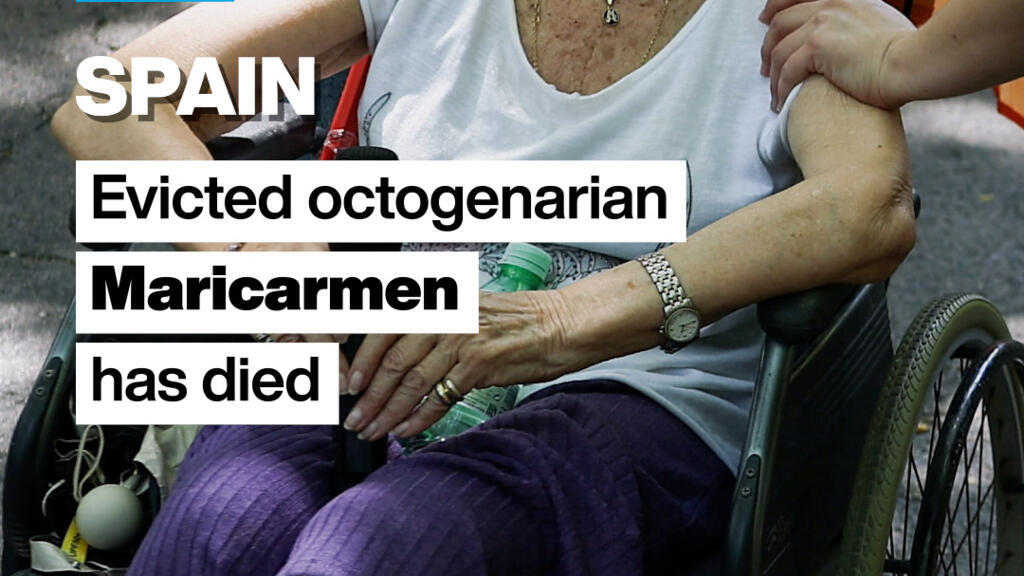
María del Carmen Abascal, an 87-year-old woman from Madrid, passed away on Wednesday while hospitalized. Her death comes shortly after her eviction from her long-term residence, which ignited widespread protests across Spain and led to a significant political crisis within the country. Abascal had become a symbol of the struggle against eviction and the housing crisis that has affected many citizens in Spain.
Abascal's eviction, ordered by the court, resulted in a strong public backlash. Activists and citizens rallied in support of her, highlighting the growing concern over housing insecurity. The protests not only brought visibility to Abascal's situation but also raised awareness about the broader issues concerning eviction practices and the rights of tenants in Spain. The emotional turmoil surrounding her case resonated deeply with many Spaniards, leading to a surge of demonstrations across major cities.
In the days leading up to her passing, Abascal had been receiving medical treatment in a hospital, where she ultimately succumbed to her health issues. Her case had drawn the attention of media outlets and political figures, making her a focal point for those advocating for housing reform. Spain has been grappling with a significant housing crisis, exacerbated by rising rents and a shortage of affordable housing, which has left many individuals and families vulnerable to eviction.
The political ramifications of her eviction were palpable, as various parties sought to capitalize on the situation. Lawmakers debated policies and proposed measures aimed at protecting tenants from arbitrary evictions. Abascal’s plight underscored the urgent need for legislative action in Spain to address the challenges posed by a fragmented housing market that many argue favors landlords over tenants.
Protests organized in response to her eviction saw thousands take to the streets, holding placards that read "No one should be left without a roof." This movement brought together diverse groups advocating for social justice and housing rights. Not only did these protests highlight the immediate issues of eviction, but they also pointed to the systemic problems within the housing and economic systems in Spain.
María del Carmen Abascal’s story is a tragic reminder of the human cost of eviction and the ongoing housing crisis that has affected numerous families across Spain. Her death is likely to reignite the discussion around housing policies and tenant protections, as her legacy may inspire further activism in pursuit of justice for those facing similar circumstances.
In conclusion, the situation surrounding María del Carmen Abascal serves as a critical case study for understanding the intricate dynamics of housing rights in Spain. As her death reverberates through the nation, it will undoubtedly prompt renewed calls for political action and reform regarding the treatment of tenants and the preservation of their homes.