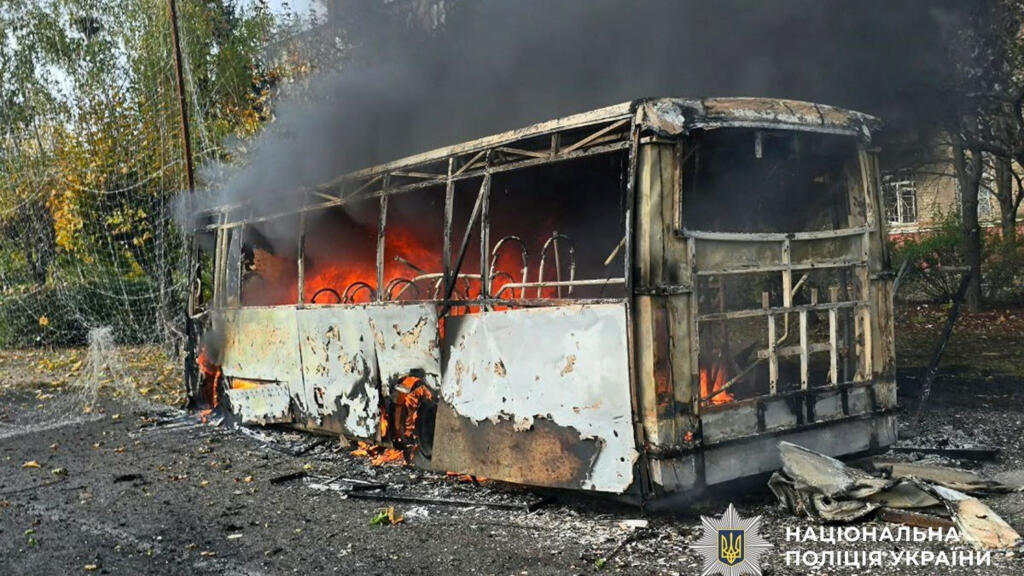
At least 30 people were killed in a devastating Russian strike on two buses in the Ukrainian city of Kramatorsk on Thursday. This attack occurred amid ongoing hostilities in the eastern region of Donetsk, where violence has been rampant due to the conflict between Ukraine and Russia. The strike targeted civilians, underscoring the dangers faced by ordinary people in the war-torn area. Eyewitness reports indicate that the buses were crowded with passengers, raising the toll of casualties and injuries even higher in an already tense situation.
The tragic event in Kramatorsk is part of a broader pattern of violence affecting civilians throughout the region. Local authorities have condemned the attack, expressing outrage over the continued targeting of non-combatants and infrastructure. The images emerging from the scene highlight the scale of destruction, with wrecked vehicles and injured individuals in desperate need of medical assistance. Rescue operations are ongoing, and emergency services are working tirelessly to assist victims and recover the dead.
Earlier on the same day, a separate incident occurred when a drone struck a data centre belonging to the Russian technology company Yandex. The drone attack led to a fire, although details regarding casualties or the extent of the damage were initially unclear. This incident highlights the evolving nature of warfare, where drone technology is increasingly utilized in the ongoing conflict, affecting both military targets and civilian enterprises.
The dual attacks illustrate the deepening crisis in the region as both sides of the conflict engage in actions that escalate tensions. The use of drones and missile strikes represents a shift in tactics that raises questions about the humanitarian implications of ongoing military operations. The situation continues to be fluid, with potential for further escalation as both Ukrainian and Russian forces respond to these incidents.
Kramatorsk, located in eastern Ukraine, has been a focal point during the current conflict, with its strategic location making it a target for military operations. Civilian life in the city has been profoundly impacted since the onset of hostilities, with many residents living in fear of bombings and strikes. Infrastructure damage from the conflict complicates efforts to provide essential services to the population, leading to urgent calls for international assistance.
As the war enters another phase characterized by increased violence and complex military strategies, the humanitarian crises escalates. International leaders continue to monitor the situation closely, advocating for de-escalation and a return to negotiations aimed at achieving a peaceful resolution to the conflict. However, the latest events raise significant concerns about the immediate safety of civilians in conflict zones and the potential for further tragic losses in the future.