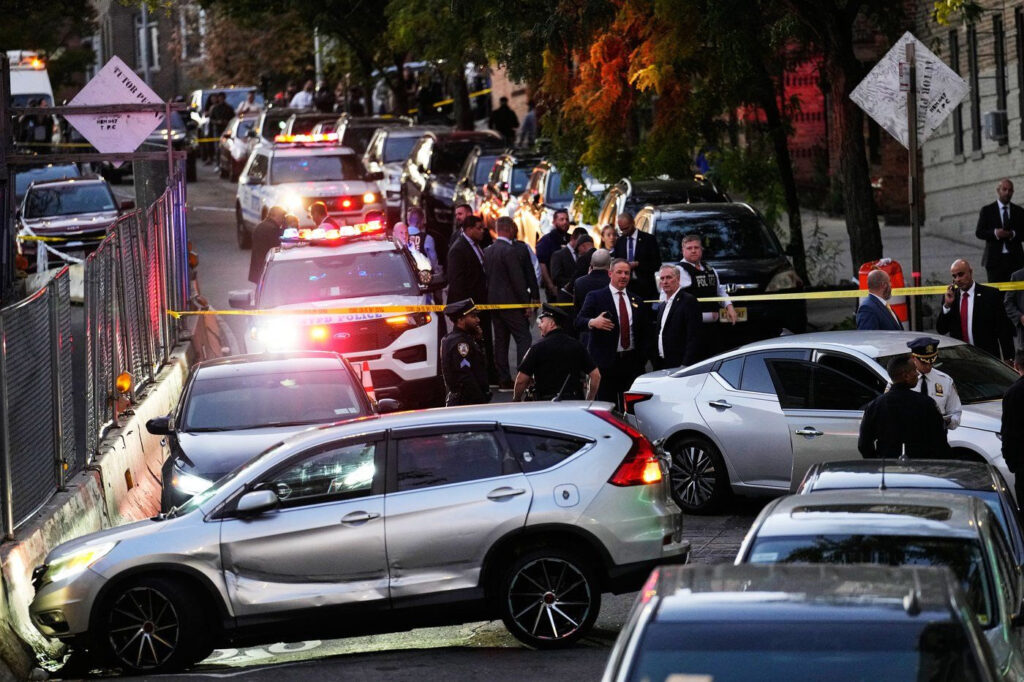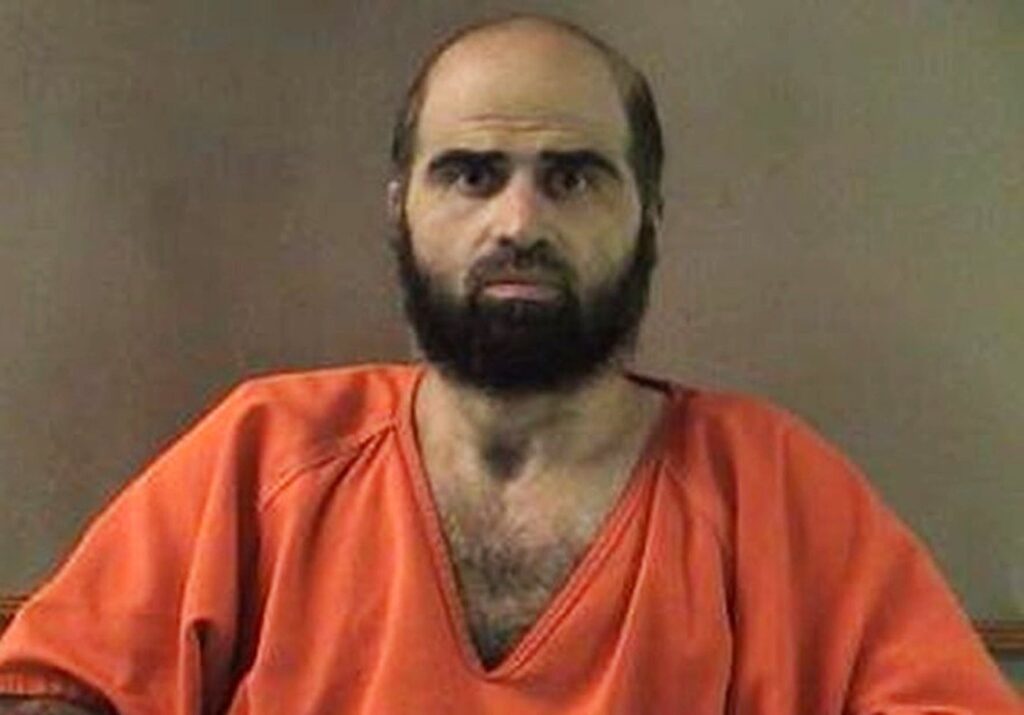
On Thursday, the Pentagon announced a controversial decision to livestream the execution of Nidal Malik Hasan, the individual responsible for the 2009 Fort Hood shooting that resulted in the deaths of 13 people and injuries to 32 others. This execution, scheduled for December 3 at Fort Hood, marks the first military execution in the United States in over 65 years.
Defense Secretary Pete Hegseth confirmed that Hasan's execution would be made public, presumably to ensure transparency. In an interview with Real America’s Voice News, Hegseth stated, "We’ll make sure that people are able to watch it." The Pentagon later clarified that this would indeed include a livestream, with more details to be released in the future. The approach has sparked renewed debate around the methodology of the death penalty in the U.S., especially following recent controversies surrounding execution procedures, such as the botched lethal injection of Christa Pike in Tennessee.
Legal experts have provided varying opinions on the implications of livestreaming a military execution. Eugene R. Fidell, a military law expert from Yale Law School, noted that Hasan could potentially seek to delay his execution by filing a habeas petition in civilian court. "It frankly might outlast the current administration," he suggested, raising questions about the future of capital punishment under subsequent administrations.
Deborah Denno, a Fordham University law professor specializing in the death penalty, argued that livestreaming could enhance the transparency of the capital punishment process, allowing the public to witness all aspects of the execution. Although she acknowledged the need for discussions regarding potential viewing restrictions due to the graphic nature of the event, she emphasized that the transparency could assist in informing public discourse around capital punishment.
Conversely, Elisabeth Semel, co-director of the Death Penalty Clinic at UC Berkeley Law, raised serious concerns regarding the dignity of the defendant and the government's motivations behind such a spectacle. Semel remarked on the rarity of a government-initiated decision to publicly broadcast an execution, and expressed skepticism about the administration’s consideration of the legal and social implications of this choice.
Donald Trump, who approved Hasan's execution, has previously criticized public executions in Iran, contrasting them with his administration's approach. As head of the Pentagon, Hegseth responded dismissively to questions regarding Hasan's potential final requests, simply stating, "Don’t care. We’ll see him on Dec. 3."
Nidal Malik Hasan, a former Army psychiatrist, was paralyzed from the waist down after being apprehended following the shooting spree. During his trial in 2013, Hasan acknowledged his role as the shooter but was barred from presenting his motivations as part of his defense. Legal experts now speculate on his potential response to the impending execution, especially in light of his expressed desire for martyrdom.
John Galligan, a former military judge who has interacted with Hasan, raised concerns about the latter's access to legal counsel in light of the upcoming execution. Galligan stressed that Hasan had not received adequate legal representation during the notification process about his execution date. The Army's response indicated efforts were made to reach Hasan's military attorneys, but no civilian counsel was available at that time.
As noted by Hegseth, the last military execution was conducted in 1961, when Army Pvt. John Bennett was executed by hanging. Amnesty International's recent report indicated a troubling trend in public executions, with at least 17 cases reported in 2025, including 11 in Iran and six in Afghanistan. The current situation surrounding Hasan's upcoming execution continues to incite much debate over the ethical and procedural implications of the death penalty in the United States.