VATICAN CITY (AP) — The recent election of Pope Leo XIV has sparked hope for a revitalized Catholic Church following the tumultuous pontificate of Pope Francis. With a healthier and younger leader at the helm, many anticipated that Leo, elected at 69, could steer the Church effectively for years. However, the announcement of his lung cancer diagnosis has cast uncertainty over his potential to fulfill this vision.
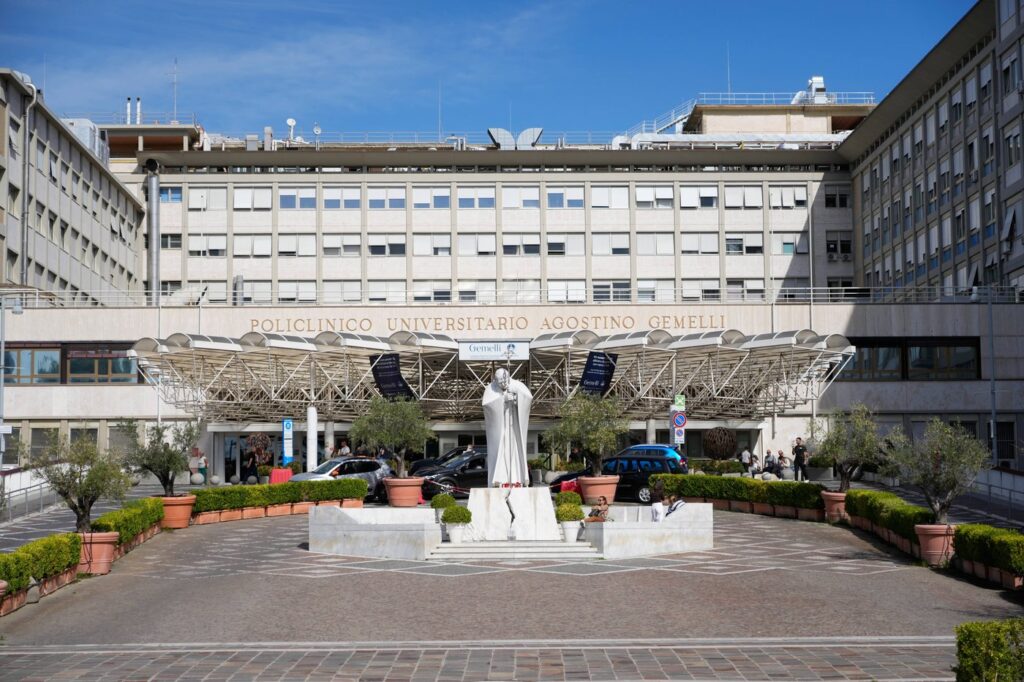
On Tuesday, the Vatican disclosed that Pope Leo underwent surgery to remove the lower right lobe of his lung. This diagnosis has prompted immediate scrutiny of Leo’s health, especially in light of his heartfelt prayers during a visit to Lourdes, a French shrine renowned for miraculous cures, in late September. Questions have arisen regarding what Leo may have known about his health prior to this trip.
Despite the grim news, some experts suggest that this diagnosis could inadvertently energize Leo's papacy. It may serve as a catalyst for expediting his agenda, which has thus far been measured and careful. Additionally, this vulnerability may foster greater unity within the Catholic Church, as Leo embodies the struggles of the "fragile" and "vulnerable," themes central to his message.
Natalia Imperatori-Lee, an associate professor of theology at Fordham University, commented on the significance of a powerful figure like the pope admitting to fragility. She noted, "There’s something really beautiful in that even the most powerful person in the church is broken. He’s been so, so eloquent on how our fragility is also a source of our strength."
Pope Leo's medical team reported that he is recovering well post-surgery and has resumed his duties from the hospital. His doctors concluded that overall, his recovery is proceeding as expected. Given his relatively young age and the prognosis associated with his type of lung cancer, there is a possibility that he could emerge more robust as a global leader.
Massimo Faggioli, a theologian at Villanova University, expressed concerns about the implications of Leo's health on the future of his papacy. He mentioned that Leo was elected largely for his potential to stabilize the Church and rectify its financial issues. The varying degrees of investment—emotional, political, and financial—that many have placed in his papacy now face uncertainty. Nonetheless, Faggioli posited that a strong survival narrative could enhance Leo’s global stature.
In an anecdote revealing the power of familial support, Leo's brother, Louis Prevost, who is battling multiple myeloma, expressed optimism about Leo's recovery. Prevost noted, “We’re hoping for the best. They caught it early enough, and he’ll be able to heal from the surgery and go on with his papal ministry.”
Leo's recent pilgrimage to Lourdes takes on new poignance given the circumstances. His visit from September 25 to 28 came during a time when he was grappling with health uncertainties, having undergone routine checks that ultimately revealed the cancerous nodule. Reports suggest that Leo may have been aware of potential health issues during his time in France, as he made a conscious choice to fulfill his commitments while scheduling surgery for his day off.
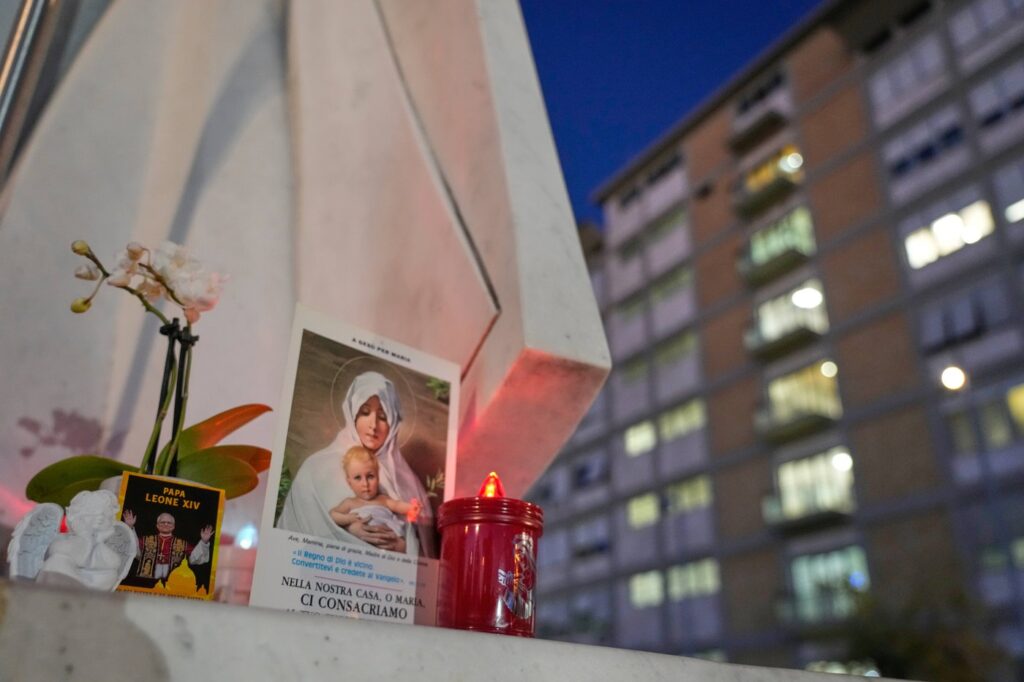
During his Lourdes visit, he participated in rituals traditionally associated with seeking cures, including drinking the holy water, lighting candles, and sharing moments with the sick and suffering. His remarks about witnessing “almost miracles” underscored his reflection on how faith can imbue life with meaning even amidst adversity.
Indeed, as Leo embraces this critical stage of his ministry, his struggle with illness might resonate deeply with the broader population, reflecting the spirit of hope and resilience. His perspective on the significance of suffering and the continuous search for deeper meaning aligns with the Church’s mission to support those in need.