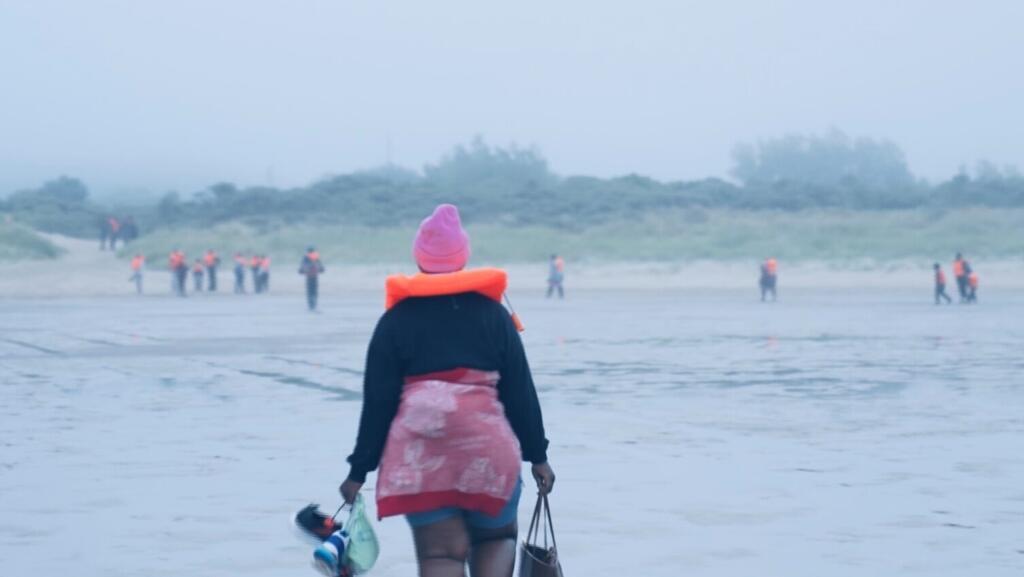
This October marks the tenth anniversary of the dismantling of the infamous Calais "Jungle" camp, a site that symbolized the challenges surrounding migration in Europe. FRANCE 24's Claire Paccalin revisits the region to assess the transformations that have taken place for migrants in the past decade. The Calais camp, which housed thousands of migrants and asylum seekers hoping to reach the United Kingdom, was a focal point of Europe's migration crisis, drawing significant media attention and political discourse.
During her exploration, Paccalin highlights the evolution of migration routes and the shifting dynamics in the treatment of migrants. Following the camp's closure in 2016, the situation for many migrants in Calais has remained precarious. Authorities have ostensibly increased efforts to manage and monitor migrant populations, yet issues such as inadequate shelter, limited access to resources, and ongoing threats of police interventions persist.
In a discussion featuring Annette Young and Dr. Marissa Quie from Cambridge University, the conversation broadens to address the wider implications of migration in Europe. Young emphasizes that migration routes have not disappeared; instead, they have become more complex and dangerous. Migrants are now frequently undertaking perilous journeys through different countries, circumventing established checkpoints and facing heightened scrutiny from border authorities.
Dr. Quie adds that these evolving migration patterns have stirred significant political debate across European nations. The rise of populist movements and nationalistic sentiments has led to increasingly stringent immigration policies. This changing landscape has implications not only for those seeking refuge but also for the political stability of several European countries. Migration is often used as a wedge issue in elections, fueling divisions and complicating humanitarian responses.
As Paccalin investigates the current state of migrant communities in Calais, she finds that many individuals are still living in makeshift conditions, yearning for safety and a future. The dismantling of the Jungle camp was intended to provide a solution to the migrant crisis; however, the aftermath has shown that without comprehensive policies addressing the root causes of migration and providing adequate support, challenges remain persistent.
Moreover, the conversation highlights the importance of understanding the human stories behind the statistics. Each migrant has a unique background, and many have faced significant trauma and loss. Policymakers must take these individual narratives into account when creating solutions that are humane and effective.
The persistent issues around migration in Calais serve as a microcosm for broader trends across Europe. As countries grapple with how to manage incoming populations, the lessons learned from the past decade can inform future approaches. It's evident that simplistic solutions will not suffice; a coordinated and compassionate response is required to address the challenges presented by migration and asylum-seeking in a comprehensive manner.
In summary, as the ten-year mark approaches for the dismantling of the Calais "Jungle" camp, the ongoing conversation around migration clearly illustrates the complex interplay of humanitarian needs and political realities. The insights from Paccalin, Young, and Dr. Quie underscore the necessity of a thoughtful dialogue on migration that focuses on both immediate needs and long-term solutions, ensuring a more equitable future for all involved.