WASHINGTON (AP) — President Donald Trump’s sudden decision to waive sanctions on Russia just days before they were set to be enforced has provoked strong backlash from members of Congress. The legislation imposing these sanctions had been overwhelmingly passed in a bipartisan vote, showcasing American support for Ukraine amidst its conflict with Russia.
Lawmakers from both the Democratic and Republican parties criticized Trump's executive order issued late Friday. This decision marks yet another instance of the Republican president’s actions that appear to draw the United States closer to Russian President Vladimir Putin. Recently, Trump announced a deal that would allow the importation of Russian diesel to alleviate rising gas prices in the U.S., which are influencing the upcoming midterm elections on November 3.
Senator Rick Scott (R-Fla.) expressed his disapproval, stating, “I think it’s clear Russia is the aggressor, and we’ve got to do everything we can to put economic pressure on Russia. So it’s not the first thing I would be doing.”
Senator Thom Tillis (R-N.C.) went further by labeling Trump’s actions as “beyond irresponsible” on social media. He emphasized the significance of the sanctions, pointing out that they were passed with a strong majority of 86-11 in the Senate. Tillis questioned what part of enforcing the law the President and his advisors did not comprehend, condemning the administration's capitulation to a “Russian dictator” who invaded Ukraine unlawfully.
Republican Senator John Cornyn from Texas remarked that the late Senator Lindsey Graham, who championed the sanctions bill, would be “appalled” by Trump’s decision. The legislative effort, named the Lindsey Graham Russian Sanctions Act, had been a significant undertaking for Graham prior to his death this summer.
Senate Democratic leader Chuck Schumer criticized Trump in a statement, suggesting that the President’s actions provided “life support” to the Russian economy. Senator Elizabeth Warren (D-Mass.) accused Trump of ignoring Congress, claiming he was enabling Putin’s continued aggression and urging her colleagues to take steps to reverse the situation.
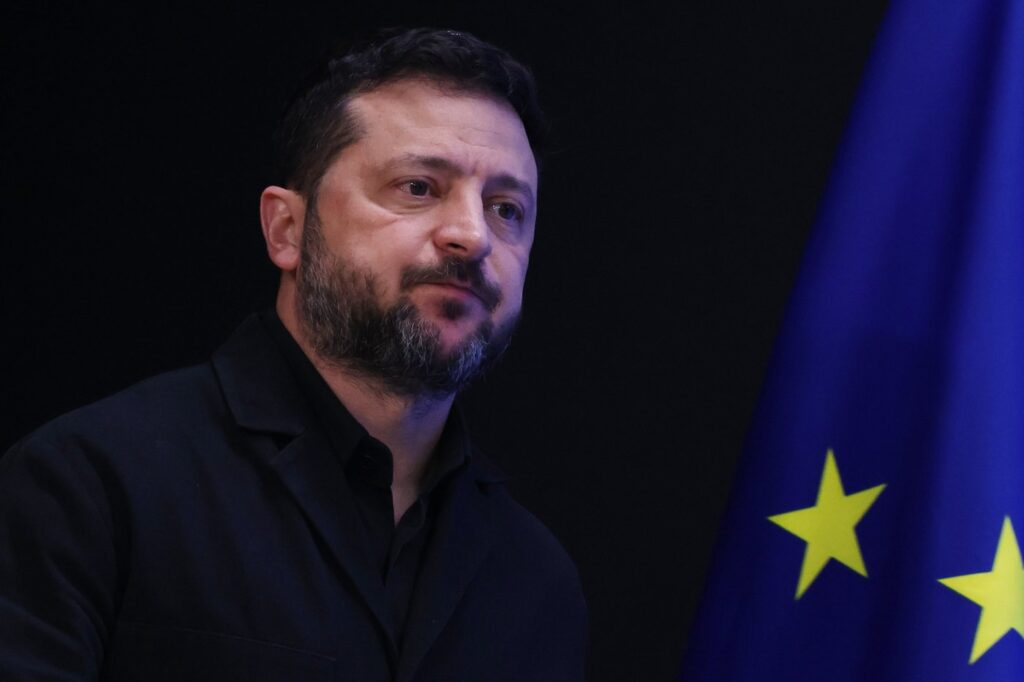
As Ukraine faces an approaching winter and ongoing assaults on its energy infrastructure, President Volodymyr Zelenskyy, despite his complicated relations with Trump, encouraged U.S. lawmakers to advocate for the reinstatement of sanctions. However, with Congress on recess until after Election Day, the path forward remains uncertain.
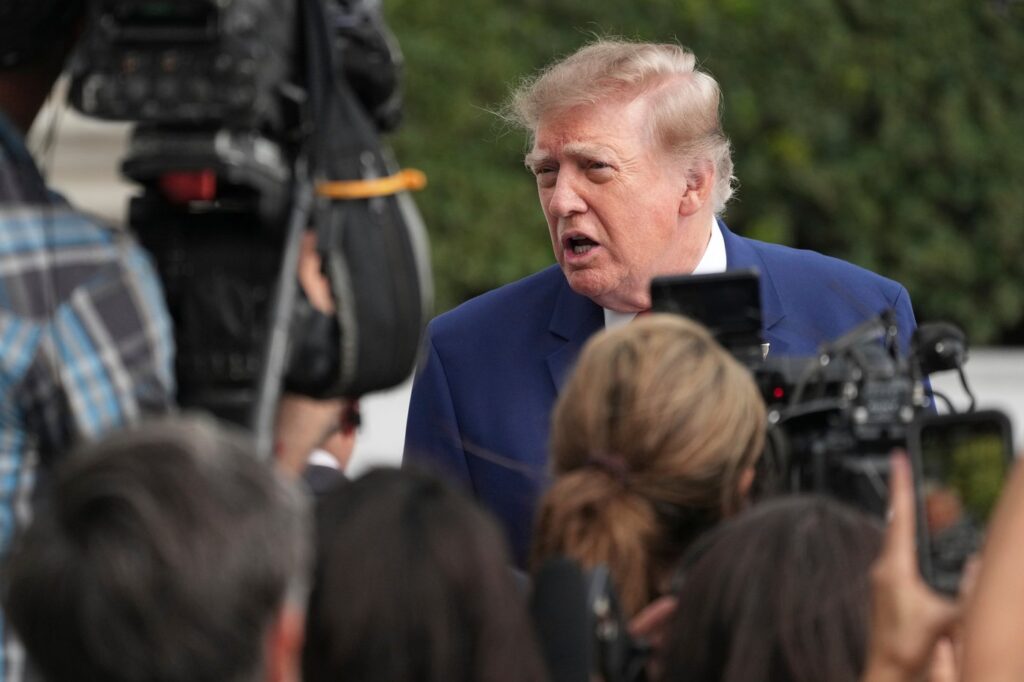
Trump himself told reporters on Saturday that a final decision regarding sanctions was not yet clear, citing U.S. national interests in his rationale. He described his decision as beneficial for both the country and global stability during a fundraising event at his estate in Florida.
Secretary of State Marco Rubio indicated that Trump might take 60 days to assess the global and U.S. economic implications of these sanctions, especially considering existing tariffs. He noted that high energy costs and the ongoing conflict with Iran necessitate careful consideration before proceeding.
Concerns have been raised by skeptics in Congress about Trump adhering to the law he signed just a month prior. It took nearly a year for Graham to persuade Trump to support the sanctions bill, which aimed to impose severe tariffs on countries heavily reliant on importing Russian oil and energy resources. This legislation was viewed as a critical measure to halt funding for Putin’s war against Ukraine.
Although Zelenskyy observed the Senate’s progress on the sanctions bill from the gallery, some members of Congress had cautioned that Trump might not follow through with the law once it was enacted. A bipartisan group of senators had previously urged the administration to expedite actions against Russia, especially concerning its “shadow fleet” of tankers facilitating oil transport to bypass U.S. sanctions, drawing attention to the timing of the upcoming regulations.
Shortly after expressing these concerns, Trump announced the diesel agreement with Putin, stating that Russia would provide significant fuel supplies to the U.S. in a context of skyrocketing gas prices, a pressing issue for voters. Lawmakers have pledged to contest this deal, highlighting the moral implications of Trump’s engagement with Putin during a critical time.
Democrat Gregory Meeks, senior member of the House Foreign Affairs Committee and vocal opponent of the sanctions bill, introduced legislation to obstruct Trump’s diesel deal, describing the transaction as “corrupt” and contrary to American values. He insisted that Congress should not remain passive and must act decisively.
Darline Graham, sister of the late Senator Lindsey Graham, played a pivotal role in advancing the sanctions legislation after taking over her brother’s Senate seat. Running against Democrat Annie Andrews in a very competitive race, she expressed agreement with Trump’s goals of reducing gas prices but emphasized the need for stronger action against Russia, reflecting her brother’s legacy and values.