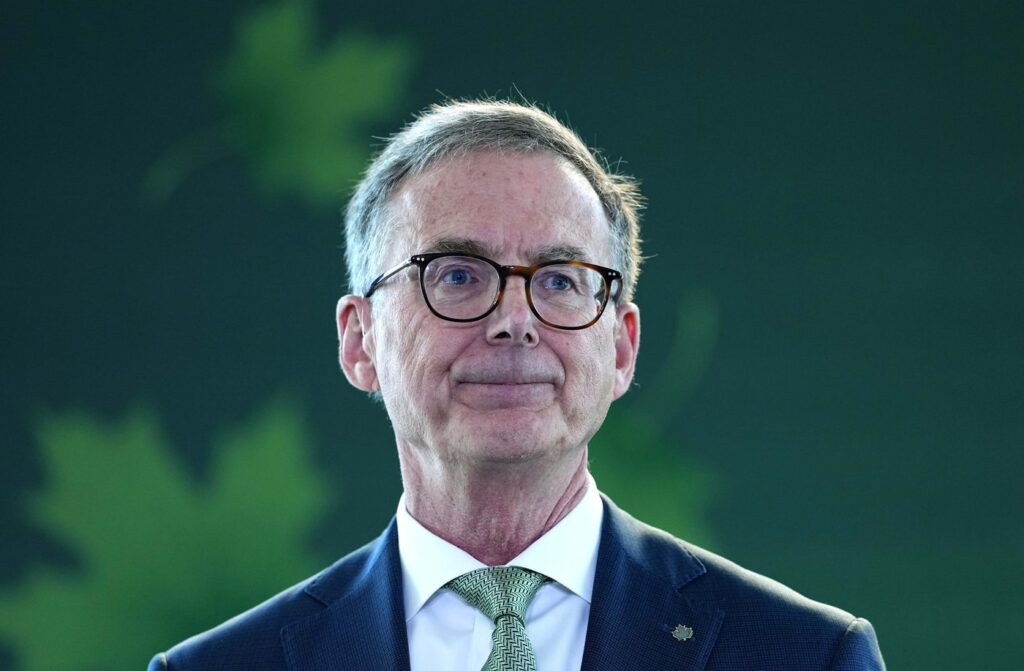
The Bank of Canada governor, Tiff Macklem, has issued a warning about the potential rise in inflation due to persistently high global energy prices. Speaking at a press conference during the International Monetary Fund meetings in Bangkok, Macklem emphasized that while there are signs of resilience in the global economy, it is increasingly being tested by ongoing international conflicts.
Macklem noted that despite various shocks, including the wars in Iran and Ukraine, as well as heightened trade disruptions, the global economy has been performing better than expected. He spoke with reporters on Saturday, sharing insights from discussions with fellow central bank governors, who echoed a similar sentiment regarding the resilience of the global economy.
However, Macklem also expressed concerns about this resilience being "under strain," particularly as ongoing conflicts in the Middle East contribute to rising energy prices. He pointed out that the release of global oil reserves, which has temporarily contained the energy price shock, is not a sustainable solution, as these reserves are being utilized more frequently.
The situation is further complicated by escalated tensions in the Middle East, including Houthi attacks on Saudi Arabia, damage to refining capacities in the Gulf region, and the potential closure of significant maritime routes like the Strait of Hormuz. These factors collectively suggest that there will be no immediate relief in global oil prices, which directly impacts the costs Canadians face for gasoline, diesel, and heating oil.
Macklem mentioned that the Bank of Canada will update its economic and inflation forecasts in conjunction with its decision regarding interest rates on October 28. The central bank aims to maintain inflation at its target of two percent; however, current inflation rates in Canada have been consistently recorded at three percent for the past two months.
Looking ahead, Macklem anticipates that the inflation outlook will be "quite a bit higher" than previous forecasts made in July, which predicted inflation would cool to around 2.5 percent during the latter half of the year. This January update will be closely scrutinized, especially with the upcoming report from Statistics Canada on September's inflation trends, set to be released on Monday.
The central bank typically raises its policy interest rate when inflation threatens to stray significantly from its target. While the Bank of Canada has previously chosen to overlook the immediate inflationary impacts of the Iran conflict, Macklem has increasingly indicated that concerns about inflation are mounting. He has suggested that the bank is prepared to respond with interest rate hikes if price pressures appear to be broadening.
Macklem posed a critical question regarding the future trajectory of inflation: whether it will return to target levels naturally or if the bank must intervene with rate increases to influence that outcome. Despite these economic challenges, including U.S. tariffs and geopolitical instability, Macklem remained somewhat optimistic about Canada's economic outlook.
He pointed out that the relative stability of the Canadian dollar against the U.S. dollar reflects not only recent weaknesses in the U.S. currency but also positive external perceptions of Canada as a stable and reliable partner. Macklem noted that confidence in Canada's economic recovery and investment trends is growing, with companies adapting to ongoing tariff uncertainties.
This perspective underscores Macklem's belief that the Canadian economy is resilient and adaptable in the face of global challenges, suggesting a careful balance between vigilance and optimism as the central bank approaches its upcoming decisions on interest rates and inflation management.