Ukrainian President Volodymyr Zelenskyy recently called on his supporters to advocate for new U.S. sanctions against Russia. This statement came shortly after President Donald Trump signed an executive order suspending sweeping sanctions aimed at Russia. This move has intensified concerns that Ukraine may be increasingly vulnerable to escalating Russian attacks as winter approaches.
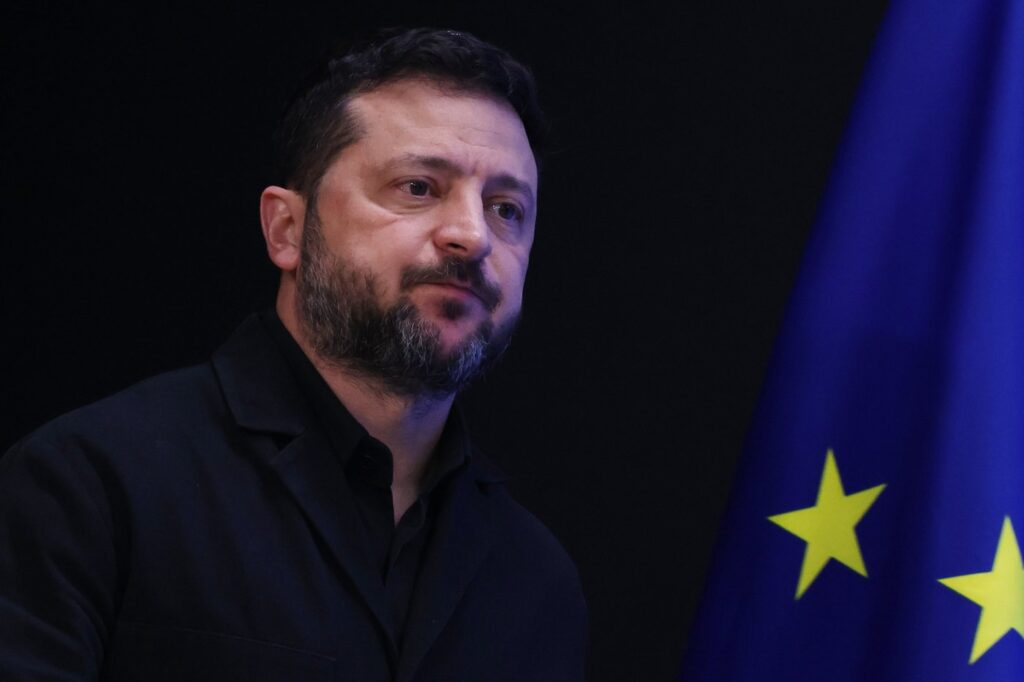
Zelenskyy described Trump’s decision as unfortunate, choosing not to directly criticize the U.S. leader despite rising tensions between Ukraine and Washington in recent days. He expressed disappointment over the disregard for the Lindsey Graham Act, legislation intended to exert significant pressure on Russia to end the ongoing war. Zelenskyy emphasized that this act could still play a crucial role in aiding Ukraine and stressed the importance of unified support for it.
In his statement, Zelenskyy thanked bipartisan supporters of the legislation, arguing that halting the sanctions would only empower Russia to continue its aggression. He expressed hope that Trump would act decisively to halt Russian attacks on Ukraine’s energy infrastructure, which have been a serious concern as the conflict persists.
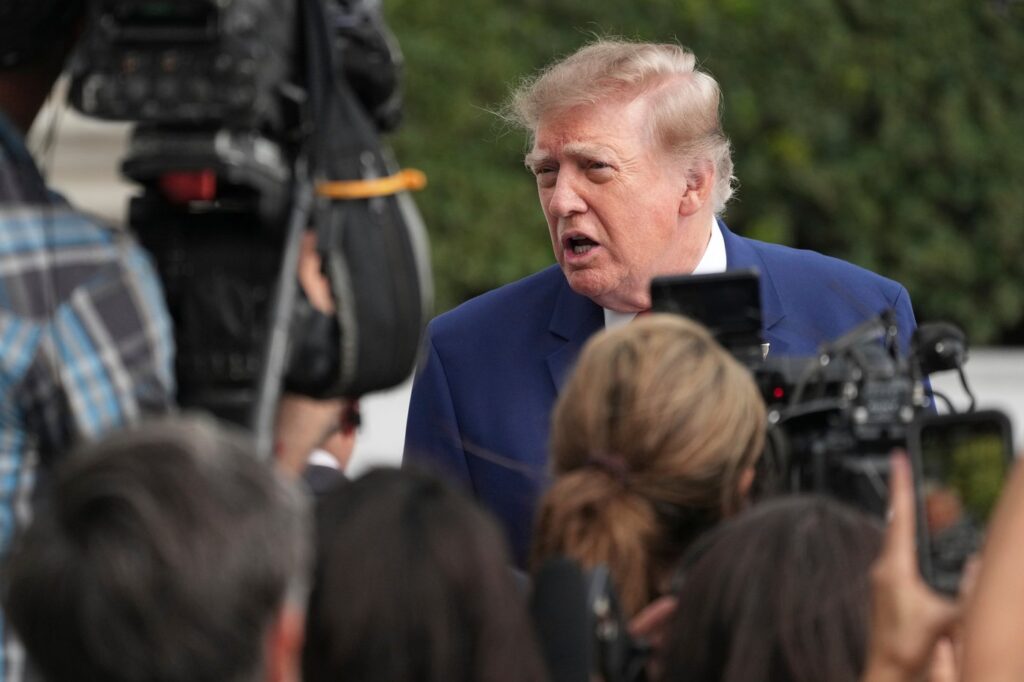
Trump, in response to reporters, questioned the finality of his decision concerning sanctions, despite signing the executive order. He claimed the move would serve U.S. national interests and potentially benefit the world. However, he refrained from providing details and did not entertain further inquiries.
In addition to the sanctions debate, Zelenskyy revealed that Ukraine's chief negotiator, Rustem Umerov, met with U.S. presidential envoy Jared Kushner, who is also Trump’s son-in-law. Zelenskyy mentioned efforts to organize a three-way meeting involving himself, Trump, and Russian President Vladimir Putin, which could take place in various locations such as the Middle East, Europe, or the United States.
After overnight attacks by Russian forces, which resulted in the deaths of at least four individuals, including an ambulance driver, Zelenskyy reiterated the urgency of the situation. Critics of Trump’s sanctions decision argue it effectively aids President Putin, countering claims of U.S. national security interests.
The Lindsey Graham Act, named after the late Senator from South Carolina, aimed to expedite the sanctioning of financial resources that sustain Russia's military offensive against Ukraine. Just a month earlier, Trump had signed the legislation into law, and his recent executive decision came just before a critical deadline established for its implementation. Trump defended his position by asserting it was in the national interest but failed to offer specifics.
Senator Richard Blumenthal, a co-author of the legislation, lambasted Trump's move as a betrayal to American citizens and allies, suggesting it lacked any connection to national security while merely flattering Putin. This unexpected suspension of sanctions followed Trump's previous agreement to purchase diesel from Russia, aimed at alleviating global energy prices—a move seen as detrimental to Ukraine.
Further complications arose for Ukraine regarding the Starlink satellite internet service. Zelenskyy stated an investigation was underway concerning the abrupt speed restrictions imposed on Ukraine's military-use version of the service, known as Starshield. This limitation affected drone operations, forcing them to fly slower and making them more vulnerable to Russian attacks.
Zelenskyy noted that there were no such restrictions in European Union countries, indicating that these measures appeared targeted against Ukraine. This issue drew attention to the U.S. government's ownership of the Starshield system, with Elon Musk asserting that the ultimate authority on its use lies with the U.S. military and president.
Highlighting the urgency of the situation, Zelenskyy reported a massive strike against Ukraine’s energy infrastructure, impacting more than 15 sites across the nation. He indicated that this assault on the energy sector has escalated, especially as winter approaches, aimed at undermining civilian morale by depriving them of essential services.
While Russian attacks resulted in civilian casualties, including multiple deaths in Sloviansk and Kherson, Ukraine’s air force managed to intercept several incoming missiles and drones. The ongoing conflict has seen a pattern of attacks aimed at crippling Ukraine's energy supplies, a strategy employed by Russia to weaken the country’s resolve.
In a separate incident, Romania's defense ministry reported the downing of two drones within its territorial waters, linked to a series of drone incursions attributed to Russia. This reflects the ongoing tension in the region as NATO members remain vigilant amid threats posed by Russian military actions.