TOLEDO, Spain (AP) — Families were in a state of desperation as they searched for missing loved ones more than 24 hours after two high-speed trains collided in central Spain, resulting in at least 69 fatalities and injuring dozens more. The tragic incident raised urgent concerns about the safety and reliability of the high-speed rail network.
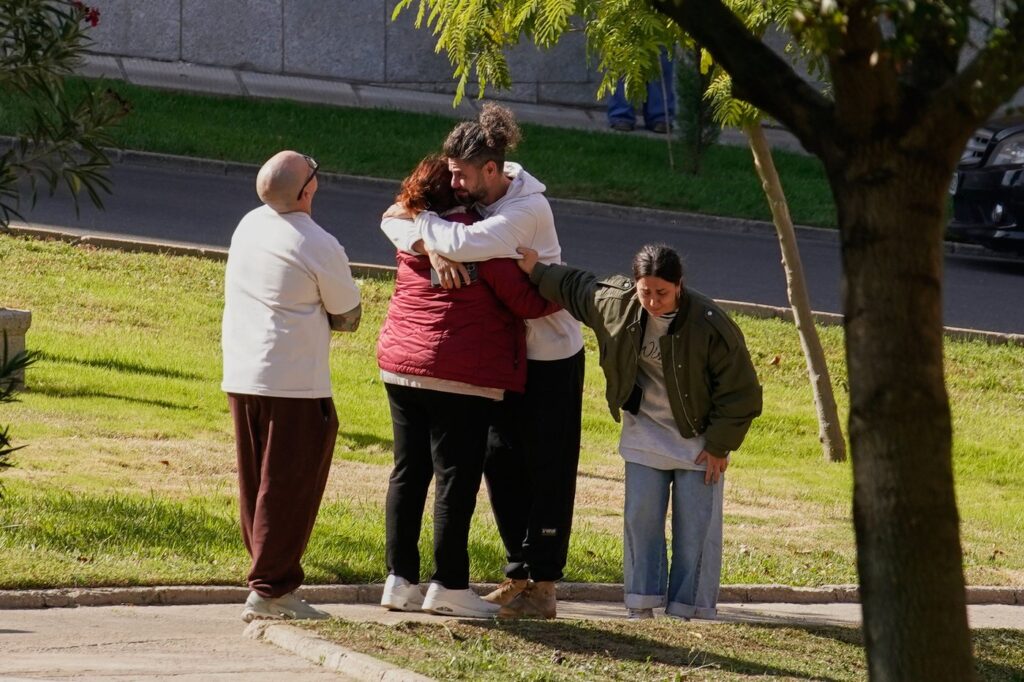
César Vicente, an actor who had traveled 495 kilometers (307 miles) from Seville to Toledo in his quest to find his father, expressed his anguish: "I have my father, and I don’t know where he is. I hope to find him, oh my Lord." Vicente, along with his mother and aunt, stayed overnight at a religious center that had been converted into a base for those affected by the disaster. They were among many families braving the cold to seek answers about their loved ones, including Vicente's father, who was sitting in seat 13A on the RENFE train that collided with another Iryo-operated train that had stopped on the tracks.
Social media became a platform for desperate appeals from relatives and friends seeking information about their loved ones. With a flood of posts, individuals shared photos and described the clothing their family members were wearing when they boarded the trains heading for Seville. One such post came from Alejandra Marroquín, whose sister Adriana was traveling in car 8 of the RENFE train wearing dark blue clothes. Marroquín declared, "We’re still praying, we don’t know anything," while search teams with sniffer dogs continued their efforts.
This collision marked the second significant high-speed rail disaster in Spain this year, with a previous tragedy in January claiming 46 lives when a train derailed and struck another train traveling in the opposite direction in southern Spain. Such events have prompted broader societal reflections on public safety. Spain’s King Felipe VI remarked, “As a society, we have once again suffered a devastating blow. But we must keep moving forward, even amid this pain, without ever forgetting the wound they have left us.” King Felipe and Queen Letizia visited injured passengers at Toledo University Hospital, offering their support.
Spain's high-speed rail network, lauded as one of the country’s crowning achievements, is the world's second-largest—trailing only China’s network. Until this year, the system had not seen a deadly crash since it began operations over three decades ago. Spanish Prime Minister Pedro Sánchez emphasized the government's commitment to supporting victims' families, uncovering the details of the tragedy, and enhancing rail security measures to prevent future occurrences.
The aftermath of the crash brought about an outpouring of solidarity from local communities. Life in Urda, a small town with around 2,500 residents, was dramatically affected as locals rushed to assist victims. They aided the injured and prepared food for the uninjured passengers, even transporting them from the tracks to a nearby sports pavilion in their vehicles. David Gómez, a construction worker, described the scene, stating, "People were trying to get out through the windows… We cut through some fences to access the area and treated people with the first-aid kits we had brought until emergency services arrived."
With over 180 individuals reported injured, including 110 hospitalized, a call for blood donations was put out by authorities. The community's response was immediate; more than 2,000 volunteers came forward in Castilla-La Mancha, the region where the collision occurred. Regional President Emiliano García-Page expressed his deep gratitude to all who stepped forward, highlighting the record number of donations and commending the 1,300 emergency service personnel mobilized in response to the disaster.
As the search efforts continued, the ripple effects of the tragedy were felt not only among the families affected but across Spain, raising questions about rail safety and preparedness.